
The Evolution of Polarizing Optics in the Era of Smart Devices
Release Time:
2026-06-14
outline: The Evolution of Polarizing Optics in the Era of Smart Devices In recent years, the rapid evolution of technology has transformed our daily lives in unimaginable ways. Among these advancements, polarizing optics have made significant strides, particularly in the realm of smart devices. This article provides an in-depth exploration of how polarizing optics have evolved, their applications in modern
The Evolution of Polarizing Optics in the Era of Smart Devices
In recent years, the rapid evolution of technology has transformed our daily lives in unimaginable ways. Among these advancements, polarizing optics have made significant strides, particularly in the realm of smart devices. This article provides an in-depth exploration of how polarizing optics have evolved, their applications in modern smart technology, and what the future holds.
Understanding Polarizing Optics
Polarizing optics refers to the manipulation of light waves to reduce glare, enhance contrast, and improve visual clarity. This phenomenon occurs when certain materials filter light, allowing only waves of a specific orientation to pass through. The principles behind polarizing optics are crucial in various applications, from photography to display technologies.
The Science Behind Polarization
At its core, polarization involves the orientation of light waves. Natural light consists of waves vibrating in all directions; however, when light reflects off surfaces or passes through certain materials, it can become polarized. Polarizers are optical devices that selectively transmit light waves based on their direction, significantly improving visibility and reducing unwanted reflections.
The Role of Polarizers in Smart Devices
Smart devices, ranging from smartphones to augmented reality (AR) goggles, utilize polarizing optics to enhance user experience. By integrating polarizers into displays, manufacturers can minimize glare, improve color saturation, and provide sharper images. This enhancement is particularly beneficial in outdoor environments where sunlight can wash out screen visibility.
Historical Context: The Development of Polarizing Optics
The journey of polarizing optics began in the early 19th century with the discovery of natural polarization by scientists like Étienne-Louis Malus. Over the decades, advancements in materials science and optical engineering have led to the development of synthetic polarizers, such as Polaroid film, which revolutionized photography and display technologies.
Key Milestones in Polarizing Optics Evolution
- **1820s:** Discovery of natural polarizers by Malus.
- **1930s:** Development of synthetic polarizers, making polarizing materials more accessible.
- **1950s:** Introduction of polarizing films into consumer products, such as sunglasses and camera filters.
- **2000s:** Integration of polarizing technologies in LCD displays, improving visual quality in smartphones and televisions.
Applications of Polarizing Optics in Smart Devices
Polarizing optics have become integral to various smart devices, enhancing functionality and user experience. Below are some key applications:
1. Smartphones and Tablets
Modern smartphones and tablets utilize polarizing filters in their LCD and OLED displays. By reducing glare and improving contrast, these devices deliver more vibrant colors and better visibility in bright conditions, significantly enhancing user interaction.
2. Wearable Devices
Smart glasses and AR headsets rely heavily on polarizing optics to provide clear and immersive visual experiences. These devices often incorporate polarizers to manage reflections and glare, allowing users to interact seamlessly with digital overlays in real-world environments.
3. Virtual Reality (VR) Systems
In VR environments, polarizing optics play a crucial role in delivering realistic visuals. By mitigating glare and enhancing depth perception, users can enjoy more immersive experiences, which is essential for gaming and training simulations.
4. Photography Equipment
Photographers have long utilized polarizing filters to reduce reflections and enhance the saturation of colors in their images. In digital cameras, built-in polarizing optics improve image quality and clarity, providing photographers with tools to capture stunning visuals.
Technological Advancements in Polarizing Optics
As smart devices continue to evolve, so too does the technology behind polarizing optics. Recent advancements have focused on enhancing the efficiency and effectiveness of these materials.
Smart Polarizers
One of the most significant advancements has been the development of smart polarizers, which can dynamically adjust their polarization properties based on environmental conditions. This innovation allows for improved adaptability in varying lighting scenarios, further enhancing user experience.
Nanotechnology in Polarizing Optics
Nanotechnology has opened new avenues for polarizing optics, enabling the creation of thinner, lighter, and more efficient polarizers. These advancements not only improve performance but also contribute to the overall compactness of smart devices.
The Future of Polarizing Optics in Smart Devices
Looking ahead, the future of polarizing optics in smart devices appears promising. As technology continues to advance, we can anticipate the following trends:
1. Enhanced User Interaction
Future smart devices will likely feature even more sophisticated polarizing optics, leading to enhanced user interfaces and interactions. This advancement will allow for clearer visuals and improved functionality in a variety of lighting conditions.
2. Integration with Artificial Intelligence
As artificial intelligence (AI) becomes more prevalent in smart technology, its integration with polarizing optics could lead to more intuitive display systems. AI algorithms may adapt polarizing properties in real-time, optimizing visual clarity based on user behavior and environmental factors.
3. Expanded Applications
Beyond consumer electronics, polarizing optics are expected to find applications in areas such as automotive displays, medical imaging, and even aerospace technology. The versatility of these materials will likely drive innovation across multiple fields, enhancing functionality and safety.
Frequently Asked Questions (FAQs)
1. What are polarizing optics?
Polarizing optics are optical devices that manipulate light waves to reduce glare and enhance visual clarity. They are commonly used in various applications, including displays, photography, and smart devices.
2. How do polarizers work?
Polarizers filter light waves based on their orientation. They allow only waves vibrating in a specific direction to pass through, reducing unwanted reflections and improving image quality.
3. What are the benefits of using polarizing optics in smart devices?
Using polarizing optics in smart devices enhances visibility, reduces glare, improves color saturation, and provides sharper images, resulting in a better user experience.
4. Are there any recent advancements in polarizing optics technology?
Yes, recent advancements include the development of smart polarizers that dynamically adjust their properties and the use of nanotechnology to create thinner and more efficient polarizers.
5. What is the future potential of polarizing optics?
The future of polarizing optics includes enhanced user interactions through AI integration, expanded applications in various industries, and ongoing technological innovations that improve performance and efficiency.
Conclusion
The evolution of polarizing optics has significantly impacted the development of smart devices, enhancing visual experiences and functionality. As technology continues to advance, polarizing optics will play a critical role in shaping the future of consumer electronics and beyond. With ongoing innovations, we can anticipate a future where polarizing optics will become even more integral to our daily lives, driving advancements in various fields and industries.
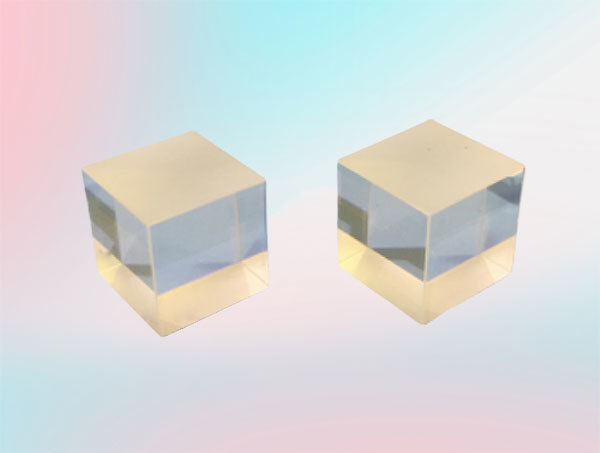
Understanding Polarizing Optics: A Comprehensive Guide for Professionals in Optoelectronic Devices
outline: Polarizing optics is a fascinating area of study that plays a pivotal role in various applications within the field of optoelectronic devices. At its core, polarizing optics involves the manipulation of light waves, allowing for improved control over how light interacts with materials and surfaces. By understanding the principles of polarization, professionals can enhance the performance and effic
2026-07-29
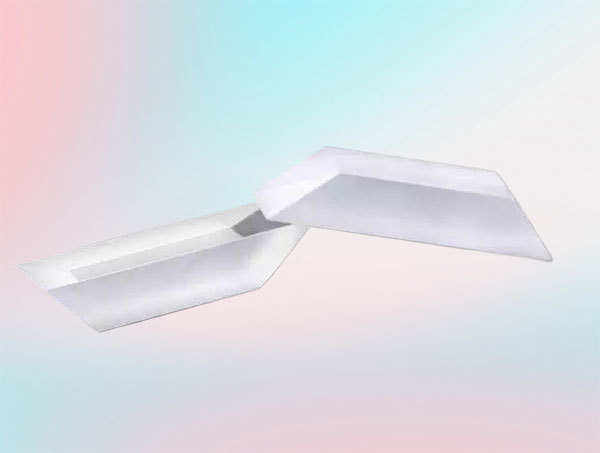
The Effect of Temperature on Optical Prism Performance: A Comprehensive Analysis
outline: The Effect of Temperature on Optical Prism Performance Introduction to Optical Prisms Optical prisms are essential components in various optical systems, including cameras, telescopes, and laser devices. They manipulate light through refraction, reflection, and dispersion. Understanding how temperature affects their performance is crucial for applications requiring precision in optical enginee
2026-07-26

Understanding Crystal Polarizers: Essential Components in Optoelectronic Devices
outline: Crystal polarizers are pivotal components in the field of optoelectronics, renowned for their ability to manipulate light waves. These devices exploit the unique properties of certain crystalline materials to selectively transmit light waves in a specific orientation while blocking others. By doing so, crystal polarizers enhance visual clarity and reduce unwanted reflections, making them indispens
2026-07-23
