
Top 5 Industries Benefiting from Polarized Optical Components
Release Time:
2026-08-19
outline: Top 5 Industries Benefiting from Polarized Optical Components Polished, precise, and powerful, **polarized optical components** have become essential in multiple sectors, driving innovation and enhancing performance. These components selectively filter light waves, providing clarity and improving visual experiences in various applications. In this article, we explore the top five industries reapin
Top 5 Industries Benefiting from Polarized Optical Components
Polished, precise, and powerful, **polarized optical components** have become essential in multiple sectors, driving innovation and enhancing performance. These components selectively filter light waves, providing clarity and improving visual experiences in various applications. In this article, we explore the top five industries reaping the benefits of polarized optical components, delving deep into their significance and future potential.
Table of Contents
- 1. Introduction to Polarized Optical Components
- 2. Consumer Electronics: The Rise of Visual Clarity
- 3. Healthcare: Advancements in Diagnostic Imaging
- 4. Telecommunications: Enhancing Signal Integrity
- 5. Automotive: Safety and Driver Assistance Systems
- 6. Aerospace: Precision in Navigation and Surveillance
- 7. Future Trends in Polarized Optical Components
- 8. Conclusion
- 9. FAQs
1. Introduction to Polarized Optical Components
**Polarized optical components**, such as filters and lenses, interact with light in ways that enhance visibility and reduce glare. By controlling the orientation of light waves, these components improve the quality of images and signals. The growing demand for high-performance optical systems has led to innovations in design and material science, making polarized optical components more accessible and effective.
2. Consumer Electronics: The Rise of Visual Clarity
In the realm of **consumer electronics**, polarized optical components have revolutionized how users interact with displays. Technologies such as **LCD (Liquid Crystal Display)** and **LED (Light Emitting Diode)** screens utilize polarized light to enhance contrast and reduce reflections. This leads to a more immersive viewing experience, whether on smartphones, tablets, or televisions.
Enhancing Display Quality
The use of polarized filters helps to minimize glare from ambient light, making screens easier to read in bright environments. Manufacturers now focus on developing **polarized sunglasses** and screens that provide superior color accuracy and depth, allowing users to enjoy their devices without straining their eyes.
Impact on Gaming and Virtual Reality
In the gaming industry, polarized optical components play a crucial role in virtual reality systems. By offering enhanced depth perception and reduced visual fatigue, these components contribute to a more engaging and realistic gaming experience. As the industry evolves, we can expect further advancements in polarized technologies to enhance user experiences even more.
3. Healthcare: Advancements in Diagnostic Imaging
The **healthcare sector** has significantly benefited from polarized optical components, particularly in diagnostic imaging. Technologies like **polarized light microscopy** and **optical coherence tomography** have improved the accuracy of medical diagnoses.
Polarized Light Microscopy
This technique allows for the examination of biological samples with heightened contrast and clarity. By using polarized light, medical professionals can better identify cellular structures and abnormalities, leading to more accurate diagnoses and improved patient outcomes.
Optical Coherence Tomography (OCT)
OCT is a non-invasive imaging technique that provides high-resolution cross-sectional images of biological tissues. Polarized optical components enhance the quality of these images, allowing for better visualization of structures such as the retina. This advancement is crucial in diagnosing and monitoring conditions like glaucoma and age-related macular degeneration.
4. Telecommunications: Enhancing Signal Integrity
In **telecommunications**, polarized optical components are essential for improving signal integrity in fiber optic communication systems. By minimizing signal degradation and enhancing transmission efficiency, these components play a vital role in the ever-expanding digital landscape.
Polarization Multiplexing
**Polarization multiplexing** is a technique that allows for the simultaneous transmission of multiple signals over the same fiber. By utilizing different polarization states, telecommunications providers can increase bandwidth without sacrificing signal quality. This innovation is particularly valuable as demand for high-speed internet continues to grow.
Reducing Interference
Polarized optical components also help reduce interference from external light sources, ensuring cleaner and more reliable data transmission. As the telecommunications industry strives to meet the needs of an increasingly connected world, the importance of these components cannot be overstated.
5. Automotive: Safety and Driver Assistance Systems
The **automotive industry** is undergoing a transformation with the introduction of advanced driver assistance systems (ADAS). Polarized optical components are integral to improving safety and functionality in modern vehicles.
Enhanced Visibility in Adverse Conditions
Polarized lenses can significantly reduce glare from the sun and headlights, improving visibility for drivers. This is particularly important in conditions such as rain or fog, where visibility is compromised. As automotive technology continues to advance, the integration of polarized optical components will enhance safety features and driver comfort.
LiDAR and Autonomous Vehicles
For autonomous vehicles, polarized optical components are essential in LiDAR (Light Detection and Ranging) systems, which rely on laser light to create detailed 3D maps of the environment. By utilizing polarized light, these systems can enhance object detection and improve navigation accuracy, paving the way for safer autonomous driving.
6. Aerospace: Precision in Navigation and Surveillance
In the **aerospace industry**, polarized optical components contribute to precision in navigation and surveillance systems. These components enhance imaging systems used in aircraft and drones, ensuring accurate information for flight operations.
Improving Imaging Systems
Advanced imaging systems that utilize polarized light can reduce atmospheric distortion, improving the clarity of images taken from high altitudes. This is crucial for applications such as surveillance and reconnaissance, where detail is paramount.
Enhanced Sensors for Navigation
Polarized optical components are also used in sensors that aid in navigation. By improving the accuracy of readings taken by instruments, these components ensure safer operations in both commercial and military aviation settings.
7. Future Trends in Polarized Optical Components
As industries continue to evolve, so too will the applications of polarized optical components. Emerging trends indicate a growing focus on sustainability, miniaturization, and integration with virtual and augmented reality technologies.
Sustainability in Production
Future developments may emphasize eco-friendly materials and manufacturing processes, aligning with global sustainability goals. This shift not only addresses environmental concerns but also enhances the reputation of industries adopting these practices.
Integration with Next-Generation Technologies
The integration of polarized optical components with next-generation technologies, such as artificial intelligence and machine learning, could lead to unprecedented advancements. As these technologies continue to develop, the potential for even more innovative uses of polarized optics will emerge.
8. Conclusion
Polarized optical components are rapidly becoming indispensable across various industries, from consumer electronics to aerospace. Their ability to enhance visibility, improve signal integrity, and contribute to safety demonstrates their value in today’s technology-driven world. As we look to the future, the continued innovation in this field will undoubtedly yield exciting advancements, further cementing the role of polarized optical components in shaping modern technology.
9. FAQs
What are polarized optical components?
Polarized optical components are devices that filter or manipulate light waves to enhance visibility and reduce glare. Common examples include polarized filters, lenses, and mirrors.
How do polarized optical components benefit consumer electronics?
They enhance display quality by reducing glare, improving contrast, and providing a better visual experience, especially in bright environments.
What role do polarized optical components play in healthcare?
In healthcare, they improve diagnostic imaging techniques, allowing for better visualization of biological samples and enhancing the accuracy of medical diagnoses.
How are polarized optical components used in telecommunications?
They enhance signal integrity in fiber optic communication systems, enabling higher bandwidth and reducing interference from external light sources.
What future trends are expected in polarized optical components?
Future trends include a focus on sustainability, miniaturization, and integration with emerging technologies such as AI and virtual reality.
By delving into the applications and advantages of polarized optical components, we can better appreciate their significance across various sectors and anticipate future developments that will continue to shape technology.

Birefringent Crystals in Action: Real-World Applications and Benefits
outline: Birefringent Crystals in Action: Real-World Applications and Benefits Table of Contents 1. Understanding Birefringent Crystals 2. The Science Behind Birefringence 3. Key Types of Birefringent Crystals 4. Applications of Birefringent Crystals in Optics 5. Birefringent Crystals in Telecommunications 6. Birefringence in Imaging Technologies 7. Future Trends and Innovations in Birefringent Crystals 8.
2026-11-15
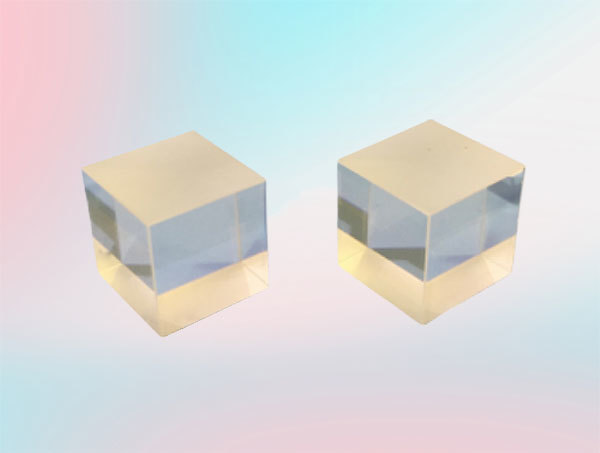
The Essential Guide to Polarizing Optics in Photonics
outline: Polarizing optics is a vital aspect of optical technology, influencing various applications in the electronics and photonics industries. At its core, polarizing optics involves the manipulation of light waves, specifically their polarization states. When light is generated, it can oscillate in various directions; polarizing optics allow for the control of these oscillations, leading to clearer ima
2026-11-12

How Optical Prisms Are Revolutionizing Educational Tools
outline: How Optical Prisms Are Revolutionizing Educational Tools Table of Contents Introduction to Optical Prisms and Education Understanding Optical Prisms: A Brief Overview Applications of Optical Prisms in Educational Tools Enhancing Science Education Applications in Mathematics and Geometry Fostering Creativity in Art and Visual Learning
2026-11-09
