
What is the impact of optical development trends on related industries?
Release Time:
2025-05-15
outline: Impact on the optical equipment manufacturing industry: With the continuous emergence of new optical technologies, the demand for high-precision optical instruments is increasing. For example, the manufacturing of new optical fibers requires advanced drawing equipment, and the development of new optical imaging technologies requires high-precision microscopes and other optical instruments. This will prompt optical equipment manufacturers to continuously invest in research and development, improving their technical level and production capacity to meet market demand.
The development trends in optics have had a multifaceted impact on related industries, specifically as follows:
Impact on the optical equipment manufacturing industry: As new optical technologies continue to emerge, the demand for high-precision optical instruments increases. For example, the manufacturing of new optical fibers requires advanced drawing equipment, and the research and development of new optical imaging technologies require high-precision microscopes and other optical instruments. This will drive optical equipment manufacturing enterprises to continuously invest in R&D, improve their technical level and production capacity to meet market demand.
Impact on the software industry: In fields such as optical imaging and optical design, a large amount of specialized software is needed for data processing, simulation analysis, and other tasks. With the development of optical technology, the functional and performance requirements for these software will also continuously improve. Software companies need to constantly optimize algorithms, improve software computing speed and accuracy to adapt to the development needs of the optics field.
Impact on the automotive industry: Optical sensors play a crucial role in vehicle perception systems. The development of new optical technologies provides possibilities for improving the performance of automotive optical sensors, thereby enhancing vehicle safety and intelligence. For example, with the rise of the intelligent driving market and the improvement of autonomous driving levels, the average number of cameras installed in cars continues to increase. This is expected to not only drive both the volume and price increase in the automotive lens industry but also lead the optical glass and component industry towards high-end development.
Impact on the aerospace field: Optical technology plays an important role in satellite communication, remote sensing detection, and other aspects. New advancements in the optical field will help improve the quality of satellite communication and the accuracy of remote sensing detection, providing strong support for the development of the aerospace industry. For instance, adaptive optics systems can enhance the optical performance of satellites and probes, used to improve the resolution of Earth images captured by satellites, and can also be used in detection missions for other planets and celestial bodies.
Impact on the biomedical field: New optical imaging technologies can break through the resolution limitations of traditional imaging technologies, allowing scientists to use super-resolution optical imaging technology to observe the internal structures and molecular activities of cells more clearly, thereby gaining a deeper understanding of the mysteries of life and promoting the development of biomedical research. In addition, laser technology is increasingly widely used in medical surgeries, such as laser vision correction technology in ophthalmic surgery. Higher power and more precise laser technology helps improve the success rate and safety of surgeries.
Impact on the consumer electronics field: As people's demands for the visual experience of electronic products increase, the development of optical technology brings higher performance to optical components such as cameras and displays. For example, the trend of multi-camera and high-pixel smartphones drives lens demand growth. At the same time, in wearable devices, AR/VR devices have increased demand for wide-angle, low-distortion lenses. This will drive consumer electronics companies to continuously innovate and launch more competitive products.
Impact on the communication industry: Optical communication, with its advantages of high bandwidth and low loss, has become an important direction for future communication development. Advances in optical technology, such as the development of new optical fibers and the improvement of optical transmission rates, will further enhance the transmission efficiency and stability of optical communication, promoting the construction of global high-speed communication networks and the development of the communication industry.
Impact on the security monitoring field: The advancement of "Safe City" and "Smart City" projects and related government requirements have created a favorable policy environment for the development of domestic security. The global security video surveillance market continues to expand, driving the demand for optical components. In line with the trend of intelligence and digitalization, the security monitoring market has diversified requirements for lenses in terms of zoom, high definition, intelligent recognition, and high-speed real-time transmission, thereby promoting the improvement of optical glass material quality and optical performance.
Impact on the industrial inspection field: Demand for ultra-precision inspection lenses has increased in fields such as semiconductors and new energy. Optical sensing technology is also becoming more widely used in industrial monitoring and quality control. The development of optical technology helps improve the accuracy and efficiency of industrial inspection, ensure product quality, and promote the intelligent and automated development of industrial production.
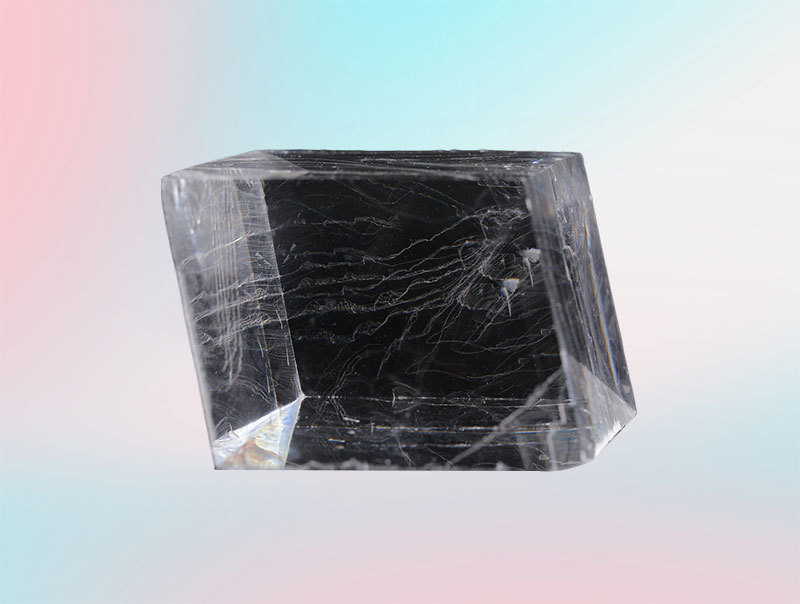
Understanding Birefringent Crystals: Their Role in Optoelectronic Devices
outline: Birefringent crystals are materials that exhibit different refractive indices based on the polarization and propagation direction of light passing through them. This phenomenon, known as birefringence, arises from the crystal's anisotropic structure, where the arrangement of atoms is not uniform in all directions. Common examples of birefringent crystals include calcite, quartz, and certain types
2026-03-19
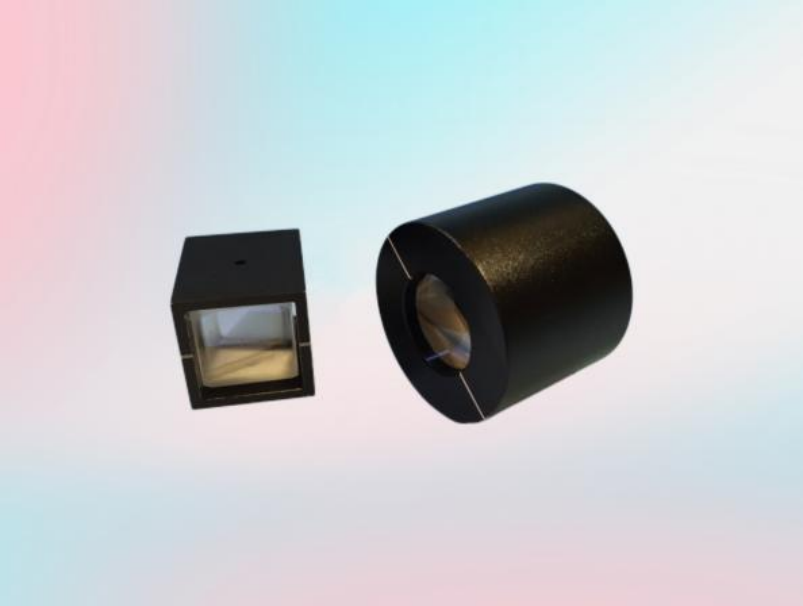
The Impact of Crystal Polarizers on Light Control in Optoelectronic Devices
outline: The Impact of Crystal Polarizers on Light Control in Optoelectronic Devices Introduction to Crystal Polarizers Crystal polarizers are essential components in the realm of optoelectronic devices. They manipulate light in profound ways, enabling precise control over various optical phenomena. This article will explore the significance of crystal polarizers, elucidate their working principles, and hi
2026-03-16
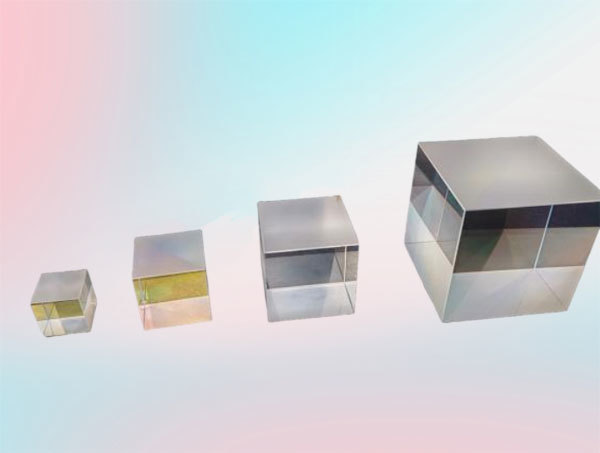
Understanding Polarized Optical Components: Enhancing Optical Performance in Electronic Devices
outline: Polarized optical components are essential elements in the realm of optics, particularly within the electronics industry. They play a vital role in improving the performance of optical systems by controlling light behavior. The basic principle behind polarization involves the orientation of light waves. Light, which travels in a wave-like manner, can oscillate in multiple directions. However, pola
2026-03-14