
Understanding Crystal Polarizers: Key Insights for the Optoelectronics Industry
Release Time:
2026-01-22
outline: Crystal polarizers play a critical role in the optoelectronics industry, providing essential functionalities in various electronic devices. By understanding the intricacies of crystal polarizers, professionals can make informed decisions that optimize performance and enhance product quality. At their core, crystal polarizers are optical devices that filter light waves, allowing only specific orie
At their core, crystal polarizers are optical devices that filter light waves, allowing only specific orientations to pass through while blocking others. This characteristic is leveraged in numerous applications, including liquid crystal displays (LCDs), optical sensors, and advanced imaging systems. The polarization of light is essential for improving contrast and image clarity, making crystal polarizers indispensable in modern electronic devices.
One of the primary benefits of crystal polarizers is their ability to enhance the performance of LCDs. In these displays, crystal polarizers are used to control the light transmission through liquid crystal materials, resulting in improved image quality and reduced glare. This is particularly significant in applications where visual clarity is paramount, such as in smartphones, televisions, and computer monitors. As the demand for high-resolution displays continues to grow, understanding the role of crystal polarizers becomes increasingly important.
In addition to display technologies, crystal polarizers are utilized in optical sensors, which are key components in various electronic systems. These sensors rely on the polarization of light to detect changes in environmental conditions, enabling applications such as automotive safety systems, industrial automation, and smart home technologies. By incorporating crystal polarizers, these sensors can achieve higher accuracy and reliability, which is crucial for maintaining safety standards and improving user experience.
Another noteworthy application of crystal polarizers is in imaging systems, including cameras and microscopes. In these systems, crystal polarizers help to reduce unwanted reflections and enhance contrast, allowing for clearer and more detailed images. This capability is particularly beneficial in scientific research, medical imaging, and even in consumer photography, where high-quality images are essential.
As the optoelectronics industry continues to evolve, innovations in crystal polarizer technology are likely to emerge. Professionals in this field should stay informed about advancements that could improve efficiency and performance. Understanding the properties and applications of crystal polarizers can provide a competitive edge, enabling industry stakeholders to develop better products and solutions that meet the growing demands of consumers.
In conclusion, crystal polarizers are vital components in the optoelectronics landscape. By leveraging their unique properties, professionals can enhance the functionality and performance of electronic devices across various applications. Keeping abreast of developments in this area can lead to significant advancements in product design and technology integration, paving the way for a brighter future in the optoelectronics industry.

The Intricacies and Applications of Polarized Optical Components in Photonics
outline: Polarized optical components play a pivotal role in the field of photonics, enabling the control and manipulation of light in various applications. These components are designed to filter, reflect, and transmit light waves based on their polarization state, enhancing the performance of optical systems. The primary function of polarized optical components is to separate light waves into distinct po
2026-02-02

Polarizing Optics Drive New Advances in Precision Imaging and Photonics
outline: Polarizing optics control light polarization to reduce glare, enhance contrast, and enable precise analysis in optical and photonic systems
2026-02-02
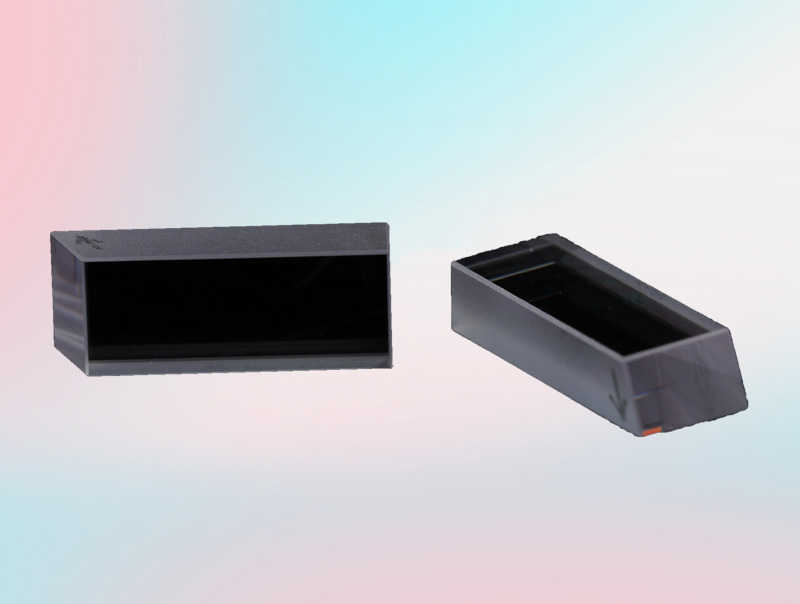
How Birefringent Crystals Impact the Performance of Light-Based Technologies
outline: How Birefringent Crystals Impact the Performance of Light-Based Technologies Introduction to Birefringent Crystals Birefringent crystals, defined by their unique optical properties, exhibit a phenomenon wherein light is refracted into two distinct rays when passing through them. This property arises from the anisotropic nature of the crystal structure, which leads to different light velocities
2026-01-31