
From Basics to Advanced: Mastering the Use of Crystal Polarizers
Release Time:
2026-02-24
outline: From Basics to Advanced: Mastering the Use of Crystal Polarizers Table of Contents Introduction to Crystal Polarizers Understanding Polarization in Light Types of Crystal Polarizers How Crystal Polarizers Work Applications of Crystal Polarizers Choosing the Right Crystal Polarizer for Your Needs Proper Installation and Handling Techniques Advanced Techniques in Usi
From Basics to Advanced: Mastering the Use of Crystal Polarizers
Table of Contents
- Introduction to Crystal Polarizers
- Understanding Polarization in Light
- Types of Crystal Polarizers
- How Crystal Polarizers Work
- Applications of Crystal Polarizers
- Choosing the Right Crystal Polarizer for Your Needs
- Proper Installation and Handling Techniques
- Advanced Techniques in Using Crystal Polarizers
- Common Issues and Troubleshooting
- Conclusion
- FAQs
Introduction to Crystal Polarizers
Crystal polarizers are fundamental components in the field of optics and photonics, playing a crucial role in a variety of applications ranging from photography to laser technology. At their core, these devices manipulate light waves to enhance image quality, control glare, and improve overall visibility. Understanding the essential functions and applications of crystal polarizers enables both professionals and enthusiasts to leverage their capabilities effectively. This article will walk you through the basics to advanced techniques, ensuring you gain a comprehensive understanding of crystal polarizers.
Understanding Polarization in Light
To appreciate the significance of crystal polarizers, it's important to understand the concept of polarization. Polarization refers to the orientation of light waves; while natural light consists of waves vibrating in multiple planes, polarized light vibrates predominantly in one direction. This characteristic can be utilized to reduce reflections, enhance color saturation, and improve contrast in optical systems.
What Causes Polarization?
Polarization occurs through several mechanisms:
- **Reflection:** When light reflects off non-metallic surfaces (like water or glass), it often becomes polarized.
- **Refraction:** Light passing through certain materials can also become polarized.
- **Scattering:** As light scatters in the atmosphere, it can become partially polarized.
Types of Crystal Polarizers
There are primarily two types of crystal polarizers: **polarizing beam splitters (PBS)** and **linear polarizers**.
Polarizing Beam Splitters (PBS)
PBS devices divide incident light into two beams of orthogonal polarization states. They are often used in laser applications and optical instruments to improve performance and efficiency.
Linear Polarizers
Linear polarizers allow light waves of a specific orientation to pass through while absorbing or reflecting others. These are widely used in photography, displays, and various optical setups to reduce glare and enhance clarity.
How Crystal Polarizers Work
Crystal polarizers function based on the principle of selective absorption. They are typically made from birefringent materials, which have different refractive indices along different axes. This property allows them to separate light based on polarization.
The Process of Polarization
1. **Incident Light:** Unpolarized light enters the polarizer.
2. **Birefringent Material Interaction:** The light interacts with the crystal, and the different refractive indices cause the component waves to travel at different speeds.
3. **Selective Absorption:** The polarizer absorbs the unwanted polarized waves, allowing only the desired polarized light to pass through.
Applications of Crystal Polarizers
Crystal polarizers find applications in numerous fields, including:
Photography and Videography
Photographers utilize polarizers to eliminate reflections from surfaces, enhance colors, and improve sky contrast in outdoor scenes.
Display Technology
In LCD screens, polarizers are essential for controlling light and improving image quality.
Laser Systems
PBS are critical in laser setups to ensure efficient light management and alignment.
Optical Instruments
Instruments such as microscopes and telescopes often incorporate polarizers to enhance image clarity and contrast.
Choosing the Right Crystal Polarizer for Your Needs
Selecting the appropriate crystal polarizer depends on various factors, including the intended application, wavelength of light, and desired polarization direction.
Key Considerations
- **Material Type:** Different materials offer varying levels of polarization efficiency.
- **Wavelength Compatibility:** Ensure the polarizer is suitable for the wavelengths of light you are working with.
- **Size and Form Factor:** The dimensions and shape should fit your optical setup.
Proper Installation and Handling Techniques
To ensure optimal performance of crystal polarizers, proper installation and handling are vital.
Installation Tips
- **Correct Orientation:** Always install the polarizer with the correct axis of polarization aligned with your optical system.
- **Secure Mounting:** Ensure the polarizer is firmly mounted to avoid misalignment during usage.
Handling Precautions
- **Avoid Scratches:** Handle polarizers with care to prevent surface damage.
- **Keep Clean:** Regularly clean the polarizer with appropriate materials to maintain image quality.
Advanced Techniques in Using Crystal Polarizers
Once you grasp the basics, several advanced techniques can enhance your results when using crystal polarizers.
Dual Polarizer Setup
Using two polarizers at varying angles can help control the intensity of transmitted light, allowing for creative effects in photography or precise adjustments in laboratory settings.
Combining with Other Optical Elements
Integrating polarizers with other optical components, such as filters or lenses, can significantly enhance system performance for specialized applications.
Common Issues and Troubleshooting
While crystal polarizers are robust, you may encounter issues that require troubleshooting.
Common Problems
- **Uneven Polarization:** This can occur if the polarizer is misaligned. Check the installation and realign if necessary.
- **Reduced Image Quality:** If images appear blurry or distorted, verify that the polarizer is clean and free of scratches.
Conclusion
Crystal polarizers are indispensable tools in the world of optics, offering numerous benefits across various applications. Understanding the fundamentals, selecting the right type, and mastering advanced techniques can significantly enhance your optical projects. By keeping abreast of proper installation, handling, and troubleshooting methods, you can ensure optimal performance from your crystal polarizers. Whether you're capturing stunning photographs or developing cutting-edge optical systems, crystal polarizers are key to achieving exceptional results.
Frequently Asked Questions (FAQs)
1. What is the difference between linear and circular polarizers?
Linear polarizers allow light waves of a specific orientation to pass through, while circular polarizers are designed to filter light into circular polarization, which is essential for specific applications like 3D photography.
2. Can crystal polarizers be used in UV applications?
Yes, many crystal polarizers are designed to work effectively with UV light, but it's important to choose materials specifically rated for UV wavelengths.
3. How do I clean my crystal polarizer?
Use a soft, lint-free cloth and a gentle lens cleaning solution. Avoid abrasive materials that could scratch the surface.
4. Are there any limitations to using crystal polarizers?
Yes, crystal polarizers can introduce some loss of light intensity and may not perform well in every wavelength range, so it’s crucial to choose the right type for your application.
5. How can I maximize the effectiveness of my polarizer in photography?
Experiment with different angles of rotation to find the optimal positioning for reducing glare and enhancing colors in your images.
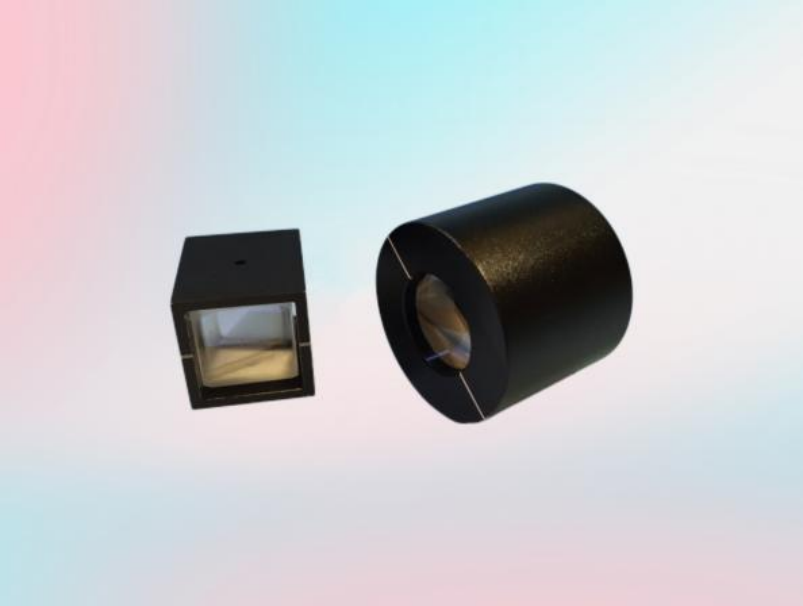
From Basics to Advanced: Mastering the Use of Crystal Polarizers
outline: From Basics to Advanced: Mastering the Use of Crystal Polarizers Table of Contents Introduction to Crystal Polarizers Understanding Polarization in Light Types of Crystal Polarizers How Crystal Polarizers Work Applications of Crystal Polarizers Choosing the Right Crystal Polarizer for Your Needs Proper Installation and Handling Techniques Advanced Techniques in Usi
2026-02-24
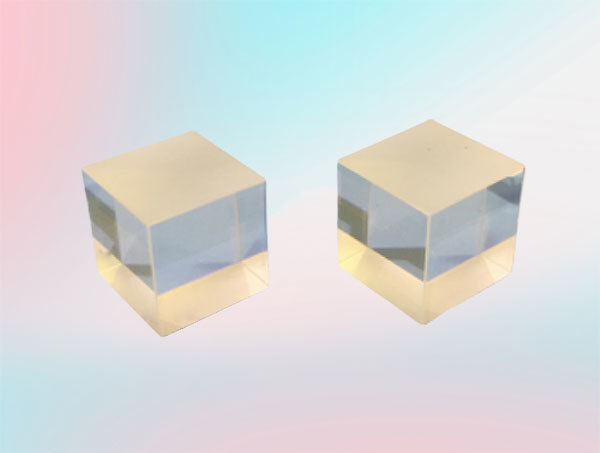
outline: Polarized optical components play a vital role in the optoelectronic industry, particularly in applications where control over light behavior is essential. These components are engineered to filter light waves, allowing only those waves oscillating in a specific direction to pass through. This property is crucial for various applications, including imaging systems, communication technologies, and
2026-02-22
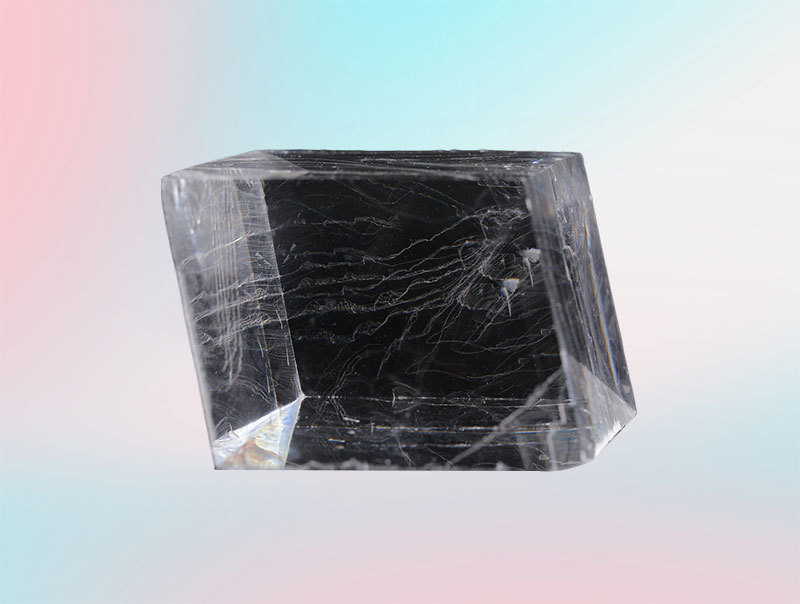
Birefringent Crystals Explained: Enhancing Optical Performance
outline: Birefringent Crystals Explained: Enhancing Optical Performance Table of Contents Understanding Birefringence Key Properties of Birefringent Crystals Types of Birefringent Crystals Applications in Optical Devices Advantages of Using Birefringent Materials How to Select Birefringent Crystals for Your Needs The Future of Birefringent Crystals in Technology Frequen
2026-02-20