
Optical Prisms in Defense Technologies: An In-Depth Overview
Release Time:
2026-03-08
outline: Optical Prisms in Defense Technologies: An In-Depth Overview Table of Contents 1. Introduction to Optical Prisms 2. What Are Optical Prisms? 3. Types of Optical Prisms Used in Defense 3.1 Right Angle Prisms 3.2 Penta Prisms 3.3 Dove Prisms 4. Mission-Critical Applications of Optical Prisms 4.1 Surveillance Systems 4.2 Targeting Systems 4.
Optical Prisms in Defense Technologies: An In-Depth Overview
Table of Contents
- 1. Introduction to Optical Prisms
- 2. What Are Optical Prisms?
- 3. Types of Optical Prisms Used in Defense
- 4. Mission-Critical Applications of Optical Prisms
- 5. Benefits of Using Optical Prisms in Defense
- 6. Innovations in Optical Prism Technology
- 7. Future Trends in Optical Prisms for Defense
- 8. Conclusion
- 9. Frequently Asked Questions (FAQs)
1. Introduction to Optical Prisms
In the ever-evolving landscape of defense technologies, **optical prisms** play a crucial role in enhancing the effectiveness of various military applications. These optical devices, composed of transparent materials, manipulate light to achieve desired effects, such as altering the direction of light rays or changing their polarization. Understanding the significance of optical prisms can provide insights into their applications across military systems and operations.
2. What Are Optical Prisms?
Optical prisms are geometrically shaped components that refract light. Depending on their design, prisms can either reflect or disperse light into various wavelengths. They are typically made from high-quality glass or specialized optical materials, which ensure minimal distortion of the light passing through them.
The fundamental principle behind optical prisms is **refraction**, where light changes direction as it passes through materials of different densities. This property is harnessed in many applications across defense and military sectors, facilitating advanced imaging, targeting, and navigation systems.
3. Types of Optical Prisms Used in Defense
Different types of optical prisms serve various purposes in defense technologies. Understanding these specific types is essential for grasping their applications.
3.1 Right Angle Prisms
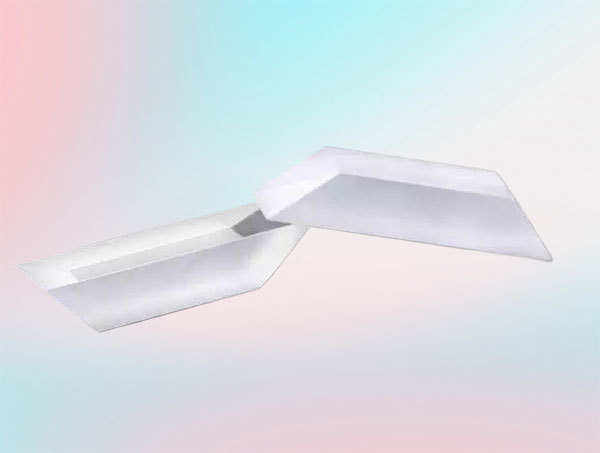
Right angle prisms are commonly used in optical systems for reflecting light at a 90-degree angle. They are crucial for applications that require light to be redirected without significant loss in quality. These prisms are widely used in laser systems, where precision is paramount.
3.2 Penta Prisms
Penta prisms are designed to provide a right-angle reflection while maintaining the orientation of the image. Their unique shape is particularly beneficial in optical sights used in weapons and surveillance systems, ensuring accurate target acquisition.
3.3 Dove Prisms
Dove prisms rotate images by 180 degrees and are often used in optical devices where image orientation is critical. They find applications in various military instruments, including night vision devices and other imaging systems.
4. Mission-Critical Applications of Optical Prisms
Optical prisms have a wide range of applications within defense technologies, providing solutions that enhance operational capabilities.
4.1 Surveillance Systems
In surveillance operations, optical prisms enhance imaging systems by improving light transmission and clarity. This is vital for both daytime and nighttime surveillance, allowing military personnel to gather critical intelligence in diverse environments.
4.2 Targeting Systems
Accurate targeting is essential in military engagements. Optical prisms are integral to advanced targeting systems, where they aid in directing laser beams and ensuring precision strikes. Their role in enhancing image quality directly contributes to mission success.
4.3 Guidance Systems
Guidance systems for missiles and drones heavily rely on optical prisms for effective navigation and orientation. These prisms assist in processing visual data, enabling precise movements and adjustments during operations.
5. Benefits of Using Optical Prisms in Defense
The incorporation of optical prisms into military technology presents numerous advantages:
1. **Enhanced Clarity**: Optical prisms improve image quality, which is crucial for surveillance and targeting systems.
2. **Compact Design**: Many optical prisms are compact, allowing for integration into smaller devices without sacrificing performance.
3. **Durability**: High-quality materials ensure that prisms withstand harsh military environments, maintaining functionality over time.
4. **Versatility**: Different types of prisms can be adapted for various applications, making them indispensable in multiple defense scenarios.
6. Innovations in Optical Prism Technology
As defense technologies advance, so do the innovations in optical prisms. Researchers are exploring new materials and designs to enhance performance further. Developments in **nanotechnology** and **adaptive optics** are paving the way for prisms that can adjust their properties in real-time, providing even greater versatility in dynamic military environments.
Emerging trends involve the use of **metamaterials**, which can manipulate light in ways traditional materials cannot. This innovation holds the potential to create prisms with unprecedented capabilities, such as tunable refractive indices, which can lead to more efficient and effective optical systems.
7. Future Trends in Optical Prisms for Defense
The future of optical prisms in defense technologies is promising. As military operations become increasingly complex, the demand for sophisticated optical solutions will rise.
1. **Miniaturization**: As technology trends toward smaller devices, optical prisms will continue to evolve, leading to more compact yet powerful systems.
2. **Integration with AI**: The incorporation of artificial intelligence into optical systems will enhance decision-making processes, improving the usage of optical prisms in reconnaissance and targeting.
3. **Sustainable Manufacturing**: As environmental concerns grow, the development of sustainable manufacturing practices for optical components will become increasingly important in the defense sector.
8. Conclusion
Optical prisms serve as vital components in the arsenal of defense technologies, enhancing capabilities in surveillance, targeting, and guidance systems. Their unique ability to manipulate light makes them indispensable in modern military applications. As innovations continue to emerge, the future of optical prisms looks bright, promising advancements that will further solidify their role in enhancing military effectiveness.
9. Frequently Asked Questions (FAQs)
What are optical prisms used for in defense technologies?
Optical prisms are used in various defense applications, including surveillance systems, targeting systems, and missile guidance systems, to manipulate light for enhanced imaging and accuracy.
How do optical prisms improve surveillance?
Optical prisms enhance surveillance by improving image clarity and transmission, which allows for better intelligence gathering in various environments.
What types of materials are optical prisms made from?
Optical prisms are typically made from high-quality glass or specialized optical materials designed to minimize light distortion and maximize clarity.
Are there innovations in optical prism technology?
Yes, innovations include the use of nanotechnology and metamaterials that enhance the performance and capabilities of optical prisms in defense applications.
What is the future of optical prisms in military technology?
The future includes trends such as miniaturization, integration with artificial intelligence, and developments in sustainable manufacturing practices to meet the growing demands of modern military operations.
Optical Prisms in Defense Technologies: An In-Depth Overview
outline: Optical Prisms in Defense Technologies: An In-Depth Overview Table of Contents 1. Introduction to Optical Prisms 2. What Are Optical Prisms? 3. Types of Optical Prisms Used in Defense 3.1 Right Angle Prisms 3.2 Penta Prisms 3.3 Dove Prisms 4. Mission-Critical Applications of Optical Prisms 4.1 Surveillance Systems 4.2 Targeting Systems 4.
2026-03-08
Understanding Crystal Polarizers: A Key Component in Optoelectronic Devices
outline: Crystal polarizers are critical components in the optoelectronic industry, playing a significant role in various applications, including displays, imaging systems, and laser technology. These devices use the unique properties of birefringent crystals to manipulate light, ensuring that only light waves vibrating in a specific direction are transmitted while blocking others. The principle behind cry
2026-03-06

A Comprehensive Guide to Polarized Optical Components in Telecommunications
outline: A Comprehensive Guide to Polarized Optical Components in Telecommunications Table of Contents 1. Introduction to Polarized Optical Components 2. Understanding Polarization and Its Importance 3. Types of Polarized Optical Components 3.1 Polarizers 3.2 Waveplates 3.3 Optical Isolators 3.4 Polarization Beam Splitters 4. Applications of Polarized Optical C
2026-03-04