
Top Trends in Polarizing Optics for Emerging Technologies
Release Time:
2026-04-15
outline: Top Trends in Polarizing Optics for Emerging Technologies Polarizing optics is a pivotal component in a wide range of applications, from consumer electronics to advanced industrial systems. As we delve into the world of emerging technologies, understanding the latest trends in polarizing optics not only helps us stay ahead in the industry but also informs future innovations. This article explores
Top Trends in Polarizing Optics for Emerging Technologies
Polarizing optics is a pivotal component in a wide range of applications, from consumer electronics to advanced industrial systems. As we delve into the world of emerging technologies, understanding the latest trends in polarizing optics not only helps us stay ahead in the industry but also informs future innovations. This article explores the key trends shaping polarizing optics, their implications for various sectors, and their potential impact on technological advancements.
Table of Contents
- Understanding Polarizing Optics
- Applications of Polarizing Optics in Emerging Technologies
- Key Trends in Polarizing Optics
- Advancements in Fabrication Techniques
- Impact on Augmented and Virtual Reality
- Polarizing Optics in Medical Devices
- Sustainable Innovations in Polarizing Optics
- Future Outlook for Polarizing Optics
- Frequently Asked Questions
Understanding Polarizing Optics
Polarizing optics involves the use of materials that filter light waves, allowing only certain orientations of light to pass through. This phenomenon is essential in various fields, including photography, display technologies, and scientific instruments. Understanding the fundamental principles of polarizing optics enables us to appreciate its applications and potential innovations in emerging technologies.
How Polarization Works
Light is a wave that can oscillate in various directions. Polarization is the process through which light waves of a specific orientation are isolated, which can enhance visibility and reduce glare. Polarizers are used in numerous devices, from sunglasses to LCD screens, to manipulate light for improved performance and user experience.
Applications of Polarizing Optics in Emerging Technologies
As technology evolves, the applications of polarizing optics are expanding. Various sectors leverage these optical technologies, including telecommunications, automotive, healthcare, and entertainment. Each industry benefits uniquely from the advantages that polarizing optics present.
Telecommunications and Data Transmission
Polarizing optics is becoming increasingly important in telecommunications, particularly in fiber optic communications. By using polarizing filters, data transmission can be enhanced, leading to improved efficiency and greater bandwidth capabilities. This is crucial as the demand for high-speed internet continues to grow.
Automotive Applications
In the automotive industry, polarizing optics are used in advanced driver-assistance systems (ADAS) and heads-up displays (HUD). These technologies enhance visibility and provide critical information to drivers, improving safety and user experience on the road.
Consumer Electronics
Smartphones, tablets, and televisions are integrating polarizing optics to enhance display quality. Advanced polarizing filters help to reduce glare, improve contrast, and enhance color reproduction, providing users with a superior viewing experience.
Key Trends in Polarizing Optics
As we look toward the future, several key trends are emerging in the field of polarizing optics. These trends reflect the growing need for advanced optical solutions across various technologies.
Miniaturization of Optical Components
One of the most significant trends is the miniaturization of optical components. As devices become smaller and more compact, the demand for miniaturized polarizers is increasing. This trend is vital for integrating polarizing optics into wearable technologies and other compact electronic devices.
Integration with Smart Technologies
The integration of polarizing optics with smart technologies, such as AI and IoT, is another critical trend. Smart systems that utilize polarizing filters can enhance image recognition capabilities, improving the performance of devices in various applications, including security and automation.
Development of New Materials
Innovations in materials science are leading to the development of new polarizing materials that offer better performance and durability. This includes the use of nanomaterials that enhance the efficiency of polarizers while reducing their overall size and weight.
Advancements in Fabrication Techniques
Recent advancements in fabrication techniques are revolutionizing the production of polarizing optics. These techniques are essential for creating high-quality optical components that meet the demands of modern applications.
3D Printing in Optical Fabrication
3D printing technology is making waves in the optical fabrication industry. This technology allows for rapid prototyping and the production of complex geometries that were previously challenging to achieve. As a result, manufacturers can create customized polarizing optics tailored to specific applications.
Nanoscale Fabrication Techniques
The development of nanoscale fabrication techniques enables the production of ultra-thin polarizers with enhanced performance characteristics. These innovations are crucial for applications in mobile devices and other compact technologies, where space is at a premium.
Impact on Augmented and Virtual Reality
Augmented reality (AR) and virtual reality (VR) technologies are transforming how we interact with digital content. Polarizing optics play a vital role in enhancing the visual experience in these applications.
Improved Visual Clarity
Polarizing optics can reduce glare and enhance visual clarity in AR and VR systems. This improvement is essential for creating immersive experiences that engage users and allow for seamless interactions with virtual environments.
Enhanced Depth Perception
By utilizing polarizing filters, AR and VR systems can improve depth perception, making virtual objects appear more lifelike. This enhancement is crucial for applications in gaming, training simulations, and remote collaboration.
Polarizing Optics in Medical Devices
In healthcare, polarizing optics are finding applications in various medical devices, improving diagnostic capabilities and treatment options.
Improved Imaging Techniques
Polarization-enhanced imaging techniques are being used in endoscopes and other imaging devices to improve visibility and contrast. This capability is crucial for diagnosing conditions and performing minimally invasive surgeries.
Therapeutic Applications
Polarizing optics are also being explored for therapeutic applications, such as phototherapy. By manipulating light properties, medical professionals can enhance treatment efficacy for certain conditions, paving the way for innovative medical solutions.
Sustainable Innovations in Polarizing Optics
As industries move toward sustainability, polarizing optics are not left behind. Innovations that focus on eco-friendly materials and processes are becoming increasingly important.
Biodegradable Polarizers
Research is underway to develop biodegradable polarizers that reduce environmental impact. These materials aim to provide the same optical performance as traditional polarizers while minimizing waste.
Energy-Efficient Manufacturing Processes
Energy-efficient manufacturing processes are also being adopted to produce polarizing optics. By optimizing production techniques, manufacturers can reduce energy consumption and lower their carbon footprint, aligning with global sustainability goals.
Future Outlook for Polarizing Optics
The future of polarizing optics looks promising, with continuous advancements in technology and materials. As industries embrace these innovations, we can expect to see the integration of polarizing optics in even more applications, driving further growth and development.
Emphasis on Customization
Customization will be a significant focus in the future, allowing manufacturers to tailor polarizing optics solutions to meet specific application requirements. This trend will enhance performance and create unique offerings in various markets.
Collaborative Innovations
Collaboration between technology companies, research institutions, and manufacturers will lead to new breakthroughs in polarizing optics. These partnerships will facilitate knowledge sharing and accelerate the development of innovative solutions.
Frequently Asked Questions
1. What are polarizing optics?
Polarizing optics refers to materials and devices that filter light waves to allow only specific orientations to pass through, enhancing visibility and reducing glare.
2. Where are polarizing optics used?
Polarizing optics are used in various applications, including telecommunications, automotive systems, consumer electronics, medical devices, and augmented reality.
3. How do polarizers improve display quality?
Polarizers enhance display quality by reducing glare, improving contrast, and enhancing color reproduction, providing users with a better viewing experience.
4. What are the latest trends in polarizing optics?
Key trends in polarizing optics include the miniaturization of components, integration with smart technologies, and advancements in material science.
5. How does sustainable innovation affect polarizing optics?
Sustainable innovations focus on developing biodegradable materials and energy-efficient manufacturing processes, reducing environmental impact while maintaining performance.
Conclusion
In conclusion, polarizing optics are at the forefront of technological advancements across numerous industries. The integration of emerging trends, innovative materials, and sustainable practices is shaping a brighter future for polarizing optics. As we continue to explore these developments, we can expect to see significant improvements in performance and functionality, ultimately enhancing user experiences across various applications. Embracing these trends will empower industries to leverage the full potential of polarizing optics in the ever-evolving technological landscape.
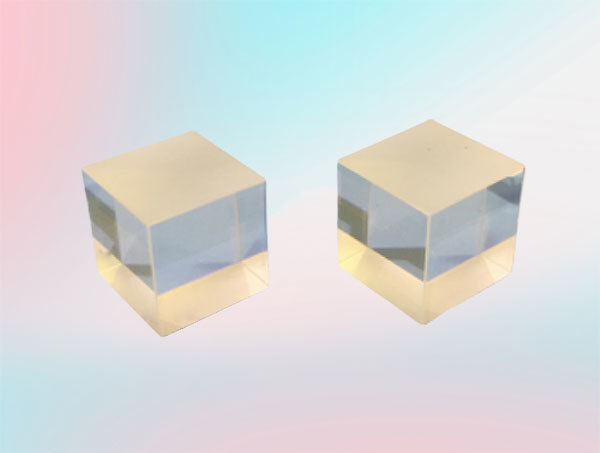
Top Trends in Polarizing Optics for Emerging Technologies
outline: Top Trends in Polarizing Optics for Emerging Technologies Polarizing optics is a pivotal component in a wide range of applications, from consumer electronics to advanced industrial systems. As we delve into the world of emerging technologies, understanding the latest trends in polarizing optics not only helps us stay ahead in the industry but also informs future innovations. This article explores
2026-04-15
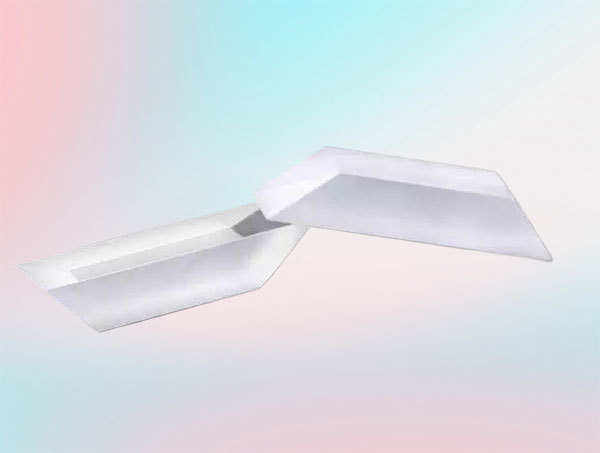
The Fascinating World of Optical Prisms: Understanding Their Role in Photonics
outline: Optical prisms are essential elements in the field of photonics, playing a crucial role in manipulating and controlling light. Their unique ability to bend, reflect, and disperse light makes them invaluable in various applications ranging from simple optical instruments to complex imaging systems. At its core, an optical prism is a transparent optical element with flat, polished surfaces that refr
2026-04-12
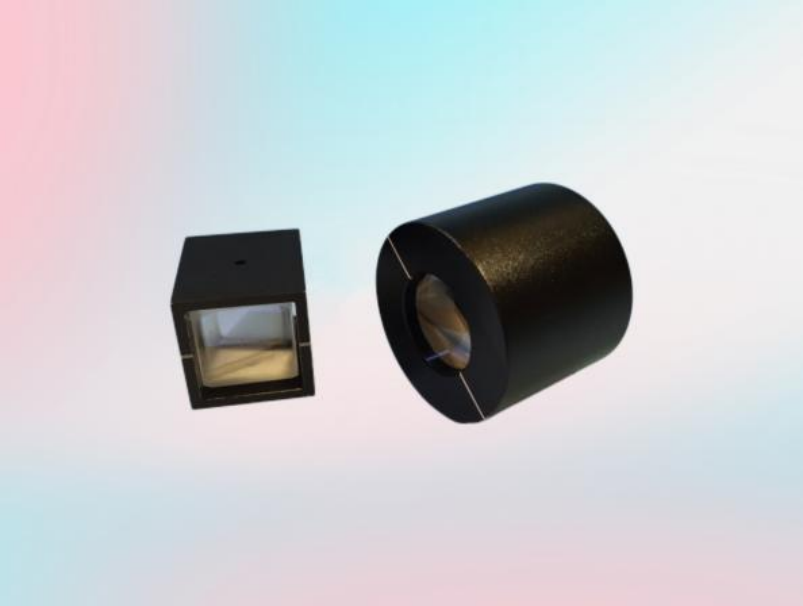
Harnessing the Power of Crystal Polarizers for Superior Optical Performance
outline: Introduction to Crystal Polarizers and Their Importance in Optical Systems In the realm of optics, **crystal polarizers** play a pivotal role in enhancing light manipulation and image clarity. These sophisticated devices are essential in a variety of applications, from telecommunications to imaging systems and beyond. Understanding how crystal polarizers function and their advantages can significa
2026-04-09