
Why Crystal Polarizers Are Essential for Optical Clarity in Devices
Release Time:
2026-08-07
outline: Why Crystal Polarizers Are Essential for Optical Clarity in Devices Introduction to Crystal Polarizers In today's technologically advanced world, **optical clarity** plays a pivotal role in the performance of various devices, from smartphones to high-end cameras. Crystal polarizers have emerged as an indispensable component in achieving this clarity. Understanding the mechanics and applications of
Why Crystal Polarizers Are Essential for Optical Clarity in Devices
Introduction to Crystal Polarizers
In today's technologically advanced world, **optical clarity** plays a pivotal role in the performance of various devices, from smartphones to high-end cameras. Crystal polarizers have emerged as an indispensable component in achieving this clarity. Understanding the mechanics and applications of crystal polarizers is essential for anyone involved in the electronics industry.
The Science Behind Crystal Polarizers
Crystal polarizers work on the principle of **light polarization**, a phenomenon where light waves oscillate in a particular direction. This section delves into the scientific principles that govern how crystal polarizers function.
Understanding Light Polarization
Light is an electromagnetic wave that travels in many directions. Polarization restricts the light waves to oscillate in a single plane. This selective filtering helps reduce glare and improve visibility, particularly in bright environments.
Types of Crystal Polarizers
There are primarily two types of crystal polarizers used in optical devices:
- **Linear Polarizers**: These allow light waves oscillating in one direction to pass through while blocking others.
- **Circular Polarizers**: These involve two linear polarizers that enhance the ability to manage light waves effectively, making them particularly useful in advanced imaging systems.
The Role of Crystal Polarizers in Optical Devices
Crystal polarizers are integral to various applications, enhancing the optical clarity and overall performance of devices.
Smartphones and Tablets
In smartphones and tablets, crystal polarizers significantly reduce glare from sunlight, ensuring that users can view screens clearly in various lighting conditions. This enhancement leads to a better user experience and is crucial for applications like photography and video streaming.
Televisions and Monitors
Crystal polarizers in LCD and OLED televisions help improve color accuracy and contrast ratios. By filtering out unwanted light waves, these devices deliver stunning visuals, enhancing the viewer's experience.
Camera Systems
For photographers and videographers, crystal polarizers are invaluable. They help in managing reflections and enhancing colors, making it easier to capture high-quality images.
Optical Instruments
In scientific fields, crystal polarizers are used in microscopes and telescopes to enhance image quality. They enable researchers to observe details that might otherwise be obscured by glare or noise in the optical signal.
Benefits of Using Crystal Polarizers
The inclusion of crystal polarizers in optical devices offers numerous benefits that warrant their essential status.
Enhanced Image Quality
By reducing reflections and glare, crystal polarizers improve the overall image quality. This enhancement is particularly important in high-resolution displays, where clarity is paramount.
Improved Color Fidelity
Crystal polarizers help maintain color accuracy by filtering out extraneous light. This is especially beneficial in professional photography and videography, where true-to-life color representation is crucial.
Increased Contrast
The ability to adjust the light entering the device allows for a significant increase in contrast levels. This feature is essential for applications requiring precise detail, such as in medical imaging or scientific research.
Applications of Crystal Polarizers in Various Industries
Beyond consumer electronics, crystal polarizers find applications across multiple sectors.
Automotive Industry
In the automotive sector, crystal polarizers are used in heads-up displays (HUDs) and infotainment systems, ensuring that information remains clear and legible under various lighting conditions.
Medical Devices
In medical imaging technologies, crystal polarizers enhance the clarity and detail of images, aiding in accurate diagnoses and treatment planning.
Industrial Applications
In industrial settings, crystal polarizers are used in machinery and equipment to improve safety and functionality by ensuring operators can see displays and controls clearly.
Challenges and Limitations of Crystal Polarizers
While crystal polarizers provide numerous advantages, they are not without their challenges.
Cost Considerations
High-quality crystal polarizers can be expensive to manufacture, which may increase the overall cost of devices. Manufacturers must balance quality with affordability to maintain market competitiveness.
Temperature Sensitivity
Crystal polarizers can be sensitive to temperature changes, which may affect their performance. This sensitivity necessitates careful consideration during design and application.
Future Trends in Crystal Polarizer Technology
As technology continues to evolve, so too does the field of crystal polarizers. Innovations are paving the way for improved performance and new applications.
Advancements in Materials
Research into new materials for crystal polarizers is underway. These advancements aim to enhance durability, reduce costs, and improve optical performance.
Integration with Smart Technologies
The integration of crystal polarizers with smart technologies, such as augmented reality (AR) and virtual reality (VR), is on the horizon. This integration promises to revolutionize how we interact with digital content.
FAQs About Crystal Polarizers
1. What are crystal polarizers made of?
Crystal polarizers are typically made from materials like **polyvinyl alcohol (PVA)** and **iodine** or **molecular films** that can manipulate light waves.
2. How do crystal polarizers improve visibility?
By filtering out certain wavelengths of light, crystal polarizers reduce glare and enhance contrast, leading to improved visibility in various lighting conditions.
3. Can crystal polarizers be used in outdoor devices?
Yes, crystal polarizers are highly effective in outdoor devices, helping to reduce reflections from sunlight and improving usability.
4. Are crystal polarizers environmentally friendly?
Many manufacturers are working on producing environmentally friendly polarizers using sustainable materials and processes, though traditional methods may have some environmental impact.
5. How often do crystal polarizers need to be replaced?
The lifespan of crystal polarizers can vary depending on usage and environmental conditions, but high-quality polarizers can last for several years.
Conclusion
Crystal polarizers are essential components in modern optical devices, greatly enhancing **optical clarity** and overall performance. Their unique ability to manipulate light makes them invaluable across various industries, from consumer electronics to advanced scientific applications. Understanding the significance of crystal polarizers not only aids manufacturers in product development but also empowers consumers to make informed decisions about their electronic devices. As technology continues to advance, the role of crystal polarizers will likely expand, opening doors to new applications and improved optical experiences.
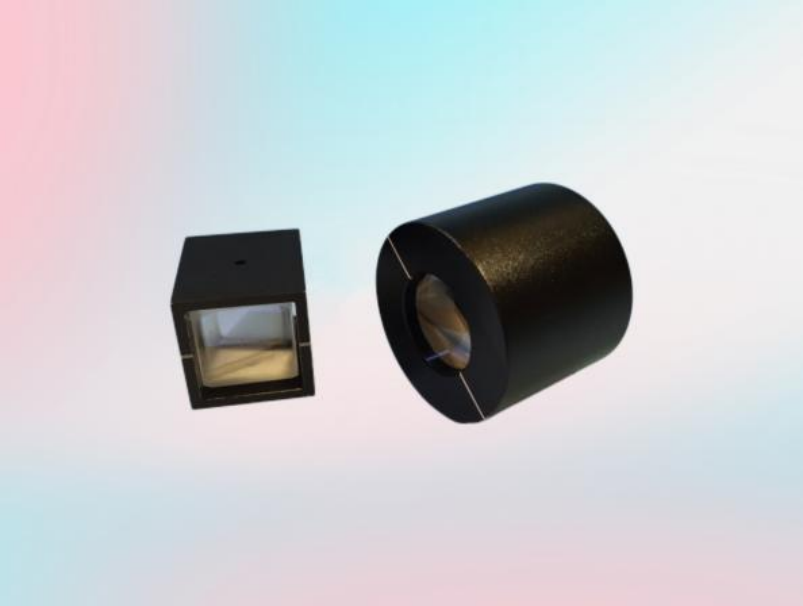
Understanding Crystal Polarizers: Key Components in Optoelectronic Devices
outline: Crystal polarizers are vital components in the field of optoelectronics, playing a crucial role in manipulating light for various applications. These devices utilize the principle of light polarization, where light waves oscillate in specific directions. By selectively filtering light, crystal polarizers enhance the performance of optical systems. The functioning of crystal polarizers is grounded
2026-09-21

The Role of Polarized Optical Components in Enhancing AR and VR Experiences
outline: The Role of Polarized Optical Components in Enhancing AR and VR Experiences Introduction: Understanding Augmented Reality (AR) and Virtual Reality (VR) The rapid evolution of technology has given rise to augmented reality (AR) and virtual reality (VR), two immersive experiences that transform how we interact with digital content. Both technologies have gained immense popularity across various sect
2026-09-18

The Fascinating World of Birefringent Crystals: Unlocking Optical Phenomena
outline: Birefringent crystals are a remarkable class of materials that exhibit unique optical properties, specifically the phenomenon of double refraction. When light passes through these crystals, it is split into two distinct rays, each traveling at different speeds and refracting at different angles. This unique behavior arises due to the anisotropic nature of the crystal structure, where the refractiv
2026-09-15
