
Understanding Crystal Polarizers: Key Components in Optoelectronic Devices
Release Time:
2026-09-21
outline: Crystal polarizers are vital components in the field of optoelectronics, playing a crucial role in manipulating light for various applications. These devices utilize the principle of light polarization, where light waves oscillate in specific directions. By selectively filtering light, crystal polarizers enhance the performance of optical systems. The functioning of crystal polarizers is grounded
The functioning of crystal polarizers is grounded in the interaction of light with anisotropic materials—substances that have different properties in different directions. Crystals like calcite and quartz are commonly used for this purpose. When unpolarized light passes through a crystal polarizer, the crystal's unique structure allows only light waves vibrating in a particular direction to pass through, effectively filtering out other orientations of light waves. This process creates polarized light, which has applications in diverse fields, including photography, displays, and scientific research.
One primary type of crystal polarizer is the polarizing beam splitter (PBS). This device divides an incoming beam of light into two separate beams with orthogonal polarization states. PBS is crucial in many optical devices, like lasers and imaging systems, where precise control over light is required. Another example is the use of polarizers in LCD (Liquid Crystal Display) technology. In these displays, polarizers are essential for controlling the passage of light, contributing to the display's clarity and color accuracy.
The applications of crystal polarizers extend beyond consumer electronics. In scientific instrumentation, such as microscopes and spectrometers, crystal polarizers help in analyzing materials and biological samples by enhancing contrast and imaging quality. They are also used in telecommunications to improve signal quality in fiber optics, ensuring efficient transmission of data.
When considering crystal polarizers for specific applications, several factors come into play. The choice of material, thickness, and orientation of the crystal can significantly influence performance. Additionally, understanding the wavelength of light used in a given application is crucial, as different materials provide varying levels of polarization efficiency at distinct wavelengths.
In conclusion, crystal polarizers are indispensable tools in the optoelectronic industry, enhancing the functionality and performance of various devices. Their ability to manipulate light through polarization not only enables advancements in technology but also opens new avenues for research and development. Whether in everyday consumer products or sophisticated scientific instruments, crystal polarizers continue to play a pivotal role in the evolving landscape of optical technology.
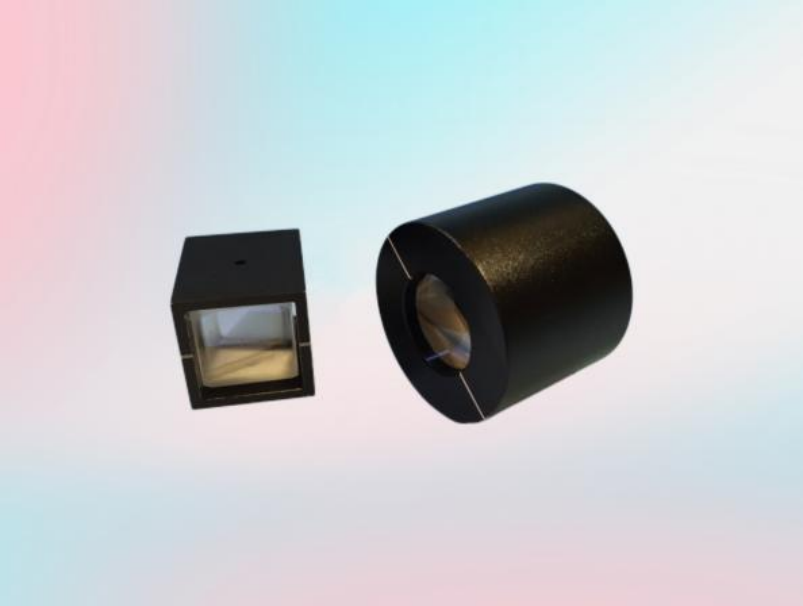
Understanding Crystal Polarizers: Key Components in Optoelectronic Devices
outline: Crystal polarizers are vital components in the field of optoelectronics, playing a crucial role in manipulating light for various applications. These devices utilize the principle of light polarization, where light waves oscillate in specific directions. By selectively filtering light, crystal polarizers enhance the performance of optical systems. The functioning of crystal polarizers is grounded
2026-09-21
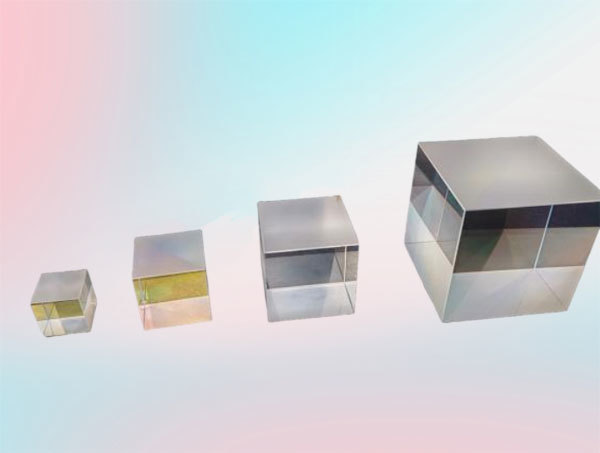
The Role of Polarized Optical Components in Enhancing AR and VR Experiences
outline: The Role of Polarized Optical Components in Enhancing AR and VR Experiences Introduction: Understanding Augmented Reality (AR) and Virtual Reality (VR) The rapid evolution of technology has given rise to augmented reality (AR) and virtual reality (VR), two immersive experiences that transform how we interact with digital content. Both technologies have gained immense popularity across various sect
2026-09-18

The Fascinating World of Birefringent Crystals: Unlocking Optical Phenomena
outline: Birefringent crystals are a remarkable class of materials that exhibit unique optical properties, specifically the phenomenon of double refraction. When light passes through these crystals, it is split into two distinct rays, each traveling at different speeds and refracting at different angles. This unique behavior arises due to the anisotropic nature of the crystal structure, where the refractiv
2026-09-15
