
Understanding Polarized Optical Components: Their Role in Modern Optoelectronics
Release Time:
2026-09-03
outline: Polarized optical components are essential elements in the field of optoelectronics, playing a pivotal role in manipulating light in ways that enhance the performance and functionality of various optical devices. These components, which include polarizers, beam splitters, and optical filters, are designed to control the orientation and intensity of light waves. By understanding the principles behi
At its core, polarization refers to the orientation of light waves as they propagate. Natural light is unpolarized, meaning it vibrates in multiple planes. However, polarized light vibrates predominantly in a single plane. This characteristic is exploited by polarized optical components to filter out unwanted glare, improve contrast, and enhance image clarity. For instance, polarizers are commonly used in photography to reduce reflections from surfaces such as water or glass, allowing for clearer images with more vibrant colors.
In addition to photography, polarized optical components find applications in various industries, including telecommunications, displays, and sensor technologies. In telecommunications, for example, they are used to improve signal quality by reducing interference caused by stray light. In displays, such as LCD screens, these components are crucial for enhancing visibility and color accuracy, as they control the light that reaches the viewer. Furthermore, in sensors, polarized optical components can improve the detection of specific materials and enhance the sensitivity of imaging systems.
The benefits of using polarized optical components extend beyond mere clarity and contrast. They can significantly improve energy efficiency in optical devices by reducing the amount of wasted light. This efficiency is particularly important in applications like laser technology and optical communication, where maximizing signal strength and minimizing loss are critical.
When selecting polarized optical components, it is essential to consider factors such as wavelength compatibility, optical density, and the specific application requirements. High-quality components are designed to provide maximum polarization efficiency while minimizing optical losses. As technology continues to advance, innovations in materials and fabrication techniques are likely to lead to even more efficient and versatile polarized optical components.
In conclusion, polarized optical components are integral to the advancement of optoelectronics, enhancing the performance and efficiency of a wide range of devices. By filtering light in specific ways, these components enable clearer imaging, improved communication signals, and a host of other benefits that are vital in today’s technology-driven world. Understanding their role and function can help industries leverage these tools for improved outcomes and innovations in optical technology.
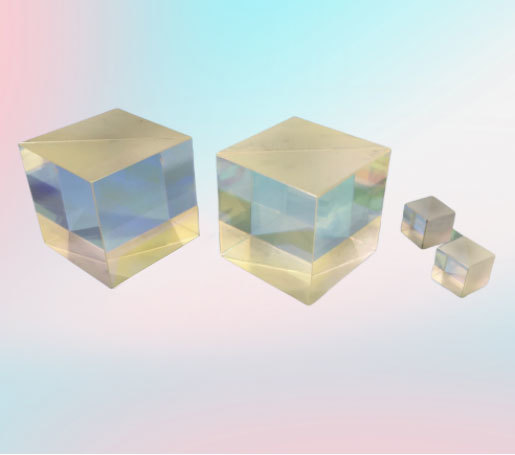
Understanding Polarized Optical Components: Their Role in Modern Optoelectronics
outline: Polarized optical components are essential elements in the field of optoelectronics, playing a pivotal role in manipulating light in ways that enhance the performance and functionality of various optical devices. These components, which include polarizers, beam splitters, and optical filters, are designed to control the orientation and intensity of light waves. By understanding the principles behi
2026-09-03
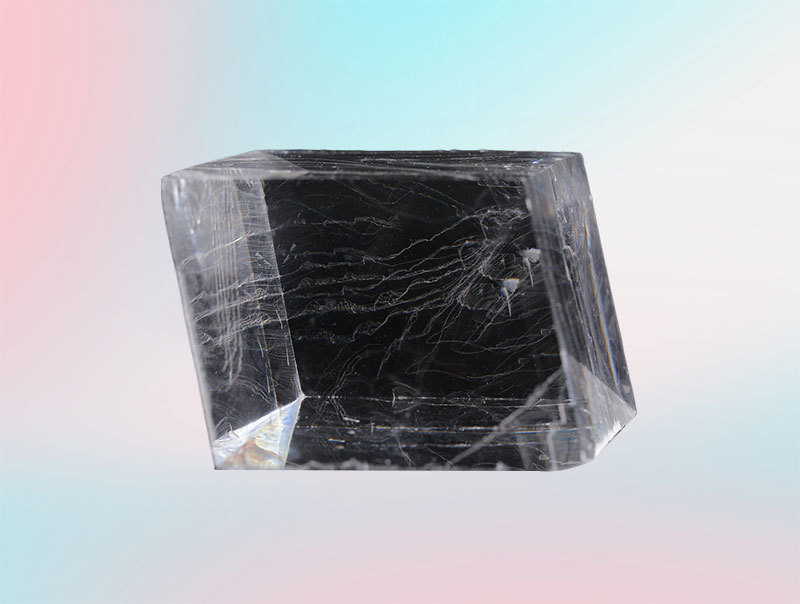
Understanding Birefringent Crystals: A Comprehensive Guide for Electronics Enthusiasts
outline: Understanding Birefringent Crystals: A Comprehensive Guide for Electronics Enthusiasts Table of Contents What Are Birefringent Crystals? Properties of Birefringent Crystals Types of Birefringent Crystals Applications of Birefringent Crystals in Electronics Manufacturing Processes for Birefringent Crystals Future Trends and Innovations in Birefringent Crystals Common Mi
2026-08-31

Understanding Polarizing Optics: A Key Component in Photonic Devices
outline: Polarizing optics is an essential area of study within the realm of photonics, focusing on the manipulation of light waves based on their polarization states. Polarization refers to the orientation of light waves as they oscillate; light can be unpolarized (with waves oscillating in multiple directions) or polarized (with waves oscillating in a single direction). This characteristic is crucial in
2026-08-28
