
Understanding Polarized Optical Components: Enhancing Precision in Optical Applications
Release Time:
2026-11-18
outline: Polarized optical components are crucial in manipulating light waves to achieve desired outcomes in various applications. These components selectively transmit light waves based on their polarization state, which refers to the direction in which light waves oscillate. Understanding polarized optical components is essential for professionals in the electronics and optoelectronics sectors, as they p
There are several types of polarized optical components, each serving a unique function. Polarizers are the most common, designed to allow only light waves of a specific polarization to pass through while blocking others. This characteristic is particularly useful in photography, where polarizers can reduce glare and enhance color saturation. Another important type is wave plates, which manipulate the phase of light waves. By introducing a phase shift between different polarization states, wave plates can convert linearly polarized light into circularly polarized light or vice versa. This capability is vital in applications like laser systems and optical communication.
Polarized beamsplitters are another essential component that separates incoming light into two orthogonal polarization states. This functionality is widely utilized in laser applications, where maintaining the polarization state is crucial for optimal performance. Additionally, optical coatings can enhance the performance of these components by reducing reflections and improving transmission rates.
The applications of polarized optical components are vast and diverse. In scientific research, they are often used in microscopy and spectrometry to enhance contrast and improve measurement accuracy. In telecommunications, polarized components contribute to the efficiency of fiber optic systems, ensuring high data transmission rates with minimal signal loss. Moreover, in the field of display technology, polarized filters are integral in LCD screens, where they help control light transmission and improve visibility.
When selecting polarized optical components, several factors should be considered, including the wavelength of light, the required level of polarization, and the intended application. It’s essential to choose components that not only meet the technical specifications but also align with the specific needs of the project to achieve optimal results.
In summary, understanding polarized optical components is vital for professionals in the optoelectronics industry. By leveraging the unique properties of these components, one can significantly enhance the performance of optical systems across a variety of applications. Whether in research, telecommunications, or display technology, polarized optical components are indispensable tools that contribute to technological advancements and improved efficiencies.
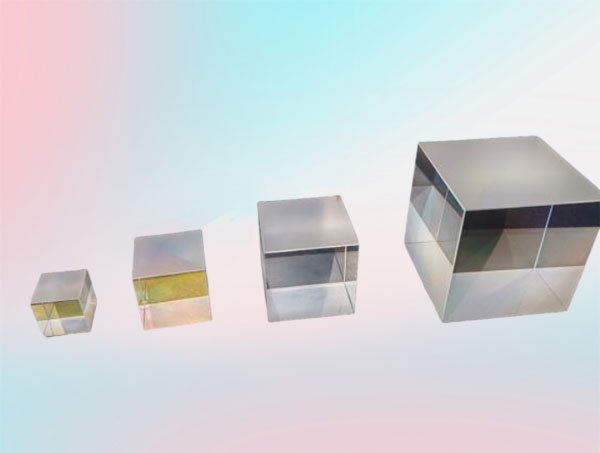
Understanding Polarized Optical Components: Enhancing Precision in Optical Applications
outline: Polarized optical components are crucial in manipulating light waves to achieve desired outcomes in various applications. These components selectively transmit light waves based on their polarization state, which refers to the direction in which light waves oscillate. Understanding polarized optical components is essential for professionals in the electronics and optoelectronics sectors, as they p
2026-11-18

Birefringent Crystals in Action: Real-World Applications and Benefits
outline: Birefringent Crystals in Action: Real-World Applications and Benefits Table of Contents 1. Understanding Birefringent Crystals 2. The Science Behind Birefringence 3. Key Types of Birefringent Crystals 4. Applications of Birefringent Crystals in Optics 5. Birefringent Crystals in Telecommunications 6. Birefringence in Imaging Technologies 7. Future Trends and Innovations in Birefringent Crystals 8.
2026-11-15
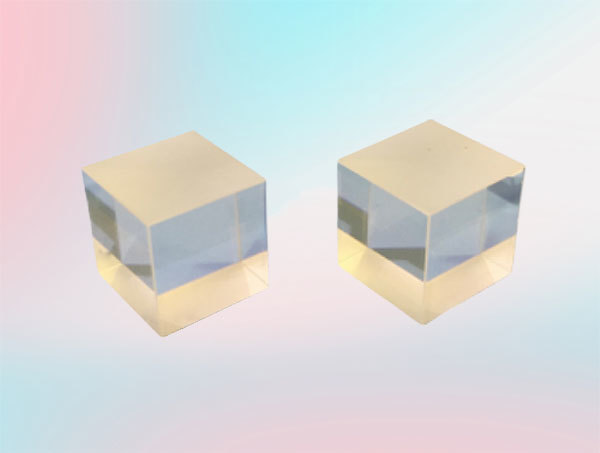
The Essential Guide to Polarizing Optics in Photonics
outline: Polarizing optics is a vital aspect of optical technology, influencing various applications in the electronics and photonics industries. At its core, polarizing optics involves the manipulation of light waves, specifically their polarization states. When light is generated, it can oscillate in various directions; polarizing optics allow for the control of these oscillations, leading to clearer ima
2026-11-12
