
What are the differences in the applications of gold-plated mirrors, silver-plated mirrors, and aluminum-plated mirrors?
Release Time:
2025-05-15
outline: The application differences between gold, silver, and aluminum-plated reflective mirrors mainly lie in their different advantages in reflection band, performance characteristics, and cost; gold-plated reflective mirrors Advantages: High infrared reflectivity (>95%), high temperature resistance, and corrosion resistance.
The main differences in the applications of gold, silver, and aluminum-coated reflecting mirrors lie in their reflection bands, performance characteristics, and cost. A brief summary is as follows:
1. Gold-coated reflecting mirrors
Advantages: High infrared reflectivity (>95%), high temperature resistance, and corrosion resistance.
Applications:
Infrared instruments (such as thermal imagers and spectrometers);
High-temperature environments (such as industrial furnaces and space equipment);
Astronomical telescopes (to reduce thermal noise).
2. Silver-coated reflecting mirrors
Advantages: High visible light reflectivity (>95%), and color-neutral imaging.
Applications:
Optical instruments (microscopes, laser resonators);
Precision imaging equipment (projectors, movie projectors);
Decorative mirrors (jewelry stores, homes).
3. Aluminum-coated reflecting mirrors
Advantages: Low cost, high ultraviolet reflectivity (>90%), and wear resistance.
Applications:
Everyday items (vanity mirrors, car rearview mirrors);
Ultraviolet equipment (UV curing machines, sensors);
Low-cost applications (educational instruments, simple optical components).
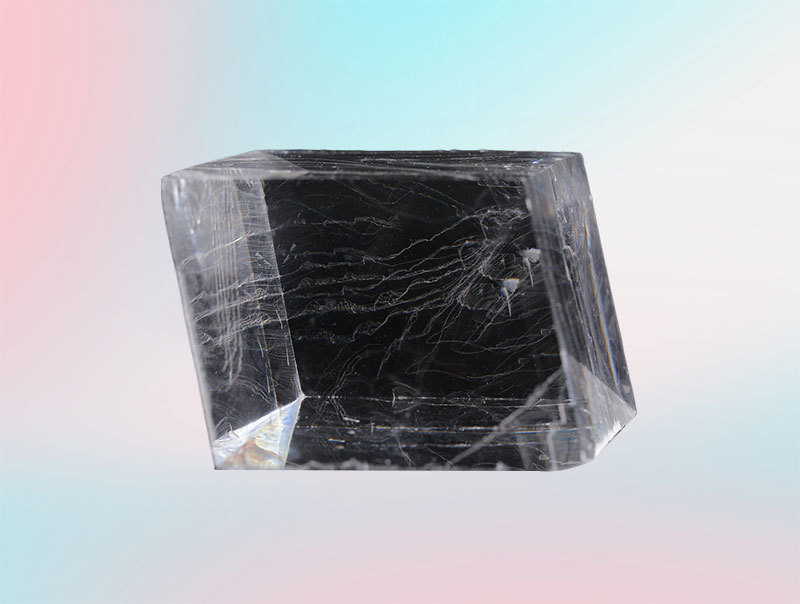
Understanding Birefringent Crystals: Their Role in Optoelectronic Devices
outline: Birefringent crystals are materials that exhibit different refractive indices based on the polarization and propagation direction of light passing through them. This phenomenon, known as birefringence, arises from the crystal's anisotropic structure, where the arrangement of atoms is not uniform in all directions. Common examples of birefringent crystals include calcite, quartz, and certain types
2026-03-19

The Impact of Crystal Polarizers on Light Control in Optoelectronic Devices
outline: The Impact of Crystal Polarizers on Light Control in Optoelectronic Devices Introduction to Crystal Polarizers Crystal polarizers are essential components in the realm of optoelectronic devices. They manipulate light in profound ways, enabling precise control over various optical phenomena. This article will explore the significance of crystal polarizers, elucidate their working principles, and hi
2026-03-16
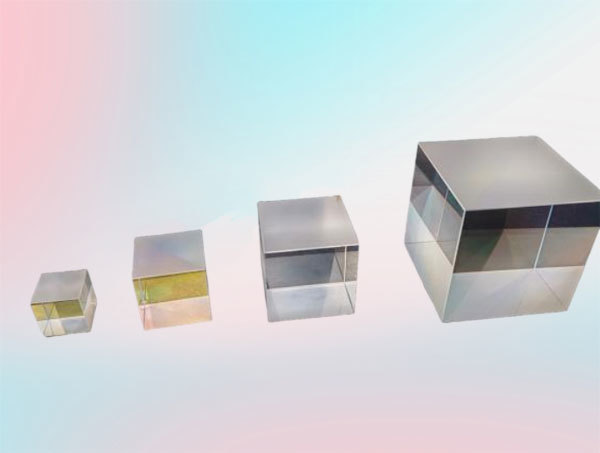
Understanding Polarized Optical Components: Enhancing Optical Performance in Electronic Devices
outline: Polarized optical components are essential elements in the realm of optics, particularly within the electronics industry. They play a vital role in improving the performance of optical systems by controlling light behavior. The basic principle behind polarization involves the orientation of light waves. Light, which travels in a wave-like manner, can oscillate in multiple directions. However, pola
2026-03-14