
PLANO CONCAVE LENSES
Keywords:
China Precision mirrors
Keywords:
PLANO CONCAVE LENSES
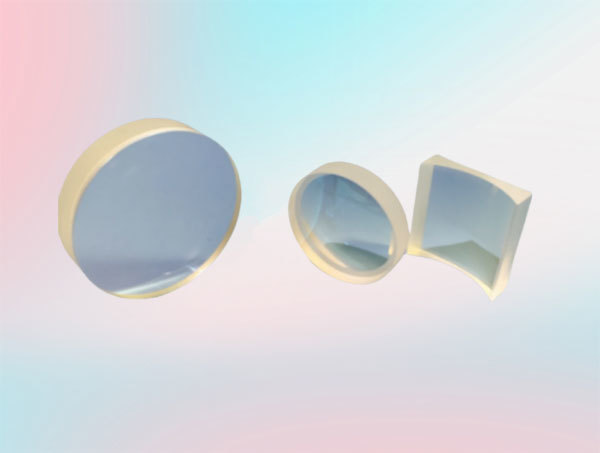
Basic Parameters
We offer Plano-Concave lenses in a variety of materials, including BK7, fused quartz, CaF2, etc., and can be customized to the required size. We also offer a variety of standard sizes and can be coated with anti-reflection films of different wavelengths according to the application.
Material selection: BK7 material, suitable for visible to near infrared band, low price, stable performance.
Fused Silica material, suitable for deep ultraviolet to near infrared band, low coefficient of thermal expansion, can be used in ultraviolet or high power applications.
Coating selection: The single-side reflectance of the material is generally about 4% before the coating, and the single-side reflectance is about 0.25% after the coating.
|
Specifications |
BK7 Plano-Concave Lens |
UVFS Plano-Concave Lens |
|
Wavelength |
350-2000nm |
185-2100nm |
|
Dia Tolerance |
+0.0/-0.1mm |
|
|
Thick Tolerance |
+/-0.1mm |
|
|
CA |
>85% |
|
|
FL Tolerance |
5% (Standard) / 1% (High Precision) |
|
|
Surface Quality |
40/20 (Standard) / 20/10 (High Precision) |
|
| Fringe |
Power:3λ/ 2 , PV:λ/4 |
|
|
Centration |
<3 arc min |
|
|
Coating |
Customization |
|
BK7 Standard Products
|
Type |
Dia |
CT |
FL |
|
PCV105-F15 |
12.7 |
2 |
-15.0 |
|
PCV105-F20 |
12.7 |
2 |
-20.0 |
|
PCV105-F25 |
12.7 |
2 |
-25.0 |
|
PCV105-F30 |
12.7 |
2 |
-30.0 |
|
PCV105-F50 |
12.7 |
2 |
-50.0 |
|
PCV105-F100 |
12.7 |
2 |
-100.0 |
|
PCV110-F50 |
25.4 |
2 |
-50.0 |
|
PCV110-F75 |
25.4 |
2 |
-75.0 |
|
PCV110-F100 |
25.4 |
2 |
-100.0 |
|
PCV110-F150 |
25.4 |
2 |
-150.0 |
|
PCV110-F200 |
25.4 |
2 |
-200.0 |
|
PCV110-F250 |
25.4 |
2 |
-250.0 |
|
PCV110-F300 |
25.4 |
2 |
-300.0 |
UVFS Standard Products:
|
Type |
Dia |
CT |
FL |
|
PCV205-F15 |
12.7 |
2 |
-15.0 |
|
PCV205-F20 |
12.7 |
2 |
-20.0 |
|
PCV205-F25 |
12.7 |
2 |
-25.0 |
|
PCV205-F30 |
12.7 |
2 |
-30.0 |
|
PCV205-F50 |
12.7 |
2 |
-50.0 |
|
PCV205-F100 |
12.7 |
2 |
-100.0 |
|
PCV210-F50 |
25.4 |
2 |
-50.0 |
|
PCV210-F75 |
25.4 |
2 |
-75.0 |
|
PCV210-F100 |
25.4 |
2 |
-100.0 |
|
PCV210-F150 |
25.4 |
2 |
-150.0 |
|
PCV210-F200 |
25.4 |
2 |
-200.0 |
|
PCV210-F250 |
25.4 |
2 |
-250.0 |
|
PCV210-F300 |
25.4 |
2 |
-300.0 |
Precision mirrors are critical components in modern optical systems, providing high reflectivity, surface accuracy, and dimensional stability for a wide range of applications. Used extensively in telescopes, laser systems, scientific instruments, medical devices, and industrial equipment, precision mirrors ensure that light is accurately directed and focused for optimal performance. These mirrors are manufactured using advanced techniques such as CNC polishing, ion beam figuring, and coating technologies to achieve surface tolerances often measured in nanometers. The choice of substrate material—such as fused silica, glass, or metals—combined with high-quality reflective coatings, determines the mirror’s performance, including its thermal stability, reflectivity across wavelengths, and resistance to environmental degradation. Precision mirrors are essential in high-tech industries where even minor deviations can compromise system accuracy, highlighting the importance of meticulous design, fabrication, and quality control.
In addition to traditional optical applications, precision mirrors play an increasingly important role in emerging technologies such as laser communication, photonics, and space exploration. High-precision manufacturing processes ensure that mirrors maintain their optical properties under extreme conditions, including vacuum, high temperatures, and radiation exposure. Coatings such as protected silver, enhanced aluminum, or dielectric multilayers are applied to optimize reflectivity and durability for specific wavelength ranges. The global demand for precision mirrors is growing steadily due to advances in semiconductor manufacturing, defense systems, scientific research, and medical imaging technologies. Companies specializing in precision optics focus on developing mirrors with higher flatness, lower surface roughness, and superior coating adhesion to meet the stringent requirements of modern optical systems, ensuring reliability, performance, and long-term stability.
Solutions
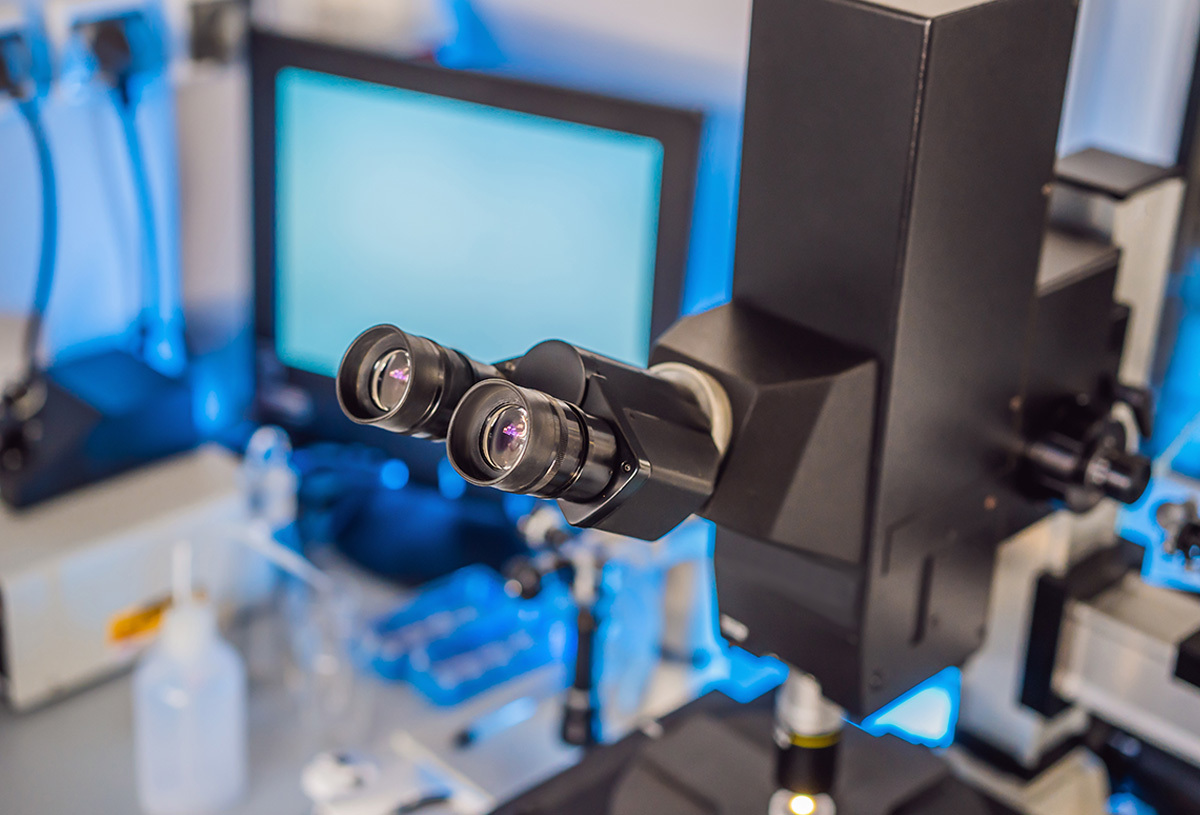
Scientific research and testing field

Aviation field
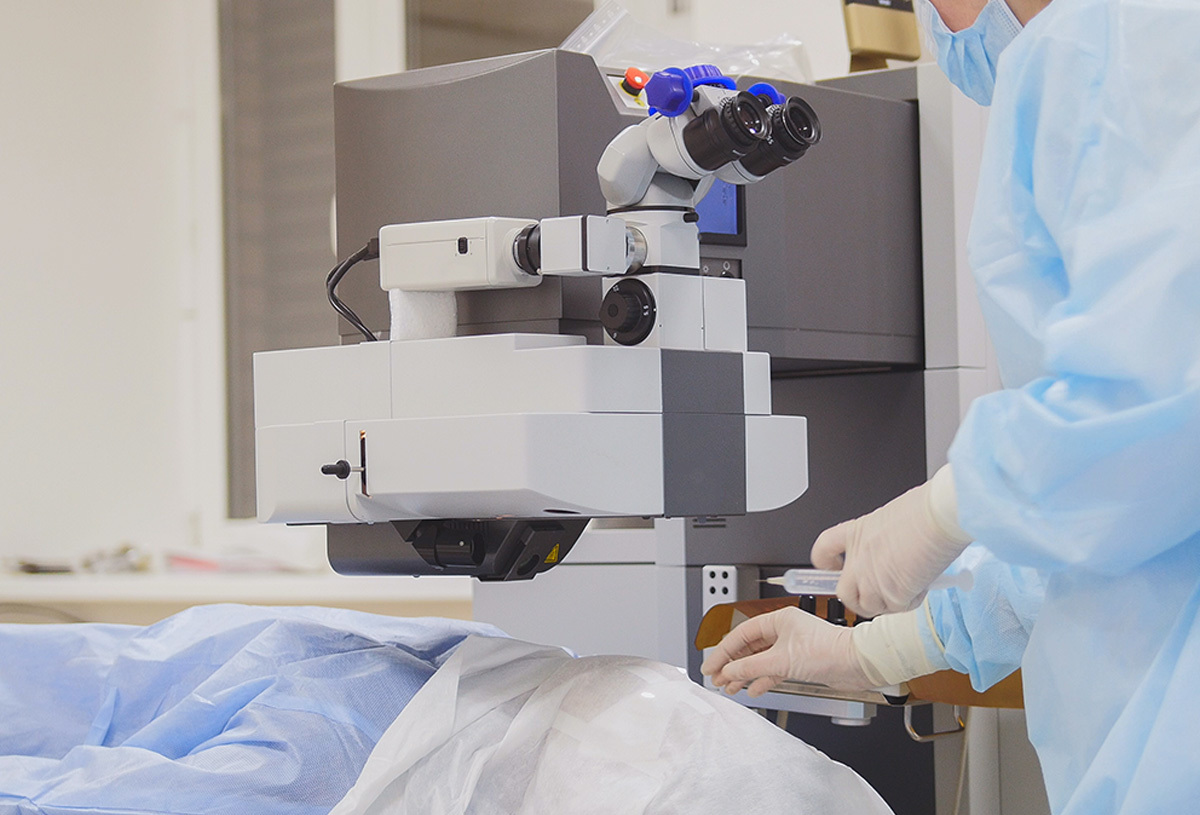
Medical cosmetology field
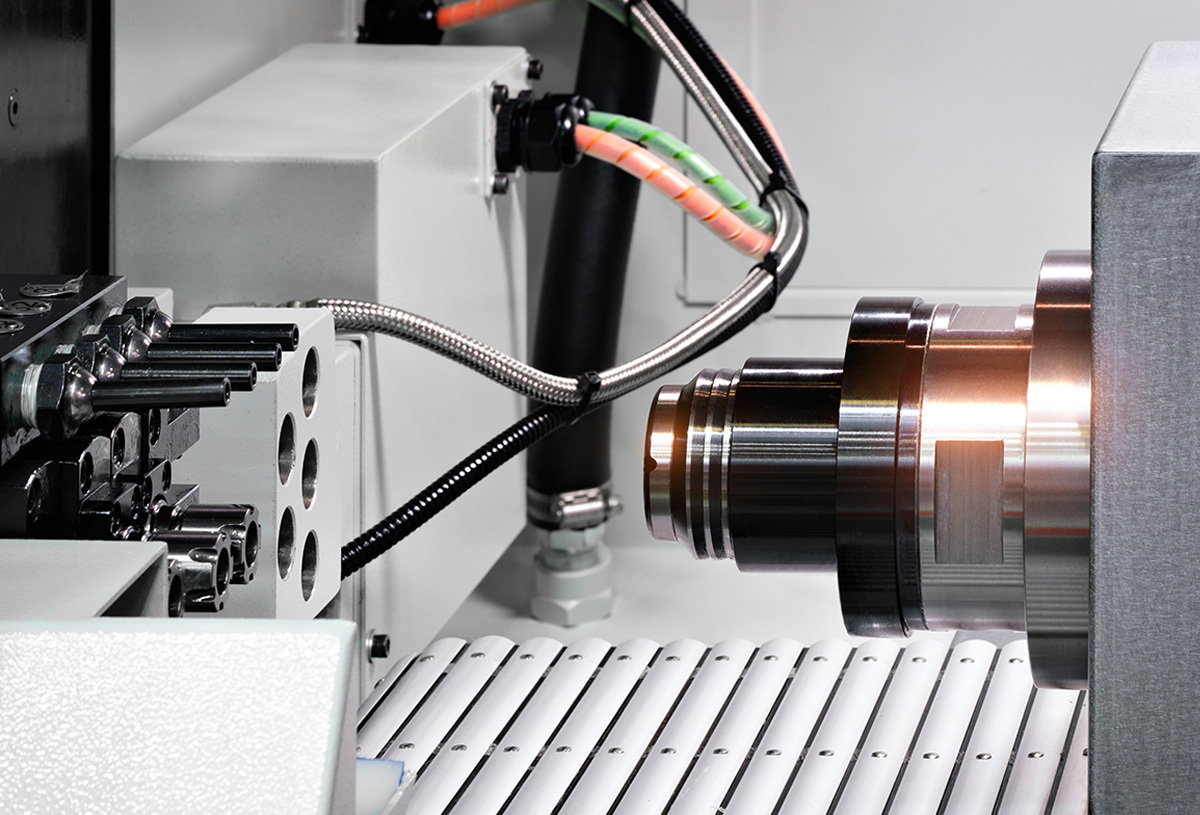
Laser field
Related Products

YVO4
Yttrium alumate (YVO4) is an excellent birefringent crystal material, which is a negative uniaxial crystal. The crystal has good physical and mechanical properties, wide light transmission range, high transmittance, large birefringence coefficient and easy processing. YVO4 crystal can replace ice SPAR and crystal red stone in the field of optical fiber communication, is the key material in optical communication passive devices such as optical isolators, circulators, polarization splitters, polarizers.
Caicite
Caicite Crystal is a kind of natural birefringent material, in the shape of diamond, birefringence coefficient is large, through the spectrum is wide, from visible to near infrared has relatively good optical properties. Although the mechanical strength of Iceland SPAR material is soft and easy to scratch, it still does not affect its wide application in polarization devices. Caicite is mainly used in Glan POLARIZER.
LiNbO3
LiNbO3 is widely used in optical fiber communication as a birefringent crystal. The crystal has good physical and mechanical properties, wide light transmission range, high transmittance, easy processing, and lower material cost than other materials. Lithium niobate crystals are widely used in passive optical communication devices such as optical isolators, circulators, polarization splitters, polarizers, etc
POLARIZING BEAM SPLITTER(PBS)
The polarization splitter prism is plated with a multilayer film structure on the inclined surface of the right Angle prism, and then glued into a cube structure. By taking advantage of the property that the transmission rate of P-polarized light is 1 and that of S-polarized light is less than 1 when the light incident at Brewster Angle, the P polarization component can be completely penetrated after the light passes through the multilayer film structure at Brewster Angle for many times. And most of the S polarization component is reflected. Note: Specific bands and extinction ratios can be customized according to customer requirements.
Product Inquiry
*Note: Please be sure to fill in the information accurately and keep the communication open. We will contact you as soon as possible.
