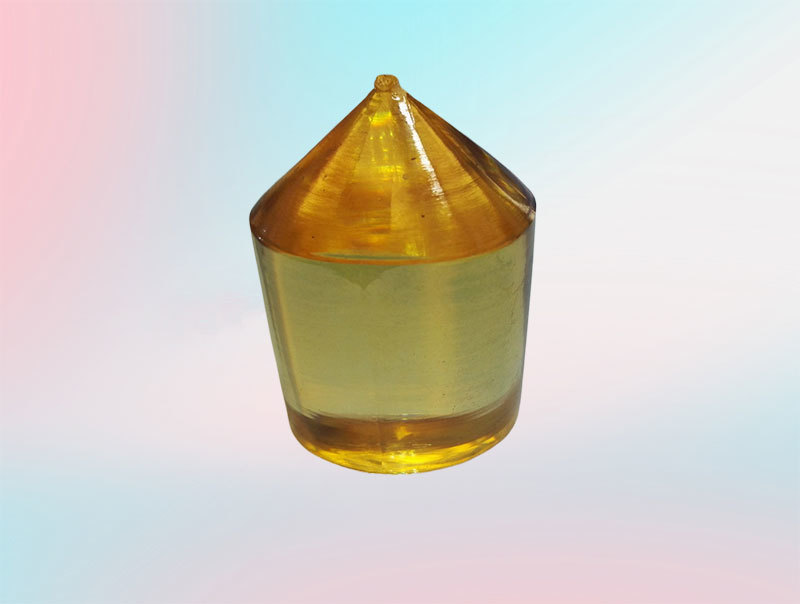
Birefringent crystals are anisotropic optical materials in which the refractive index depends on the polarization and propagation direction of incident light. When unpolarized light enters a birefringent crystal, it splits into two rays known as the ordinary ray and the extraordinary ray, each traveling at a different velocity and along a different path. This phenomenon, called double refraction, arises from the asymmetric arrangement of atoms within the crystal lattice, which causes light waves oscillating in different directions to experience different optical densities. Common natural birefringent crystals include calcite, quartz, and tourmaline, while engineered birefringent materials are widely used in modern optical systems. The degree of birefringence is determined by the difference between the refractive indices of the two rays and is a key parameter in optical design.
In practical applications, birefringent crystals play an essential role in controlling and manipulating light polarization. They are widely used in wave plates, polarizers, optical modulators, laser systems, and liquid crystal displays. By precisely controlling crystal thickness and orientation, engineers can convert linearly polarized light into circularly or elliptically polarized light, or introduce specific phase delays between polarization components. In scientific research, birefringence is also used as a diagnostic tool to study internal stress, molecular orientation, and structural properties of materials through polarized light microscopy. As photonics and optoelectronics continue to advance, birefringent crystals remain fundamental components for high-precision optical control and measurement.