
LiNbO3
Keywords:
China Polarizing optics
Keywords:
LiNbO3
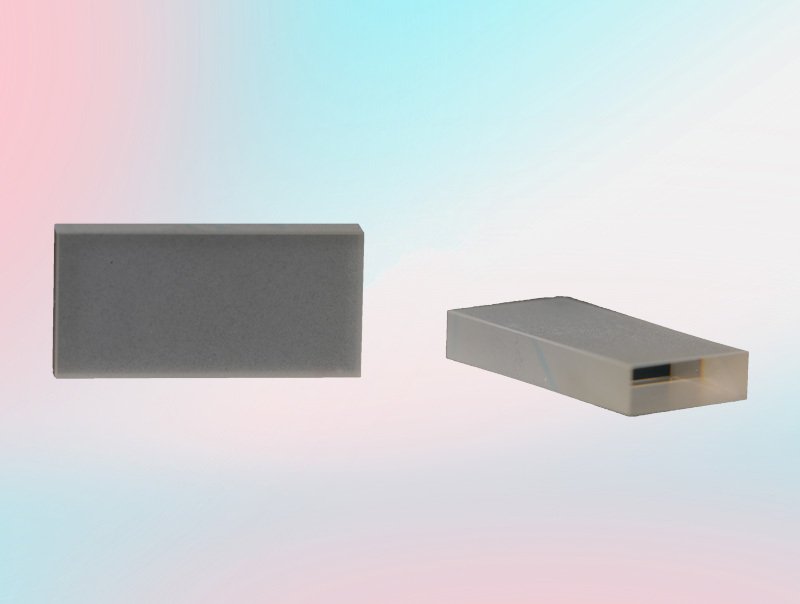
Basic Parameters
LiNbO3 | Processing Index: |
LiNbO3 is widely used in optical fiber communication as a birefringent crystal. The crystal has good physical and mechanical properties, wide light transmission range, high transmittance, easy processing, and lower material cost than other materials. Lithium niobate crystals are widely used in passive optical communication devices such as optical isolators, circulators, polarization splitters, polarizers, etc
| Dimension (mm) Tolerance ±0.1mm |
Angle Tolerance ±0.5° | |
Surface Quality 20/10 | |
Clear Aperture >90% central area | |
Surface Flatness <λ/8@633nm | |
TWD <λ/4@633nm | |
Parallelism <20”Arc sec | |
Perpendicularity <5’Arc min | |
Coating Customization |
Polarized optical components are essential elements in optical systems designed to control, analyze, and manipulate the polarization state of light. These components work by selectively transmitting, reflecting, or modifying light waves based on their polarization direction. Common polarized optical components include polarizers, wave plates, polarization beam splitters, and analyzers, each serving a specific function within an optical path. By filtering unwanted polarization states or converting one polarization form into another, these components improve image clarity, reduce reflections and glare, and enhance measurement accuracy. Their performance depends on material properties, surface coatings, and precise alignment, making them critical in high-precision optical and photonic applications.
In practical use, polarized optical components are widely applied in lasers, imaging systems, scientific instrumentation, telecommunications, and display technologies such as LCDs and OLEDs. In laser systems, they help stabilize beam quality and control power output, while in microscopy and spectroscopy they enable detailed analysis of material structure, stress, and molecular orientation. Polarization control is also vital in fiber-optic communication, where it improves signal integrity and reduces noise. As optical technologies continue to evolve toward higher speeds, smaller devices, and greater accuracy, polarized optical components remain fundamental building blocks for advanced light-based systems.
Solutions
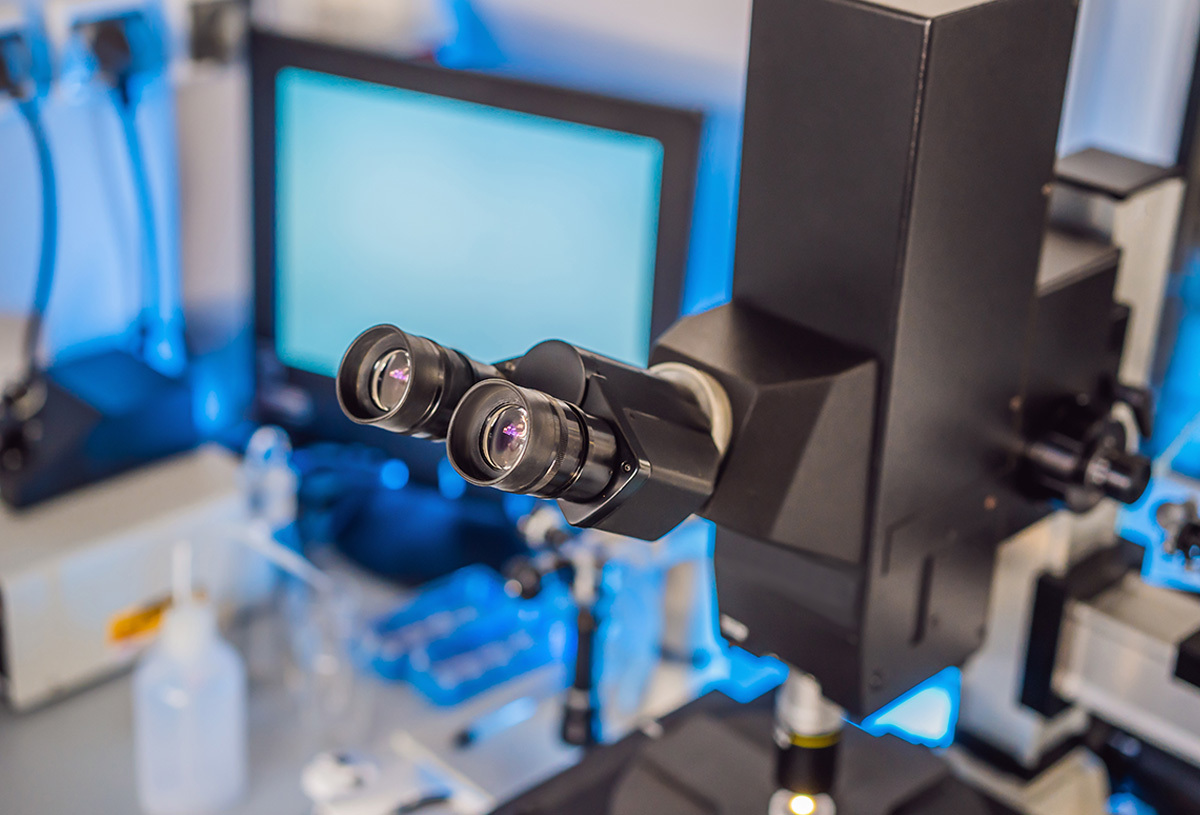
Scientific research and testing field

Aviation field
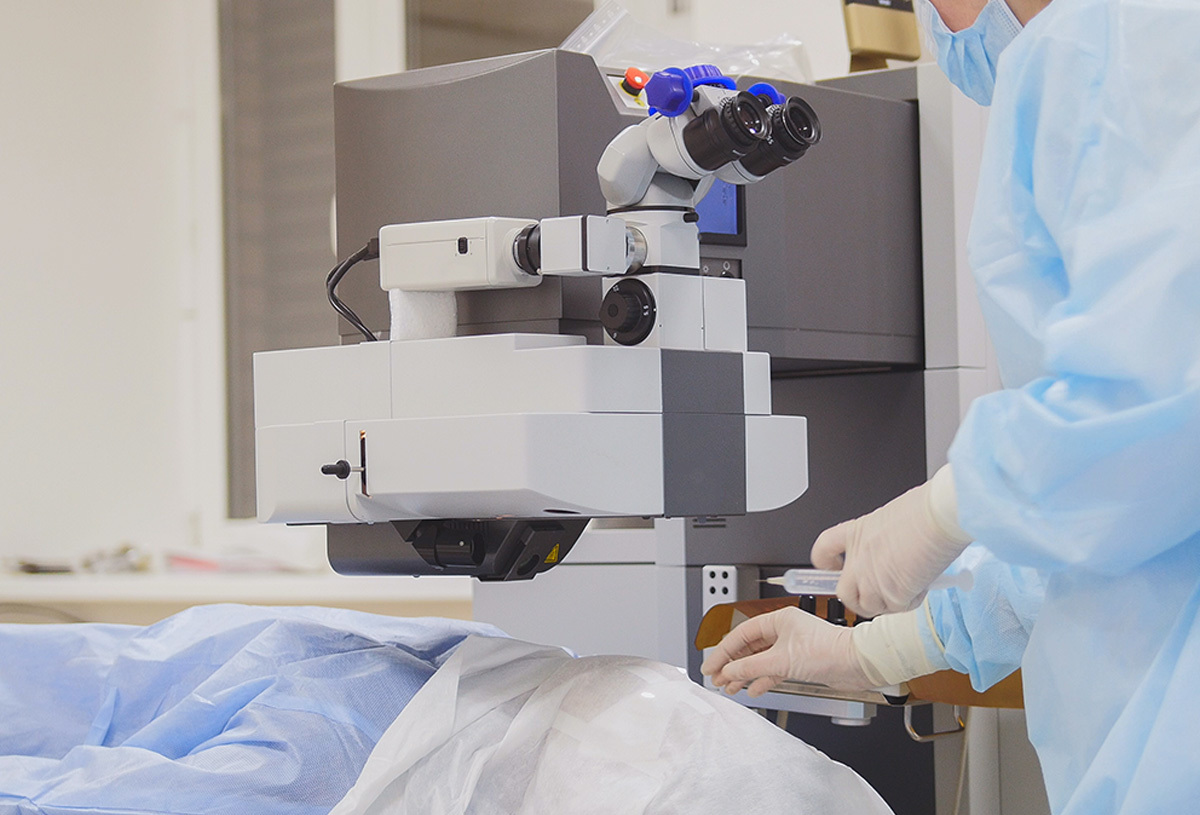
Medical cosmetology field
Laser field
Related Products

YVO4
Yttrium alumate (YVO4) is an excellent birefringent crystal material, which is a negative uniaxial crystal. The crystal has good physical and mechanical properties, wide light transmission range, high transmittance, large birefringence coefficient and easy processing. YVO4 crystal can replace ice SPAR and crystal red stone in the field of optical fiber communication, is the key material in optical communication passive devices such as optical isolators, circulators, polarization splitters, polarizers.
Caicite
Caicite Crystal is a kind of natural birefringent material, in the shape of diamond, birefringence coefficient is large, through the spectrum is wide, from visible to near infrared has relatively good optical properties. Although the mechanical strength of Iceland SPAR material is soft and easy to scratch, it still does not affect its wide application in polarization devices. Caicite is mainly used in Glan POLARIZER.
LiNbO3
LiNbO3 is widely used in optical fiber communication as a birefringent crystal. The crystal has good physical and mechanical properties, wide light transmission range, high transmittance, easy processing, and lower material cost than other materials. Lithium niobate crystals are widely used in passive optical communication devices such as optical isolators, circulators, polarization splitters, polarizers, etc
POLARIZING BEAM SPLITTER(PBS)
The polarization splitter prism is plated with a multilayer film structure on the inclined surface of the right Angle prism, and then glued into a cube structure. By taking advantage of the property that the transmission rate of P-polarized light is 1 and that of S-polarized light is less than 1 when the light incident at Brewster Angle, the P polarization component can be completely penetrated after the light passes through the multilayer film structure at Brewster Angle for many times. And most of the S polarization component is reflected. Note: Specific bands and extinction ratios can be customized according to customer requirements.
Product Inquiry
*Note: Please be sure to fill in the information accurately and keep the communication open. We will contact you as soon as possible.
