
Unveiling the Science and Applications of Optical Prisms in Photonic Devices
Release Time:
2025-12-02
outline: Optical prisms are essential components in the field of photonics and play a significant role in the manipulation of light. These transparent objects, typically made from glass or other optical materials, refract light through their surfaces, resulting in a variety of optical phenomena. Understanding optical prisms is crucial for professionals working in electronic components, particularly in the
One of the fundamental principles governing optical prisms is Snell's Law, which describes how light bends as it passes from one medium to another. When light travels through a prism, it encounters different refractive indices at the surfaces of the prism. This difference in speed results in the bending of light rays, enabling prisms to separate light into its constituent colors, a phenomenon known as dispersion. This property is often utilized in spectrometers and other optical devices that require detailed analysis of the light spectrum.
In addition to dispersion, optical prisms can also invert images, reflect light, and change the polarization of light waves. For instance, a right-angle prism can reflect an incident light beam at a 90-degree angle, making it invaluable in applications such as periscopes and optical instruments. Furthermore, polarizing prisms, such as Nicol prisms, can split light into two polarized beams, which is crucial in various imaging and display technologies.
The versatility of optical prisms extends to numerous applications across various industries. In telecommunications, prisms are used in fiber optic systems to manipulate light signals, enhancing data transmission capabilities. In medical imaging, optical prisms are integral to devices like endoscopes, where they help in directing light to provide clear, illuminated images of internal body structures. Additionally, prisms are commonly found in consumer devices, such as cameras and projectors, where they play a role in improving image quality and depth perception.
Design considerations for optical prisms include factors such as material selection, surface quality, and geometric configuration. High-quality optical materials, such as crown glass or high-index glass, are typically chosen for their excellent transmission properties. Furthermore, surface coatings can be applied to reduce reflections and enhance performance. The precise shape and angle of the prism are also crucial, as they directly affect the degree of light manipulation.
In conclusion, optical prisms are fundamental components in the realm of light manipulation, with diverse applications across multiple sectors. Their ability to refract, reflect, and polarize light makes them indispensable in photonics, telecommunications, imaging systems, and consumer electronics. Understanding the science behind optical prisms enables professionals to leverage their properties effectively, ensuring advancements in technology and improved optical performance.
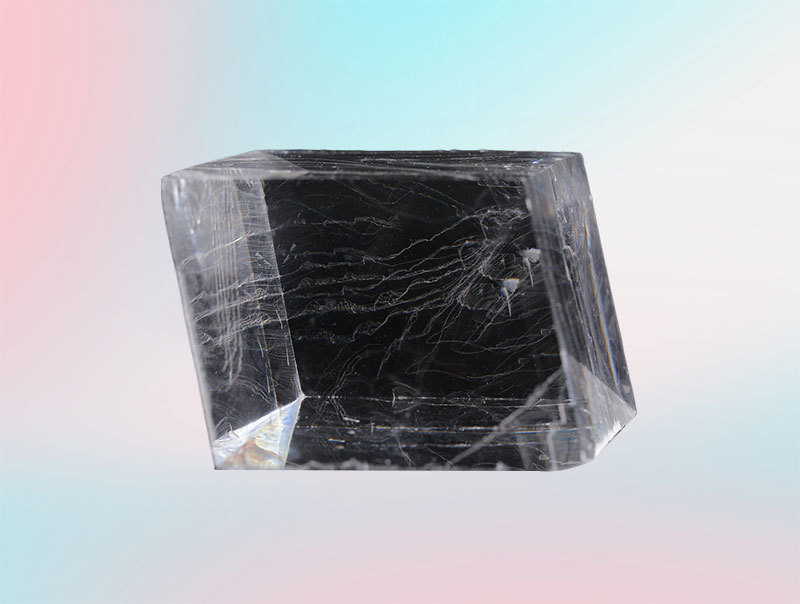
The Advantages of Using Birefringent Crystals in Optical Engineering
outline: The Advantages of Using Birefringent Crystals in Optical Engineering Table of Contents 1. Introduction to Birefringent Crystals 2. Understanding Birefringence 3. Unique Properties of Birefringent Crystals 4. Applications of Birefringent Crystals in Optical Engineering 4.1 Wave Plates 4.2 Polarizers 4.3 Interferometer
2025-12-16
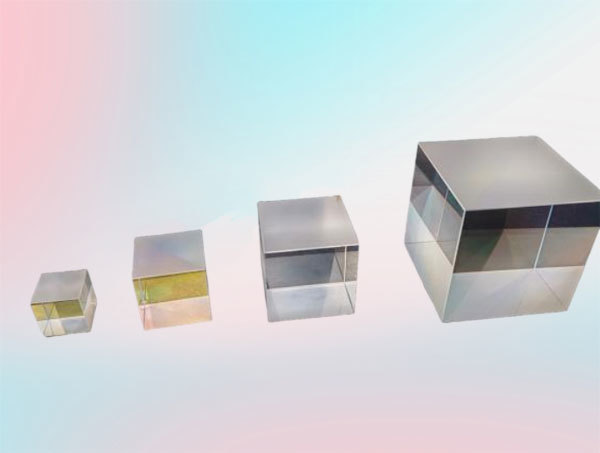
Understanding Polarizing Optics: Enhancing Visual Clarity in Electronics
outline: Polarizing optics is a fascinating field that deals with the behavior of light waves as they interact with materials that can filter and manipulate light. This technology is widely used in various electronic components, especially in optoelectronic devices. Understanding the principles of polarizing optics can significantly enhance the performance of these devices, leading to clearer images and mo
2025-12-14

The Fundamentals of Optical Prism Geometry and Its Practical Applications
outline: The Fundamentals of Optical Prism Geometry and Its Practical Applications Table of Contents 1. Introduction to Optical Prisms 2. Understanding Geometric Properties of Prisms 3. Types of Optical Prisms 4. Light Refraction in Prisms 5. Applications of Optical Prisms 5.1 Prisms in Optical Instruments 5.2 Prisms in Spectroscopy 5.3 Pris
2025-12-12