
Understanding Crystal Polarizers: Key Insights for the Optoelectronics Industry
Release Time:
2026-01-02
outline: Crystal polarizers are critical components in the optoelectronics field, particularly valued for their ability to manipulate light. These devices are designed to allow light waves of a specific polarization to pass through while blocking others, making them indispensable in various applications. In this article, we will delve into the fundamental properties, applications, and considerations surrou
One of the primary functions of crystal polarizers is to enhance image quality in display technologies. Whether in televisions, smartphones, or other digital displays, these polarizers reduce glare and improve contrast by filtering out unwanted light. This capability makes them a crucial element in ensuring that displays render vibrant and clear images, which is especially important in high-resolution applications.
In addition to display technology, crystal polarizers find extensive use in optical sensors and imaging systems. By utilizing the unique properties of polarized light, these devices can enhance the sensitivity and accuracy of measurements. For instance, in biological imaging, polarizers help reduce background noise, allowing for clearer visualization of samples. Understanding how crystal polarizers can optimize sensor performance can lead to significant improvements in product design and functionality.
When selecting crystal polarizers for specific applications, it is essential to consider various factors, including wavelength range, thickness, and the type of substrate used. The choice of material can significantly impact the polarizer's efficiency and durability. Common materials include lithium niobate and calcite, each offering unique advantages depending on the intended use. Furthermore, the angle of incidence and the alignment of the polarizer can also influence its performance, highlighting the importance of precise engineering in integrating these components into systems.
Another critical consideration is the environmental factors that may affect crystal polarizers. These components must be designed to withstand various conditions, including temperature fluctuations and humidity, to ensure consistent performance over time. Engaging with reliable suppliers who understand the nuances of crystal polarizers and can provide tailored solutions is vital for achieving optimal results.
In conclusion, crystal polarizers are an integral part of the optoelectronics industry, playing a significant role in improving the functionality and performance of various electronic components. By understanding their properties, applications, and selection criteria, professionals in the field can make informed decisions that enhance product development and innovation. Whether for improving display technologies or optimizing sensor systems, the strategic use of crystal polarizers can lead to significant advancements in various applications within the industry.

The Intricacies and Applications of Polarized Optical Components in Photonics
outline: Polarized optical components play a pivotal role in the field of photonics, enabling the control and manipulation of light in various applications. These components are designed to filter, reflect, and transmit light waves based on their polarization state, enhancing the performance of optical systems. The primary function of polarized optical components is to separate light waves into distinct po
2026-02-02

Polarizing Optics Drive New Advances in Precision Imaging and Photonics
outline: Polarizing optics control light polarization to reduce glare, enhance contrast, and enable precise analysis in optical and photonic systems
2026-02-02
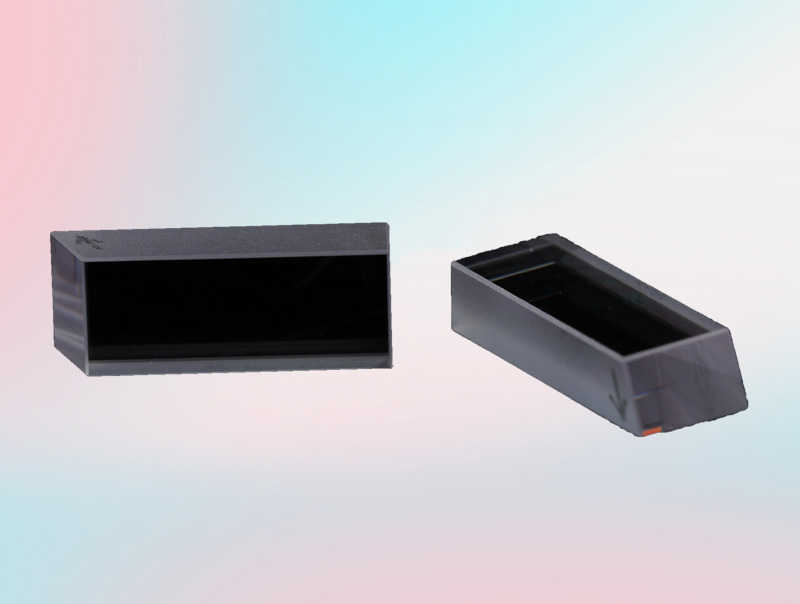
How Birefringent Crystals Impact the Performance of Light-Based Technologies
outline: How Birefringent Crystals Impact the Performance of Light-Based Technologies Introduction to Birefringent Crystals Birefringent crystals, defined by their unique optical properties, exhibit a phenomenon wherein light is refracted into two distinct rays when passing through them. This property arises from the anisotropic nature of the crystal structure, which leads to different light velocities
2026-01-31