
Understanding Optical Prisms: Essential Components in Photonic Applications
Release Time:
2026-02-26
outline: Optical prisms are fundamental components used in a variety of photonic applications, serving crucial roles in the manipulation and management of light. These transparent solids are typically made from glass or other optically clear materials and are designed with specific geometries to refract, reflect, or disperse light. Understanding the functionality and types of optical prisms can greatly enh
At their core, optical prisms work on the principle of refraction, where light changes direction as it passes from one medium to another. The angle of incidence and the refractive index of the material determine how much the light bends. This optical phenomenon is essential for designing and optimizing imaging systems, lasers, and other light-based technologies. For example, prisms can redirect light paths, creating desired angles and orientations essential for maintaining the integrity of optical signals.
Several types of optical prisms serve different purposes in electronic and photonic devices. The most common types include triangular prisms, which can be used for simple light dispersion; right-angle prisms, typically employed in periscopes and endoscopes; and beam splitter prisms, which divide light into two separate beams. Each prism type has unique properties that cater to specific applications, making them invaluable in fields such as telecommunications, laser technology, and optical sensing.
Optical prisms also play a vital role in enhancing the performance of optical systems. By incorporating these components into devices, engineers can improve light transmission efficiency, reduce distortion, and enhance color separation, which is particularly important in high-resolution imaging applications. Furthermore, prisms can aid in the design of more compact optical systems by redirecting light paths without the need for extensive lens configurations.
In recent years, advancements in material science have led to the development of specialized optical prisms that provide better performance characteristics. For instance, the introduction of new low-dispersion materials allows for clearer and more accurate light transmission, minimizing losses and maximizing efficiency. This progress is crucial as industries demand higher precision and reliability in their optical systems.
In conclusion, optical prisms are indispensable components in the realm of electronic and photonic devices. Their ability to manipulate light through refraction and reflection makes them essential for a wide range of applications, from simple optical devices to complex imaging systems. By understanding the various types and functionalities of optical prisms, professionals in the photonics industry can leverage their capabilities to design innovative solutions that meet the evolving demands of modern technology.
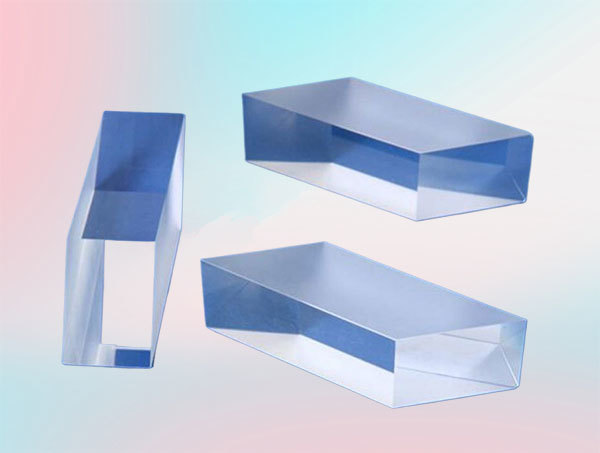
Understanding Optical Prisms: Essential Components in Photonic Applications
outline: Optical prisms are fundamental components used in a variety of photonic applications, serving crucial roles in the manipulation and management of light. These transparent solids are typically made from glass or other optically clear materials and are designed with specific geometries to refract, reflect, or disperse light. Understanding the functionality and types of optical prisms can greatly enh
2026-02-26
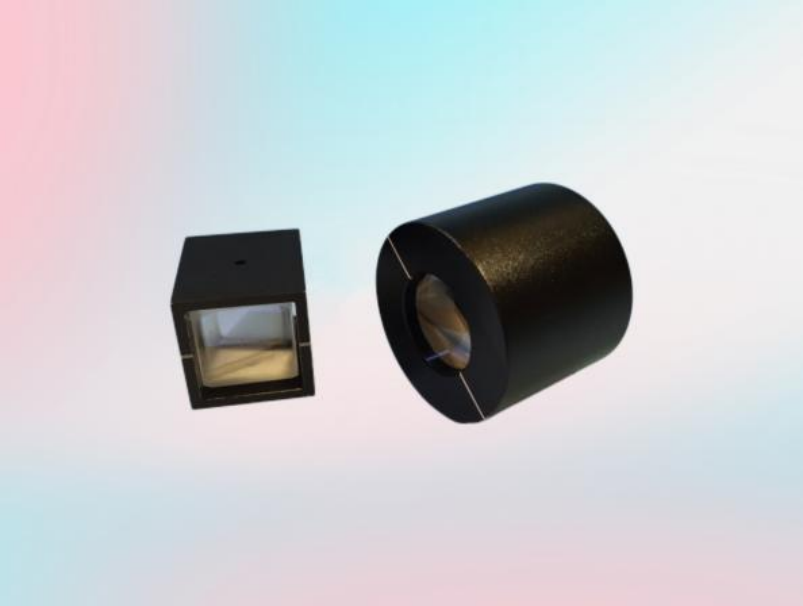
From Basics to Advanced: Mastering the Use of Crystal Polarizers
outline: From Basics to Advanced: Mastering the Use of Crystal Polarizers Table of Contents Introduction to Crystal Polarizers Understanding Polarization in Light Types of Crystal Polarizers How Crystal Polarizers Work Applications of Crystal Polarizers Choosing the Right Crystal Polarizer for Your Needs Proper Installation and Handling Techniques Advanced Techniques in Usi
2026-02-24
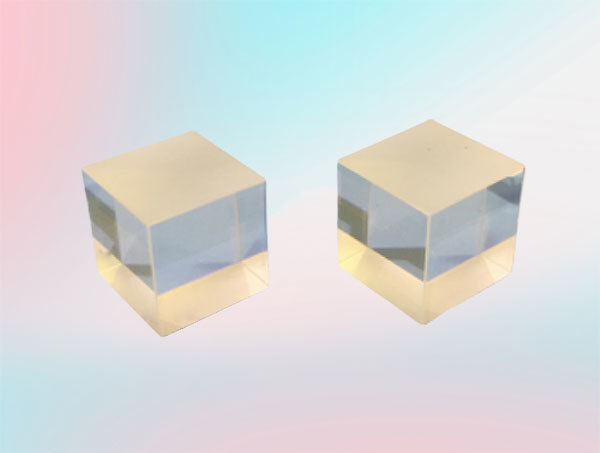
outline: Polarized optical components play a vital role in the optoelectronic industry, particularly in applications where control over light behavior is essential. These components are engineered to filter light waves, allowing only those waves oscillating in a specific direction to pass through. This property is crucial for various applications, including imaging systems, communication technologies, and
2026-02-22