
The Impact of Crystal Polarizers on Light Control in Optoelectronic Devices
Release Time:
2026-03-16
outline: The Impact of Crystal Polarizers on Light Control in Optoelectronic Devices Introduction to Crystal Polarizers Crystal polarizers are essential components in the realm of optoelectronic devices. They manipulate light in profound ways, enabling precise control over various optical phenomena. This article will explore the significance of crystal polarizers, elucidate their working principles, and hi
The Impact of Crystal Polarizers on Light Control in Optoelectronic Devices
Introduction to Crystal Polarizers
Crystal polarizers are essential components in the realm of optoelectronic devices. They manipulate light in profound ways, enabling precise control over various optical phenomena. This article will explore the significance of crystal polarizers, elucidate their working principles, and highlight their applications in modern technology.
What Are Crystal Polarizers?
Crystal polarizers are optical devices made from birefringent materials, which can split light into two distinct polarized beams. They are primarily utilized to filter light waves, ensuring that only waves of a specific orientation pass through. This property is crucial in applications where light control is paramount, such as in cameras, displays, and sensors.
The Science Behind Crystal Polarization
The operation of crystal polarizers is grounded in the physics of light. Light is an electromagnetic wave that oscillates in various directions. Birefringent materials exhibit different refractive indices based on the polarization direction of the light. By aligning the crystal structure, these materials can selectively allow one polarization state to transmit while blocking the other.
The Birefringent Effect
Birefringence occurs when a material has two different indices of refraction. For instance, in a crystal like calcite, when unpolarized light enters, it splits into two polarized rays: the ordinary ray and the extraordinary ray. This unique property of birefringent materials makes them ideal for creating effective polarizers.
Applications of Crystal Polarizers
Crystal polarizers have a wide array of applications in various fields, significantly impacting technology and research.
1. Optical Communication Systems
In optical communication systems, crystal polarizers enhance data transmission by reducing signal noise. They ensure that light signals travel efficiently through fiber optics, leading to clearer and more reliable communication.
2. Camera and Imaging Technologies
In photography, crystal polarizers are used to minimize glare and reflections, improving image quality. They allow photographers to capture vibrant colors and enhance contrast, making them indispensable tools in both professional and amateur photography.
3. Liquid Crystal Displays (LCDs)
Crystal polarizers play a vital role in the functioning of LCD technology. They help control light passage through the liquid crystals, facilitating the creation of images on screens. By managing polarization, they contribute to the energy efficiency and performance of displays.
4. Sensors and Detectors
In various sensor applications, crystal polarizers assist in detecting changes in light intensity and polarization. This capability is crucial for high-precision devices used in scientific research and industrial applications.
Advantages of Using Crystal Polarizers
The integration of crystal polarizers in optoelectronic devices brings several benefits, thereby enhancing their overall performance.
1. Enhanced Light Control
One of the primary advantages of crystal polarizers is their ability to provide exceptional control over light. This capability allows for fine-tuning in various applications, from telecommunications to consumer electronics.
2. Improved Image Quality
Crystal polarizers significantly enhance image quality in optical devices by reducing unwanted reflections and glare. This improvement is particularly beneficial in photography and display technologies, leading to sharper and more vibrant visuals.
3. Increased Energy Efficiency
By optimizing light transmission, crystal polarizers improve energy efficiency in optoelectronic systems. This leads to lower power consumption and extended device lifespan, an essential factor in modern electronic design.
Challenges and Considerations in Using Crystal Polarizers
While crystal polarizers offer numerous benefits, there are challenges associated with their use that need careful consideration.
1. Material Limitations
The performance of crystal polarizers largely depends on the quality of the birefringent material used. Variations in material properties can lead to inconsistencies in polarization efficiency.
2. Alignment Issues
Proper alignment of crystal polarizers is critical to achieving optimal performance. Misalignment can result in reduced effectiveness, highlighting the need for precision in manufacturing and installation.
Future Trends in Crystal Polarizer Technology
The field of crystal polarizers is continually evolving, with advancements promising to enhance their functionality and applications.
1. Nanotechnology Enhancements
Emerging nanotechnology is expected to revolutionize crystal polarizers by enabling the creation of materials with tailored optical properties at the nanoscale. This could lead to more efficient and versatile polarizers.
2. Integration with Advanced Optoelectronic Systems
As optoelectronic systems become more complex, the integration of advanced crystal polarizers could enhance their performance. This synergy could lead to innovative applications in augmented reality, virtual reality, and beyond.
FAQs About Crystal Polarizers
1. What is the primary function of a crystal polarizer?
Crystal polarizers primarily function to filter light based on its polarization, allowing only specific orientations of light waves to transmit through.
2. How do crystal polarizers enhance image quality?
By reducing glare and reflections, crystal polarizers improve contrast and color vibrancy in images, making them essential in photography and display technologies.
3. Are there different types of crystal polarizers?
Yes, there are various types of crystal polarizers, including linear and circular polarizers, each serving distinct purposes based on the application.
4. Can crystal polarizers be used in all light conditions?
While crystal polarizers are effective in many lighting conditions, their performance may vary depending on the angle and intensity of the incoming light.
5. What materials are commonly used for crystal polarizers?
Common materials for crystal polarizers include calcite, quartz, and various synthetic birefringent compounds, each chosen for their unique optical properties.
Conclusion
In summary, crystal polarizers have a profound impact on light control in optoelectronic devices, facilitating advancements in technology across various industries. Their ability to manipulate light enhances performance, improves image quality, and increases energy efficiency. As technology continues to advance, crystal polarizers will play an increasingly vital role, paving the way for innovative applications and improved optical systems. Understanding their function and value empowers engineers and researchers to harness their potential in shaping the future of optoelectronics.
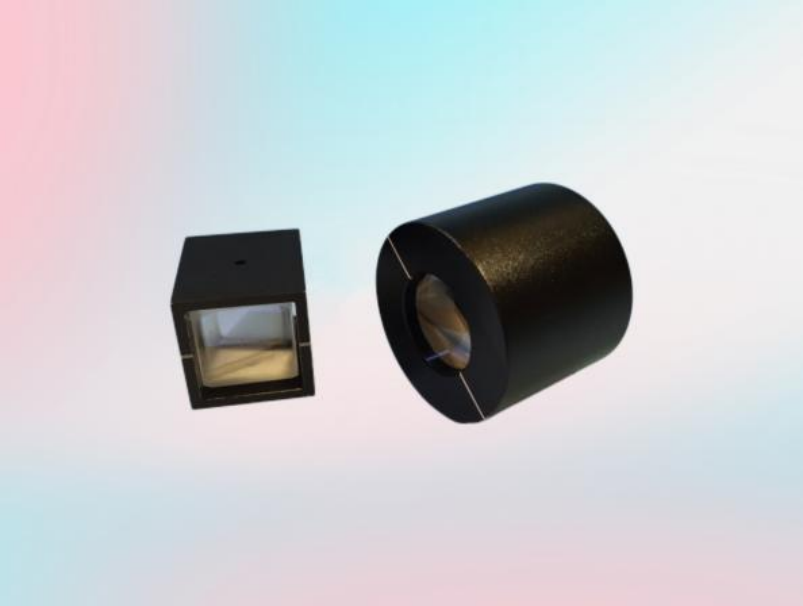
The Impact of Crystal Polarizers on Light Control in Optoelectronic Devices
outline: The Impact of Crystal Polarizers on Light Control in Optoelectronic Devices Introduction to Crystal Polarizers Crystal polarizers are essential components in the realm of optoelectronic devices. They manipulate light in profound ways, enabling precise control over various optical phenomena. This article will explore the significance of crystal polarizers, elucidate their working principles, and hi
2026-03-16
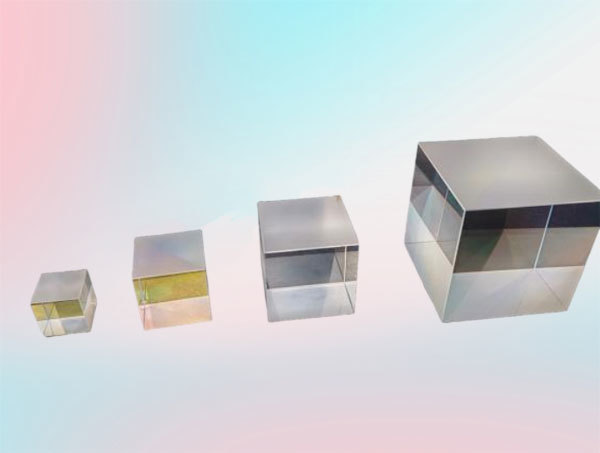
Understanding Polarized Optical Components: Enhancing Optical Performance in Electronic Devices
outline: Polarized optical components are essential elements in the realm of optics, particularly within the electronics industry. They play a vital role in improving the performance of optical systems by controlling light behavior. The basic principle behind polarization involves the orientation of light waves. Light, which travels in a wave-like manner, can oscillate in multiple directions. However, pola
2026-03-14
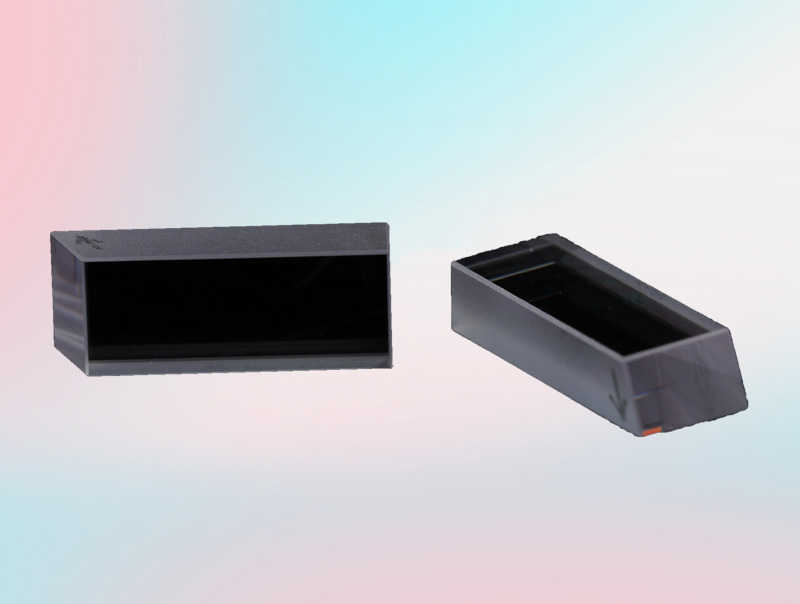
Innovative Applications of Birefringent Crystals in the Electronics Industry
outline: Innovative Applications of Birefringent Crystals in the Electronics Industry Table of Contents 1. Introduction to Birefringent Crystals 2. Understanding Birefringence: The Science Behind It 3. Applications of Birefringent Crystals in Electronics 3.1 Birefringent Crystals in Display Technology 3.2 Impact on Telecommunications 3.3 Enhancement
2026-03-12