
Understanding Birefringent Crystals: Their Role in Optoelectronic Devices
Release Time:
2026-03-19
outline: Birefringent crystals are materials that exhibit different refractive indices based on the polarization and propagation direction of light passing through them. This phenomenon, known as birefringence, arises from the crystal's anisotropic structure, where the arrangement of atoms is not uniform in all directions. Common examples of birefringent crystals include calcite, quartz, and certain types
One of the primary uses of birefringent crystals is in optical devices such as polarizers and wave plates. When unpolarized light enters a birefringent crystal, it splits into two rays, each traveling at different velocities. This separation of light allows for the manipulation of its polarization state. For instance, a half-wave plate can convert linearly polarized light into circularly polarized light, whereas a quarter-wave plate can achieve the opposite effect. These functionalities are crucial in applications ranging from telecommunications to advanced imaging techniques.
Furthermore, birefringent crystals play a significant role in the development of optical modulators and switches. By leveraging their unique ability to alter light's polarization, engineers can design devices that control light transmission in high-speed data communication systems. This capability is essential for enhancing bandwidth and transmission efficiency, making birefringent crystals a key component in modern optoelectronic devices.
Another interesting aspect of birefringent crystals is their application in optical sensors. These sensors can detect changes in environmental conditions, such as temperature and pressure, by monitoring the variations in light polarization. As a result, birefringent crystals are used in various fields, including industrial monitoring, medical diagnostics, and scientific research.
In summary, birefringent crystals are integral to the advancement of optoelectronic technologies. Their unique optical properties allow for the manipulation of light in multiple ways, making them pivotal in the development of advanced optical devices, sensors, and communication systems. As research into these fascinating materials continues to grow, we can expect to see even more innovative applications emerge in the field of electronics and photonics, further solidifying their importance in modern technology.
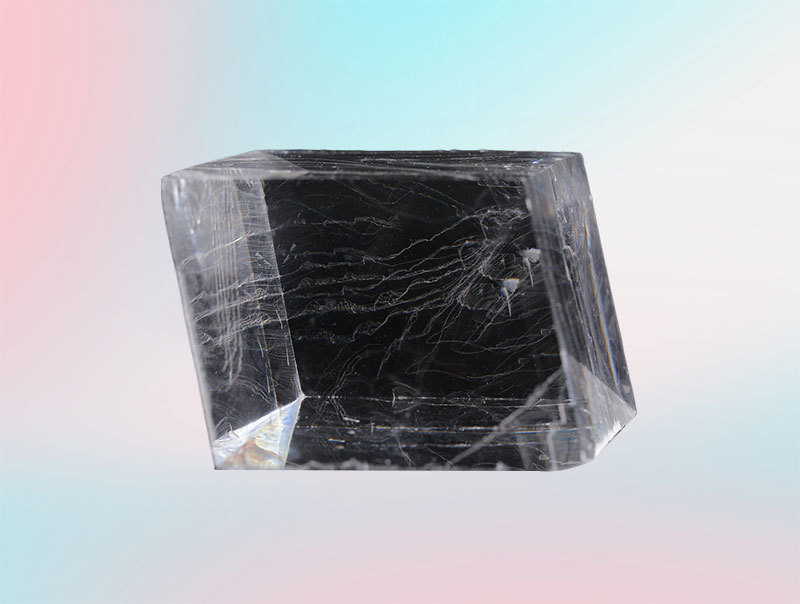
Understanding Birefringent Crystals: Their Role in Optoelectronic Devices
outline: Birefringent crystals are materials that exhibit different refractive indices based on the polarization and propagation direction of light passing through them. This phenomenon, known as birefringence, arises from the crystal's anisotropic structure, where the arrangement of atoms is not uniform in all directions. Common examples of birefringent crystals include calcite, quartz, and certain types
2026-03-19

The Impact of Crystal Polarizers on Light Control in Optoelectronic Devices
outline: The Impact of Crystal Polarizers on Light Control in Optoelectronic Devices Introduction to Crystal Polarizers Crystal polarizers are essential components in the realm of optoelectronic devices. They manipulate light in profound ways, enabling precise control over various optical phenomena. This article will explore the significance of crystal polarizers, elucidate their working principles, and hi
2026-03-16
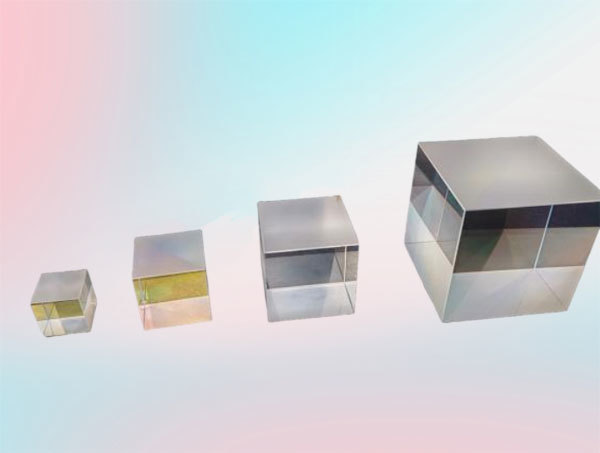
Understanding Polarized Optical Components: Enhancing Optical Performance in Electronic Devices
outline: Polarized optical components are essential elements in the realm of optics, particularly within the electronics industry. They play a vital role in improving the performance of optical systems by controlling light behavior. The basic principle behind polarization involves the orientation of light waves. Light, which travels in a wave-like manner, can oscillate in multiple directions. However, pola
2026-03-14