
The Science and Applications of Crystal Polarizers in Optoelectronics
Release Time:
2026-04-24
outline: Crystal polarizers are essential components in the field of optoelectronics, primarily used to manipulate light for various applications. These optical devices exploit the anisotropic properties of certain crystalline materials to selectively transmit light waves with specific polarization states. In essence, a crystal polarizer can filter out light waves oriented in a particular direction while a
The working principle behind crystal polarizers is based on the phenomenon of birefringence, a property found in many crystalline materials. Birefringent crystals, such as calcite or lithium niobate, exhibit different refractive indices depending on the polarization direction of the incoming light. When unpolarized light enters a crystal polarizer, it splits into two beams, each polarized in different directions. One of these beams is transmitted, while the other is absorbed or reflected, resulting in a polarized output.
Crystal polarizers come in various forms, including linear and circular polarizers. Linear polarizers allow light waves oscillating in a single plane to pass through while blocking all others. In contrast, circular polarizers are designed to manipulate the light's phase, allowing for the passage of circularly polarized light. These different types serve specific purposes in imaging systems, displays, and other optical devices.
One of the primary applications of crystal polarizers is in liquid crystal displays (LCDs), widely used in televisions, computer monitors, and mobile devices. The integration of polarizers in LCD technology enhances image quality by reducing glare and improving contrast. Additionally, they are utilized in 3D cinema and photography, where polarizers help achieve depth perception by managing light polarization between the left and right eyes.
Crystal polarizers also find uses in scientific research and optical instrumentation. They are employed in polarimetry, a technique used to measure the optical activity of substances. This application is crucial in fields such as chemistry and biology, where understanding molecular structures and interactions is essential.
In summary, crystal polarizers are integral to various optoelectronic applications, serving to enhance image quality, improve device performance, and facilitate advanced scientific measurements. Their unique ability to manipulate light through the principles of birefringence makes them indispensable in modern technology. Understanding the nuances of crystal polarizers can give professionals in the electronics industry a significant advantage in designing and implementing cutting-edge optical solutions.

Understanding Crystal Polarizers: Essential Components in Optoelectronic Devices
outline: Crystal polarizers are vital components in the field of optoelectronics, playing a crucial role in the manipulation of light. They are designed to filter and polarize light waves, allowing only specific orientations of light to pass through. This capability is essential in various applications, from LCD displays to optical communication systems. The core principle of crystal polarizers revolves ar
2026-10-21
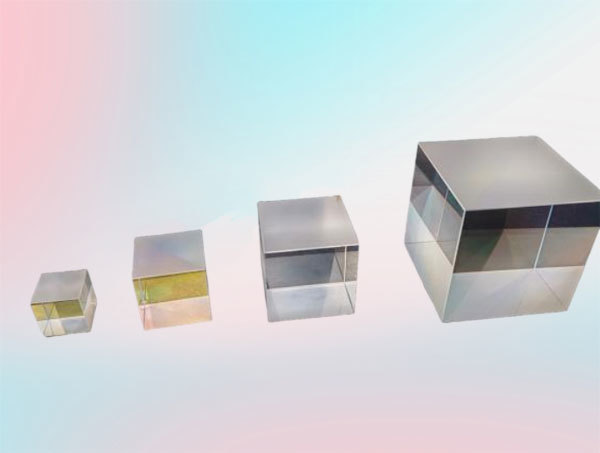
The Importance of Polarization in Optical Systems: Key Takeaways for Enhanced Performance
outline: The Importance of Polarization in Optical Systems: Key Takeaways Table of Contents 1. Introduction to Polarization in Optical Systems 2. Understanding Polarization: A Deeper Dive 3. Types of Polarization: Linear, Circular, and Elliptical 4. The Impact of Polarization on Optical Systems 5. Applications of Polarization in Various Fields 6. The Role of Polarization in Communi
2026-10-18
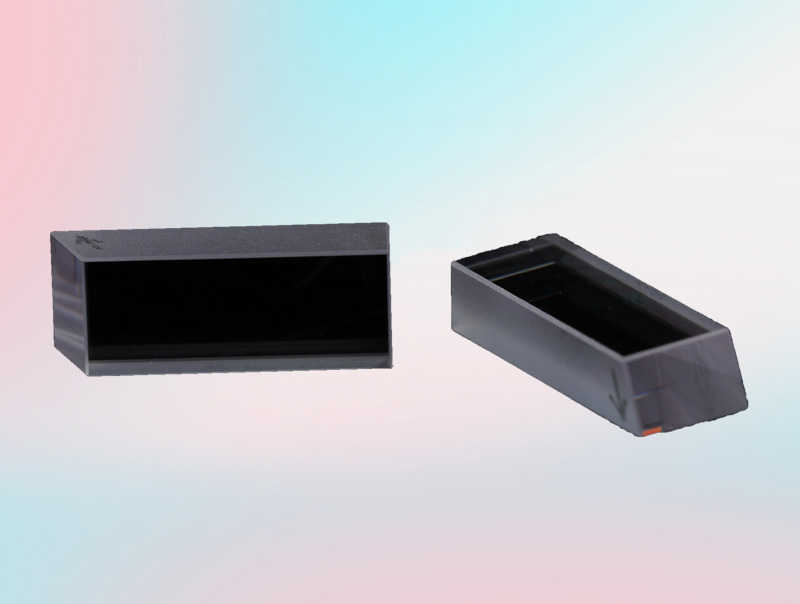
Understanding Birefringent Crystals: The Key to Advancing Optoelectronic Devices
outline: Birefringent crystals, also known as double refracting crystals, are materials that exhibit different refractive indices depending on the polarization and propagation direction of light. This phenomenon occurs due to the internal structure of the crystal, which leads to the splitting of light into two rays when it passes through the material. The unique optical properties of birefringent crystals
2026-10-15
