
Understanding Polarized Optical Components: A Key Element in Photonic Applications
Release Time:
2026-05-06
outline: Polarized optical components are essential elements in various photonic applications, playing a crucial role in manipulating light for specific purposes. These components are designed to filter or modify the polarization state of light waves, which can enhance the performance of optical systems. Understanding how these components work and where they are applied can greatly benefit those involved i
Polarization refers to the orientation of light waves in relation to their direction of propagation. Natural light consists of waves vibrating in multiple planes, while polarized light vibrates predominantly in a single plane. Polarized optical components, such as polarizers, beam splitters, and waveplates, are designed to control this polarization state.
One of the primary applications of polarized optical components is in imaging systems. By utilizing polarizers, unwanted glare and reflections can be significantly reduced, resulting in clearer images. This is particularly beneficial in applications such as photography, LCD screens, and various optical instruments. For instance, polarizers are commonly used in sunglasses to block out horizontal light waves, improving visual comfort and clarity.
In the realm of telecommunications, polarized optical components are vital for fiber optic communication systems. By using polarization-maintaining fibers and components, it is possible to transmit data more efficiently and with less signal loss. This enhances the overall reliability and speed of communication networks, which is crucial in today’s fast-paced information society.
Additionally, polarized optical components are extensively used in scientific research. Instruments like microscopes and spectrometers often incorporate these components to enhance contrast and resolution. In materials science, polarized light can reveal stress patterns in transparent materials, aiding in the analysis of material properties.
Furthermore, the integration of polarized optical components into emerging technologies, such as augmented reality (AR) and virtual reality (VR), is becoming increasingly important. These technologies rely on precise control of light to create immersive experiences, and polarized components help achieve the desired visual effects.
In summary, polarized optical components are indispensable tools in a wide array of applications within the electronics and photonics sectors. Their ability to manipulate and enhance light makes them crucial for improving image quality, boosting data transmission efficiency, and advancing scientific research. As technology continues to evolve, the demand for these components will likely increase, further solidifying their importance in modern optical systems. Understanding their functionality and applications can provide valuable insights for professionals looking to leverage these tools in their projects and innovations.

Understanding Optical Prisms: Essential Components in Photonics
outline: Optical prisms are fundamental elements in the realm of photonics, serving a myriad of functions across various applications. These transparent devices are typically made from materials like glass or crystal and are designed to bend or refract light. The principles governing their operation are based on Snell's Law, which describes how light changes direction when it passes from one medium to anot
2026-05-12
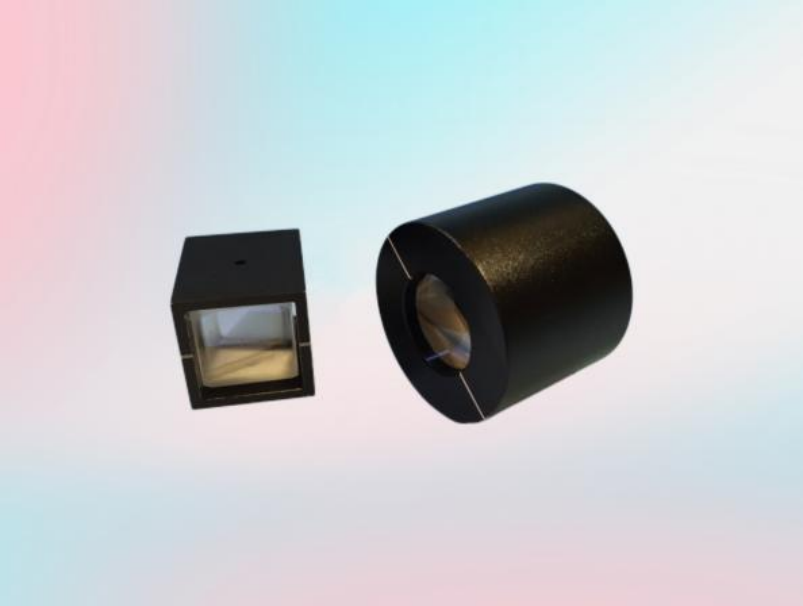
Crystal Polarizers vs. Traditional Filters: Which Is Right for You?
outline: Crystal Polarizers vs. Traditional Filters: Which Is Right for You? Table of Contents 1. Introduction to Optical Components 2. Understanding Polarization and Its Importance 3. What Are Crystal Polarizers? 4. Benefits of Crystal Polarizers 5. Traditional Filters Explained 6. Advantages of Traditional Filters 7. Key Differences Between Crystal Polarizers and Traditional Filters 8. A
2026-05-09
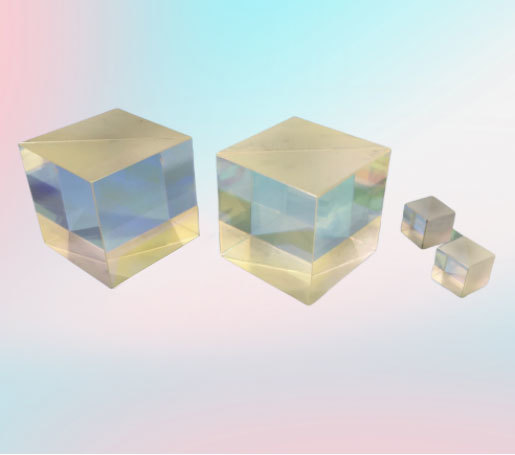
Understanding Polarized Optical Components: A Key Element in Photonic Applications
outline: Polarized optical components are essential elements in various photonic applications, playing a crucial role in manipulating light for specific purposes. These components are designed to filter or modify the polarization state of light waves, which can enhance the performance of optical systems. Understanding how these components work and where they are applied can greatly benefit those involved i
2026-05-06