
Crystal Polarizers vs. Traditional Filters: Which Is Right for You?
Release Time:
2026-05-09
outline: Crystal Polarizers vs. Traditional Filters: Which Is Right for You? Table of Contents 1. Introduction to Optical Components 2. Understanding Polarization and Its Importance 3. What Are Crystal Polarizers? 4. Benefits of Crystal Polarizers 5. Traditional Filters Explained 6. Advantages of Traditional Filters 7. Key Differences Between Crystal Polarizers and Traditional Filters 8. A
Crystal Polarizers vs. Traditional Filters: Which Is Right for You?
Table of Contents
- 1. Introduction to Optical Components
- 2. Understanding Polarization and Its Importance
- 3. What Are Crystal Polarizers?
- 4. Benefits of Crystal Polarizers
- 5. Traditional Filters Explained
- 6. Advantages of Traditional Filters
- 7. Key Differences Between Crystal Polarizers and Traditional Filters
- 8. Application Scenarios: When to Use Each
- 9. Cost Considerations: Crystal Polarizers vs. Traditional Filters
- 10. Frequently Asked Questions
- 11. Conclusion
1. Introduction to Optical Components
In the intricate world of optics, professionals often grapple with choices that can significantly influence the quality and efficiency of their projects. Among these choices, crystal polarizers and traditional filters stand out as essential components for various applications. Understanding the unique characteristics and benefits of each can guide you in selecting the right tool for your optical needs.
2. Understanding Polarization and Its Importance
Polarization refers to the orientation of light waves as they travel through space. Unlike unpolarized light, which vibrates in multiple planes, polarized light oscillates in a single direction. This property makes polarization vital in many optical applications, from photography to telecommunications. By controlling light polarization, we can enhance image clarity, improve contrast, and reduce glare, making polarization a critical element in lens and filter design.
3. What Are Crystal Polarizers?
Crystal polarizers are optical devices designed to selectively transmit polarized light while blocking light waves vibrating in other orientations. Typically constructed from birefringent materials such as calcite or quartz, these polarizers exploit the unique properties of crystals to achieve high levels of polarization. Their effectiveness makes them popular in scientific research, imaging systems, and various industrial applications.
4. Benefits of Crystal Polarizers
Crystal polarizers offer several significant advantages:
4.1 High Polarization Efficiency
Crystal polarizers can achieve high degrees of polarization, often exceeding 99%. This efficiency results in clearer images with reduced glare, making them ideal for applications requiring precise light control.
4.2 Superior Optical Quality
Due to their crystalline structure, these polarizers provide excellent optical quality, minimizing distortion and ensuring accurate color reproduction. This characteristic is crucial in fields like microscopy and photography.
4.3 Robustness and Durability
Crystal polarizers are typically more robust than traditional filters. They withstand a wide range of environmental conditions, including temperature fluctuations, making them suitable for demanding industrial applications.
5. Traditional Filters Explained
Traditional filters, often made from dyed glass or polymer materials, serve to block certain wavelengths of light while allowing others to pass through. They are commonly used in photography, visual displays, and various optical applications to manipulate light properties. Traditional filters come in various types, including neutral density, color, and UV filters, each designed for specific use cases.
6. Advantages of Traditional Filters
Traditional filters possess unique benefits that make them valuable in specific contexts:
6.1 Cost-Effectiveness
Generally, traditional filters are more affordable than crystal polarizers. Their lower cost makes them accessible for hobbyists and professionals seeking budget-friendly optical solutions.
6.2 Versatility
Traditional filters come in a wide variety of types, allowing users to select filters that meet specific needs, such as enhancing color saturation or reducing exposure. This versatility makes them popular in photography and videography.
6.3 Lightweight and Portable
These filters are often lighter and more portable than crystal polarizers, making them easier to transport and handle during fieldwork or on-location shoots.
7. Key Differences Between Crystal Polarizers and Traditional Filters
Understanding the key differences between crystal polarizers and traditional filters can help you make an informed choice for your optical applications. Here are some critical distinctions:
7.1 Polarization Capabilities
Crystal polarizers excel in their ability to selectively transmit polarized light, while traditional filters do not provide this level of precision in polarization.
7.2 Optical Quality
The optical quality of crystal polarizers is generally superior, resulting in reduced distortion and improved color accuracy compared to traditional filters.
7.3 Durability
Crystal polarizers tend to be more robust and durable, making them suitable for harsher environments compared to traditional filters, which may be more susceptible to physical damage.
7.4 Cost
While crystal polarizers offer enhanced performance, they also come at a higher price point than traditional filters, which may be a deciding factor for budget-conscious users.
8. Application Scenarios: When to Use Each
Selecting between crystal polarizers and traditional filters depends largely on the specific applications you have in mind.
8.1 Ideal Applications for Crystal Polarizers
Crystal polarizers are preferred in situations where high polarization efficiency is critical, such as:
- Photographic scenarios requiring glare reduction and high contrast
- Scientific research needing precise light manipulation
- Industrial applications that demand robust optical components
8.2 Best Use Cases for Traditional Filters
Traditional filters are more appropriate for applications where cost-effectiveness and versatility are essential, including:
- General photography and videography
- Color correction and enhancement in visual arts
- Everyday optical needs for amateur photographers
9. Cost Considerations: Crystal Polarizers vs. Traditional Filters
When budgeting for optical components, understanding the cost implications is essential. Crystal polarizers, while offering superior performance, often come with a higher price tag. Conversely, traditional filters provide a cost-effective alternative for users not requiring extreme precision in light manipulation.
10. Frequently Asked Questions
10.1 What is the primary difference between crystal polarizers and traditional filters?
The primary difference lies in their ability to manipulate polarized light. Crystal polarizers selectively transmit polarized light, while traditional filters do not have this capability.
10.2 Which is more durable, crystal polarizers or traditional filters?
Crystal polarizers are generally more robust and durable, making them suitable for challenging environments compared to traditional filters.
10.3 Are crystal polarizers worth the investment?
If you require high-level polarization efficiency and superior optical quality, crystal polarizers justify the investment. However, for casual applications, traditional filters may suffice.
10.4 Can traditional filters be used in place of crystal polarizers?
While traditional filters can be used for specific applications, they will not provide the same level of light control and polarization as crystal polarizers.
10.5 How do I choose the right optical component for my needs?
Consider the specific requirements of your project, including the level of polarization needed, budget constraints, and the environment in which the optical component will be used.
11. Conclusion
Choosing between crystal polarizers and traditional filters ultimately depends on your specific requirements and applications. **Crystal polarizers** excel in high-precision scenarios, offering unparalleled polarization efficiency and optical quality. In contrast, **traditional filters** provide a cost-effective and versatile solution for everyday optical needs. By carefully assessing your project requirements, budget, and desired outcomes, you can confidently select the right optical component to enhance your work in the ever-evolving field of optics.

Understanding Optical Prisms: Essential Components in Photonics
outline: Optical prisms are fundamental elements in the realm of photonics, serving a myriad of functions across various applications. These transparent devices are typically made from materials like glass or crystal and are designed to bend or refract light. The principles governing their operation are based on Snell's Law, which describes how light changes direction when it passes from one medium to anot
2026-05-12
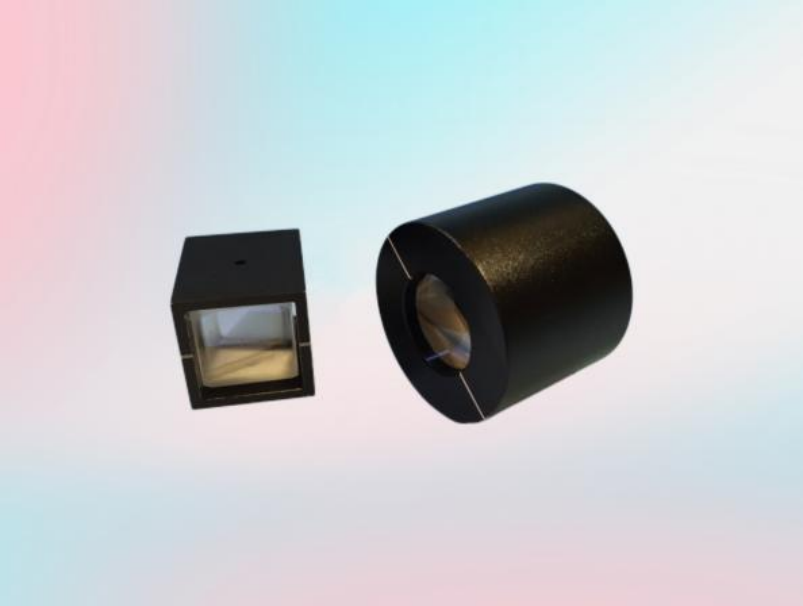
Crystal Polarizers vs. Traditional Filters: Which Is Right for You?
outline: Crystal Polarizers vs. Traditional Filters: Which Is Right for You? Table of Contents 1. Introduction to Optical Components 2. Understanding Polarization and Its Importance 3. What Are Crystal Polarizers? 4. Benefits of Crystal Polarizers 5. Traditional Filters Explained 6. Advantages of Traditional Filters 7. Key Differences Between Crystal Polarizers and Traditional Filters 8. A
2026-05-09
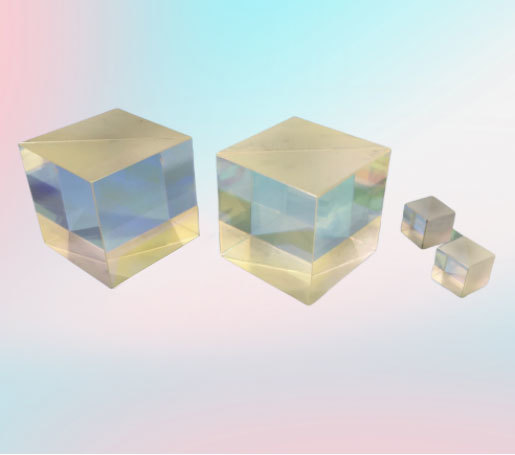
Understanding Polarized Optical Components: A Key Element in Photonic Applications
outline: Polarized optical components are essential elements in various photonic applications, playing a crucial role in manipulating light for specific purposes. These components are designed to filter or modify the polarization state of light waves, which can enhance the performance of optical systems. Understanding how these components work and where they are applied can greatly benefit those involved i
2026-05-06