
Understanding Polarized Optical Components: Key Insights for Professionals
Release Time:
2026-06-05
outline: Polarized optical components are crucial in various applications across the optoelectronic field, playing a significant role in manipulating light. These components, which include polarizers, beam splitters, and optical filters, are designed to control the polarization state of light waves. Understanding their functions and applications is essential for professionals looking to leverage their capa
**Polarizers** are among the most common polarized optical components. They selectively transmit light waves of a specific polarization while blocking others. This property is invaluable in applications such as photography, where polarized filters reduce glare and enhance contrast, leading to improved image quality. In scientific research and optical systems, polarizers are used to eliminate unwanted reflections and improve signal-to-noise ratios.
**Beam splitters** are another essential type of polarized optical component. They divide an incident beam of light into two separate paths: one polarized in a specific direction and the other orthogonally polarized. Beam splitters are widely used in optical instruments, such as interferometers and microscopes, where they help in combining or separating light beams for various analytical purposes. Understanding how to select the appropriate beam splitter for your application is crucial for optimal performance.
**Optical filters**, particularly polarizing filters, are designed to transmit light of a specific polarization while filtering out other polarizations. These filters can enhance the contrast and clarity of images in various optical systems. In telecommunications, polarized optical components play a pivotal role in managing light signals over long distances, ensuring efficient data transmission.
The benefits of utilizing polarized optical components extend beyond mere optical performance. They also contribute to reducing noise in optical systems, enhancing the efficiency of light collection, and improving overall system reliability. Professionals in the optoelectronic field must be familiar with the specific characteristics of these components to make informed decisions about their application.
When selecting polarized optical components, factors such as wavelength compatibility, polarization efficiency, and environmental resilience must be considered. Understanding these parameters can help professionals choose the right components that align with their specific requirements.
In conclusion, polarized optical components are indispensable tools in the optoelectronic industry. By grasping their functions, types, and benefits, professionals can enhance their expertise and improve their applications in various settings. Whether it's for scientific research, telecommunications, or imaging applications, a solid understanding of these components will undoubtedly lead to better outcomes and advancements in the field.

Understanding Polarized Optical Components: Their Role in Modern Optoelectronics
outline: Polarized optical components are essential elements in the field of optoelectronics, playing a pivotal role in manipulating light in ways that enhance the performance and functionality of various optical devices. These components, which include polarizers, beam splitters, and optical filters, are designed to control the orientation and intensity of light waves. By understanding the principles behi
2026-09-03
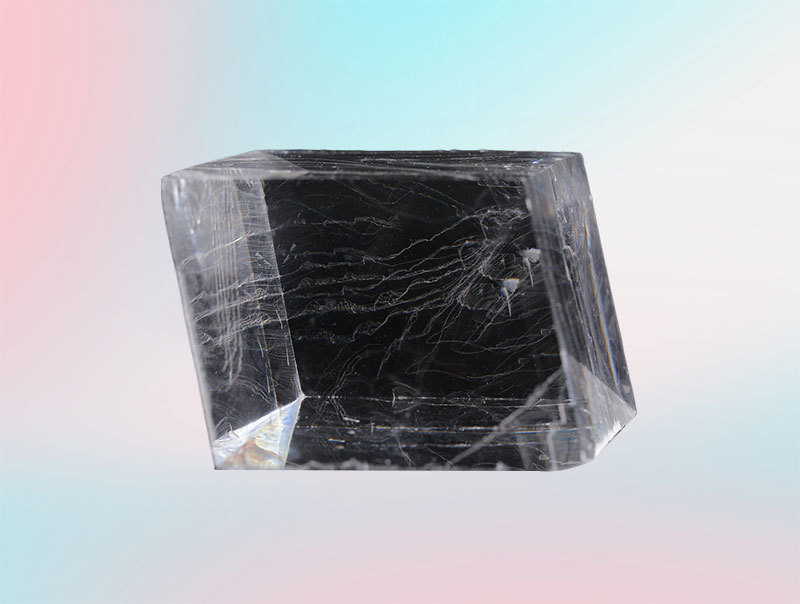
Understanding Birefringent Crystals: A Comprehensive Guide for Electronics Enthusiasts
outline: Understanding Birefringent Crystals: A Comprehensive Guide for Electronics Enthusiasts Table of Contents What Are Birefringent Crystals? Properties of Birefringent Crystals Types of Birefringent Crystals Applications of Birefringent Crystals in Electronics Manufacturing Processes for Birefringent Crystals Future Trends and Innovations in Birefringent Crystals Common Mi
2026-08-31

Understanding Polarizing Optics: A Key Component in Photonic Devices
outline: Polarizing optics is an essential area of study within the realm of photonics, focusing on the manipulation of light waves based on their polarization states. Polarization refers to the orientation of light waves as they oscillate; light can be unpolarized (with waves oscillating in multiple directions) or polarized (with waves oscillating in a single direction). This characteristic is crucial in
2026-08-28
