
How Polarized Optical Components Can Revolutionize Imaging Systems
Release Time:
2026-06-20
outline: How Polarized Optical Components Can Revolutionize Imaging Systems Introduction to Polarized Optical Components In the realm of optical technologies, **polarized optical components** are significant game-changers. These specialized devices play a crucial role in **enhancing image quality** and **improving system performance** across various imaging applications. From medical diagnostics to remot
How Polarized Optical Components Can Revolutionize Imaging Systems
Introduction to Polarized Optical Components
In the realm of optical technologies, **polarized optical components** are significant game-changers. These specialized devices play a crucial role in **enhancing image quality** and **improving system performance** across various imaging applications. From medical diagnostics to remote sensing and consumer electronics, their impact is profound.
The Fundamentals of Polarization
Understanding how polarized optical components work begins with a grasp of the concept of **polarization** itself. Light, as a wave, can vibrate in multiple directions. When light waves oscillate in a single plane, they become **polarized**. This polarization can be achieved through different methods, including reflection, refraction, or the use of polarizing filters.
Types of Polarized Light
Polarized light can be categorized into several types:
- **Linear Polarization**: Light waves oscillate in a single plane.
- **Circular Polarization**: Light waves rotate in a circular motion as they propagate.
- **Elliptical Polarization**: A more generalized form of polarization that includes both linear and circular types.
Understanding these types is essential, as they all have unique applications within imaging systems.
Key Benefits of Polarized Optical Components
Integrating polarized optical components into imaging systems offers numerous benefits:
1. Enhanced Image Clarity
By filtering out unwanted glare and reflections, **polarized optical components** significantly improve image clarity. This is particularly beneficial in environments with bright light and reflective surfaces, such as outdoor photography and scientific imaging.
2. Improved Contrast and Color Saturation
Polarizers enhance the contrast of images by reducing scattered light, resulting in more vibrant colors. This improvement is vital for applications like **medical imaging**, where accurate color representation can lead to better diagnosis.
3. Reduction of Noise in Imaging Systems
Polarized components help reduce noise in images by filtering out incoherent light. This characteristic is crucial in applications requiring high precision, such as **remote sensing** and **industrial inspection**.
4. Increased Efficiency in Optical Systems
Utilizing polarized light can increase the efficiency of optical systems. This leads to **better energy management**, reduced power consumption, and extended lifespan for imaging devices.
Applications of Polarized Optical Components in Imaging Systems
The versatility of polarized optical components enables their use in a wide array of applications:
1. Medical Imaging
In medical diagnostics, polarized light is used in techniques such as **polarized light microscopy**. This technique enhances the visibility of cellular structures, improving the accuracy of diagnoses.
2. Photography and Videography
Photographers and videographers utilize polarizing filters to manage reflections and glare, thereby achieving cleaner and more professional images. This is especially true in landscape photography and underwater imaging.
3. Scientific Research
Scientific research often requires precise imaging techniques. Polarized optical components are employed in various studies, including material analysis and biological research, to enhance image quality and detail.
4. Industrial Applications
In manufacturing and quality control, polarized optical components are essential for detecting surface defects and ensuring product integrity. They provide clearer imagery for inspection processes.
Design Considerations for Imaging Systems Using Polarized Optical Components
When designing an imaging system that incorporates polarized optical components, several factors must be considered:
1. Wavelength Compatibility
Ensure that the polarizing components chosen are compatible with the wavelengths of light utilized in the imaging system. This compatibility is crucial for maximizing image quality.
2. Alignment of Optical Components
Proper alignment of polarized optical components is vital. Misalignment can lead to significant degradation in image quality and performance.
3. Understanding Light Source Characteristics
The characteristics of light sources can influence the effectiveness of polarized components. Different light sources may require specific types of polarizers to achieve optimal results.
Challenges in Implementing Polarized Optical Components
While polarized optical components offer many advantages, some challenges exist:
1. Cost of High-Quality Components
High-quality polarized optical components can be expensive, which may limit their accessibility for smaller companies or projects.
2. Complexity in Integration
Integrating polarized components into existing optical systems may pose challenges, particularly in terms of design and alignment.
3. Environmental Sensitivity
Polarized optical systems can be sensitive to environmental conditions. Factors like temperature changes and humidity can affect performance, necessitating careful environmental control.
Future Trends in Polarized Optical Components and Imaging Systems
As technology advances, the future of polarized optical components in imaging systems looks promising:
1. Miniaturization of Components
Ongoing advancements in technology are leading to the miniaturization of polarized optical components. This trend will allow for more compact and versatile imaging systems.
2. Increased Automation
Integration of automation and machine learning in imaging systems will enhance the analysis of polarized images, leading to improved outcomes in various fields.
3. Enhanced Computational Imaging Techniques
Future developments may see the rise of computational imaging techniques that leverage the unique properties of polarized light to create superior images in real-time.
FAQs about Polarized Optical Components and Imaging Systems
1. What are polarized optical components?
Polarized optical components are devices designed to manipulate light waves, allowing only specific orientations of light to pass through. They improve image quality by reducing glare, enhancing contrast, and increasing clarity.
2. How do polarizers improve image quality?
Polarizers filter out scattered light and reflections, which can obscure the clarity and detail of an image. This leads to sharper, more vibrant images.
3. What industries benefit from polarized optical components?
Industries such as medical imaging, photography, scientific research, and manufacturing all benefit from the advanced capabilities of polarized optical components.
4. Are there different types of polarizers?
Yes, the main types of polarizers include linear polarizers, circular polarizers, and neutral density polarizers, each suited for specific applications.
5. What are the challenges of using polarized optical components?
Challenges include the cost of high-quality components, the complexity of integration, and sensitivity to environmental factors.
Conclusion
Polarized optical components represent a pivotal advancement in the field of imaging systems. By enhancing image quality, improving efficiency, and providing unique capabilities, they are poised to revolutionize many industries. As technology continues to evolve, the integration of these components will undoubtedly lead to breakthroughs in imaging applications, ensuring that professionals can achieve unprecedented clarity and precision in their work.
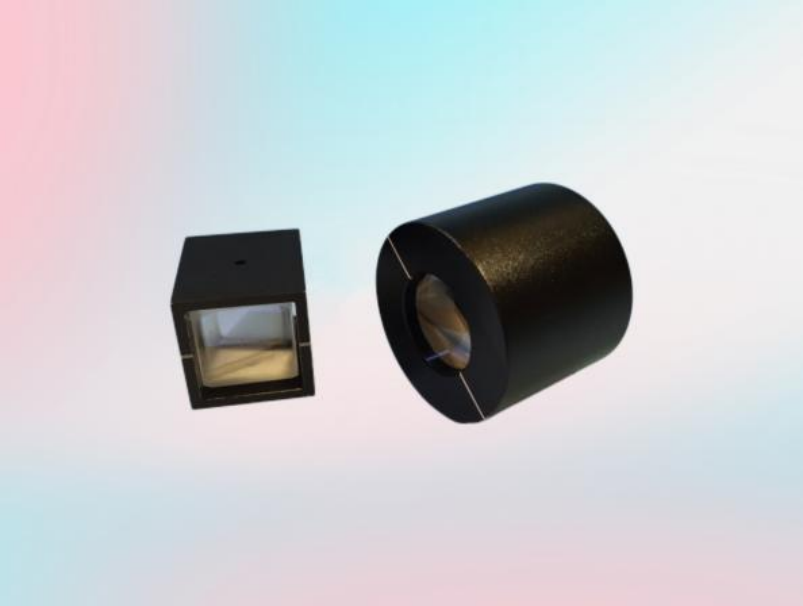
Understanding Crystal Polarizers: Essential Components in Optoelectronic Devices
outline: Crystal polarizers are vital components in the field of optoelectronics, renowned for their ability to manipulate light for various applications. These devices exploit the unique properties of crystals to selectively allow light waves of a specific polarization to pass through while blocking others. This property is particularly useful in numerous high-tech applications, including imaging systems,
2026-06-23
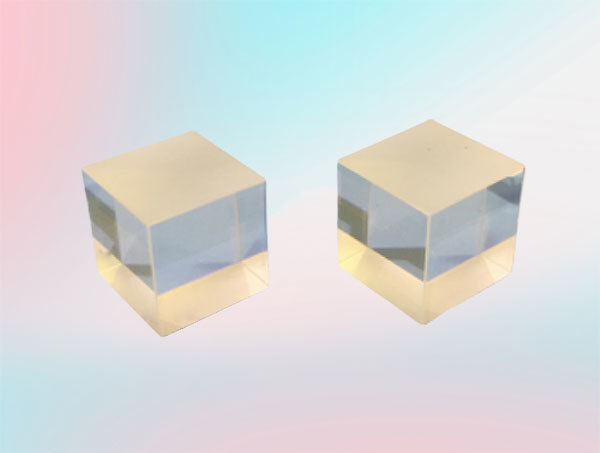
How Polarized Optical Components Can Revolutionize Imaging Systems
outline: How Polarized Optical Components Can Revolutionize Imaging Systems Introduction to Polarized Optical Components In the realm of optical technologies, **polarized optical components** are significant game-changers. These specialized devices play a crucial role in **enhancing image quality** and **improving system performance** across various imaging applications. From medical diagnostics to remot
2026-06-20
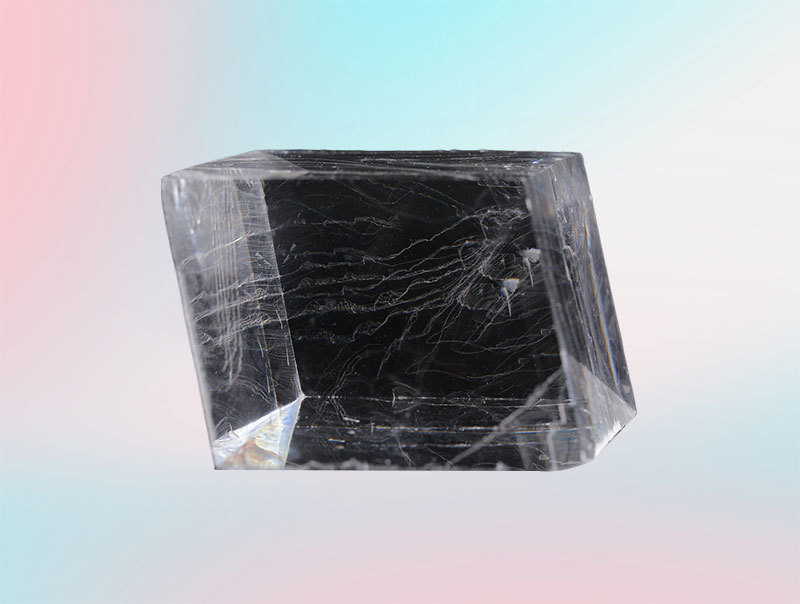
Exploring the Applications and Characteristics of Birefringent Crystals in Optoelectronic Devices
outline: Birefringent crystals are materials that exhibit double refraction, a phenomenon where a beam of light entering the crystal splits into two rays, each traveling at different speeds and in different directions. This unique optical property arises from the anisotropic nature of the crystal structure, meaning that the material's optical characteristics vary depending on the direction of light propaga
2026-06-17
