
Understanding Crystal Polarizers: Essential Components in Optoelectronic Devices
Release Time:
2026-06-23
outline: Crystal polarizers are vital components in the field of optoelectronics, renowned for their ability to manipulate light for various applications. These devices exploit the unique properties of crystals to selectively allow light waves of a specific polarization to pass through while blocking others. This property is particularly useful in numerous high-tech applications, including imaging systems,
One of the primary functions of crystal polarizers is to enhance image clarity in optical systems. By filtering out unwanted light, they reduce glare and improve contrast, making them indispensable in applications such as photography and microscopy. In LCD screens, crystal polarizers are crucial in controlling the light that reaches the viewer's eyes, which is essential for creating vivid, color-rich images.
The construction of crystal polarizers typically involves materials such as polyethylene or specialized crystals like calcite or quartz. These materials are chosen for their birefringent properties, which enable them to exhibit different refractive indices based on the polarization of incoming light. When light enters the polarizer, only the component aligned with the crystal structure is transmitted, while orthogonal components are absorbed or reflected. This selective transmission is what makes crystal polarizers so valuable in ensuring the desired light characteristics in various applications.
In addition to enhancing image quality, crystal polarizers play a pivotal role in optical sensors and measurement devices. They are increasingly used in the analysis of sample properties in scientific research and industrial applications. By utilizing the polarized light, researchers can gain insights into the molecular structures and interactions of different materials.
Moreover, the integration of crystal polarizers into modern technology has prompted ongoing innovations. As industries strive for higher performance and efficiency, the demand for advanced polarizing solutions continues to grow. This trend has led to the development of customizable polarizers tailored to specific applications, allowing for enhanced performance in diverse environmental conditions.
In conclusion, crystal polarizers are indispensable components in the domain of optoelectronic devices. Their ability to selectively filter light based on polarization enhances image quality and facilitates advanced sensing technologies. As the field of optoelectronics evolves, crystal polarizers will undoubtedly remain a fundamental element in driving innovation and improving performance across various applications. Understanding their role can help professionals make informed decisions about incorporating these components into their designs and systems.

Understanding Crystal Polarizers: Essential Components in Optoelectronic Devices
outline: Crystal polarizers are vital components in the field of optoelectronics, renowned for their ability to manipulate light for various applications. These devices exploit the unique properties of crystals to selectively allow light waves of a specific polarization to pass through while blocking others. This property is particularly useful in numerous high-tech applications, including imaging systems,
2026-06-23
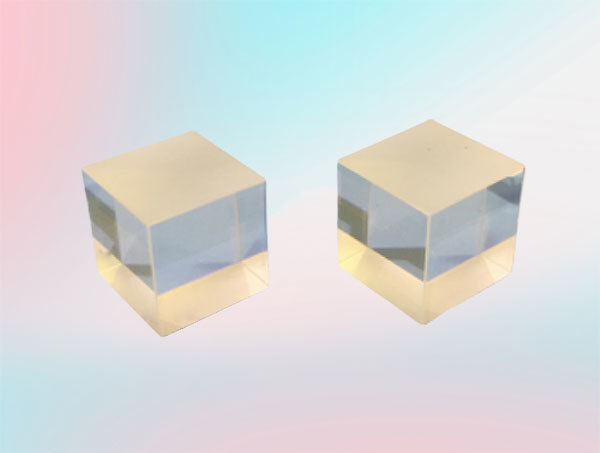
How Polarized Optical Components Can Revolutionize Imaging Systems
outline: How Polarized Optical Components Can Revolutionize Imaging Systems Introduction to Polarized Optical Components In the realm of optical technologies, **polarized optical components** are significant game-changers. These specialized devices play a crucial role in **enhancing image quality** and **improving system performance** across various imaging applications. From medical diagnostics to remot
2026-06-20
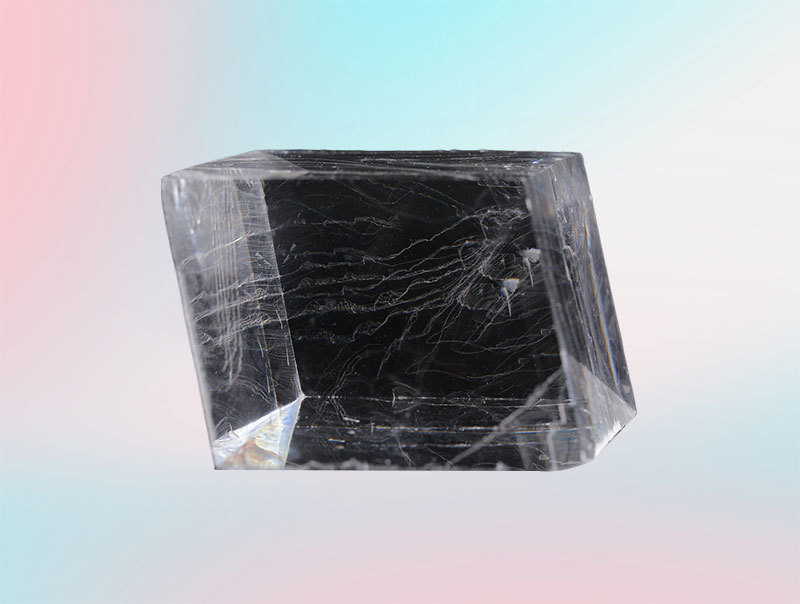
Exploring the Applications and Characteristics of Birefringent Crystals in Optoelectronic Devices
outline: Birefringent crystals are materials that exhibit double refraction, a phenomenon where a beam of light entering the crystal splits into two rays, each traveling at different speeds and in different directions. This unique optical property arises from the anisotropic nature of the crystal structure, meaning that the material's optical characteristics vary depending on the direction of light propaga
2026-06-17
