
Understanding Optical Prisms: Essential Components in Photonic Applications
Release Time:
2026-09-09
outline: Optical prisms are essential devices used in various photonic applications, serving to manipulate light in precise ways. Their primary function is to refract and disperse light, altering its path and spectral composition. This capability is crucial in numerous applications, from imaging systems to communication technologies. One of the most common types of optical prisms is the triangular prism, w
One of the most common types of optical prisms is the triangular prism, which can bend light at specific angles. When white light passes through a triangular prism, it disperses into its constituent colors, creating a spectrum. This property is exploited in spectrometers and optical instruments to analyze the wavelength composition of light. Additionally, the ability of a prism to reflect light is utilized in binoculars and periscopes, enhancing the user’s view without adding significant bulk to the device.
Another significant type is the beam splitter prism, which divides a beam of light into two separate paths. This is particularly useful in applications such as laser systems and optical coherence tomography, where precise light control is critical. Beam splitter prisms can be designed for specific wavelengths, ensuring optimal performance in various conditions.
Moreover, optical prisms can be classified based on the material used in their construction. Common materials include glass, quartz, and various plastics, each offering distinct optical properties and durability. For instance, quartz prisms are often favored for their high clarity and resistance to ultraviolet light, making them ideal for laboratory applications.
In the realm of telecommunications, optical prisms play a vital role in fiber optic systems. They are employed to couple light into fibers and to bend light paths within integrated photonic circuits. The design and precision of these prisms can significantly affect the efficiency and performance of optical networks.
The manufacturing process of optical prisms requires meticulous attention to detail. Precision optics often involve grinding and polishing processes that ensure the surfaces are smooth and the angles are accurate. This precision is essential for maintaining the desired optical performance, as even minor imperfections can lead to significant deviations in light behavior.
In conclusion, optical prisms are integral components in various electronic and photonic systems. Their ability to manipulate light profoundly impacts numerous technologies, from scientific instruments to telecommunications. Understanding the various types, materials, and applications of optical prisms can enhance your approach to designing and implementing advanced optical systems. As the demand for innovative optical solutions continues to grow, the role of optical prisms will undoubtedly remain critical.
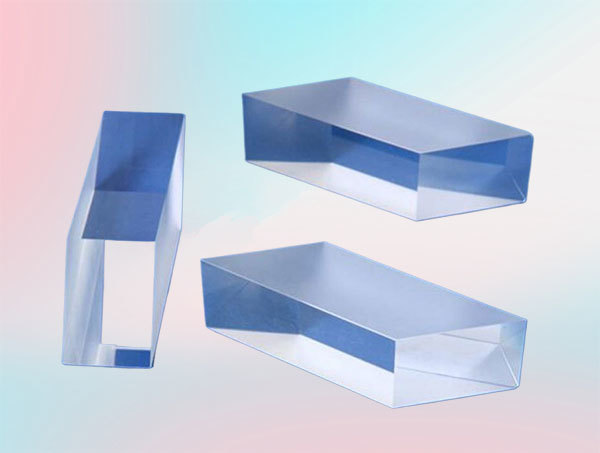
Understanding Optical Prisms: Essential Components in Photonic Applications
outline: Optical prisms are essential devices used in various photonic applications, serving to manipulate light in precise ways. Their primary function is to refract and disperse light, altering its path and spectral composition. This capability is crucial in numerous applications, from imaging systems to communication technologies. One of the most common types of optical prisms is the triangular prism, w
2026-09-09

A Comprehensive Guide to Selecting the Right Crystal Polarizers
outline: A Comprehensive Guide to Selecting the Right Crystal Polarizers Table of Contents 1. Introduction to Crystal Polarizers 2. Understanding Polarization: What You Need to Know 3. Types of Crystal Polarizers 4. Key Performance Metrics for Crystal Polarizers 5. Applications of Crystal Polarizers 6. Selecting the Right Crystal Polarizer for Your Needs 7. In
2026-09-06
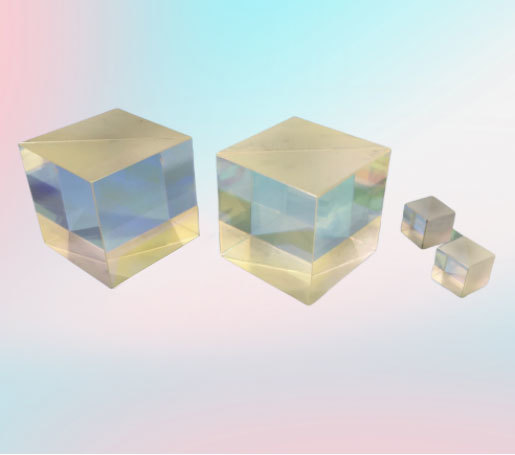
Understanding Polarized Optical Components: Their Role in Modern Optoelectronics
outline: Polarized optical components are essential elements in the field of optoelectronics, playing a pivotal role in manipulating light in ways that enhance the performance and functionality of various optical devices. These components, which include polarizers, beam splitters, and optical filters, are designed to control the orientation and intensity of light waves. By understanding the principles behi
2026-09-03
