
Crystal Polarizers: Enhancing Image Quality in Optoelectronic Applications
Release Time:
2026-10-06
outline: Crystal Polarizers: Enhancing Image Quality in Optoelectronic Applications Table of Contents 1. Introduction to Crystal Polarizers 2. The Mechanics of Crystal Polarizers 3. Benefits of Using Crystal Polarizers 4. Applications of Crystal Polarizers in Optoelectronics 5. Different Types of Crystal Polarizers 6. How to Select the Right Crystal Polarizer 7. Installing Crystal Polarizers
Crystal Polarizers: Enhancing Image Quality in Optoelectronic Applications
Table of Contents
- 1. Introduction to Crystal Polarizers
- 2. The Mechanics of Crystal Polarizers
- 3. Benefits of Using Crystal Polarizers
- 4. Applications of Crystal Polarizers in Optoelectronics
- 5. Different Types of Crystal Polarizers
- 6. How to Select the Right Crystal Polarizer
- 7. Installing Crystal Polarizers: Best Practices
- 8. The Future of Crystal Polarizers in Technology
- 9. FAQs about Crystal Polarizers
- 10. Conclusion
1. Introduction to Crystal Polarizers
Crystal polarizers are specialized optical devices that selectively transmit light waves based on their polarization. They play a vital role in various optoelectronic applications, enhancing image quality by improving contrasts and reducing glare. These components are especially crucial in industries where visual clarity is paramount, such as photography, displays, and scientific imaging.
In this article, we will explore the intricacies of crystal polarizers, their working principles, and how they can significantly enhance image quality. By understanding the fundamental concepts behind these devices, we aim to provide insights that can lead to better decision-making in optoelectronic applications.
2. The Mechanics of Crystal Polarizers
The operation of crystal polarizers relies on the unique properties of crystalline materials. These materials possess a structured arrangement of atoms, allowing them to interact with light waves in distinct ways. When unpolarized light passes through a polarizer, only the light waves that align with the optical axis of the crystal are transmitted, while the others are absorbed or reflected.
This selective transmission leads to several outcomes:
- **Improved Contrast**: By filtering out unwanted light, crystal polarizers enhance the contrast of images, making details more pronounced.
- **Reduced Glare**: They effectively diminish glare from reflective surfaces, allowing for clearer visibility in bright environments.
The most common materials used for crystal polarizers include calcite, quartz, and mica, each offering different performance characteristics suited to various applications.
3. Benefits of Using Crystal Polarizers
The advantages of integrating crystal polarizers into optoelectronic systems are numerous and impactful. Here are some key benefits:
3.1 Enhanced Image Quality
Crystal polarizers contribute to sharper images by filtering out scattered light, which can obscure details and affect color accuracy. This enhancement is particularly beneficial in environments where lighting conditions vary.
3.2 Color Fidelity
By reducing color distortion caused by light interference and reflections, crystal polarizers help maintain true color representation. This quality is especially significant in applications like digital imaging and display technology, where color accuracy is crucial.
3.3 Versatility Across Applications
Crystal polarizers are adaptable and can be tailored for various uses. From medical imaging to consumer electronics, their ability to improve image quality makes them essential in numerous fields.
3.4 Cost-Effectiveness
While the initial investment in high-quality crystal polarizers may be significant, the long-term benefits—including reduced image correction costs and improved product quality—can offset the expense.
4. Applications of Crystal Polarizers in Optoelectronics
The utilization of crystal polarizers spans across various sectors, enhancing performance in numerous applications.
4.1 Photography and Videography
In photography, crystal polarizers are indispensable for controlling reflections and enhancing color saturation. They enable photographers to capture vivid images, especially in outdoor settings where glare is prevalent.
4.2 Display Technologies
Crystal polarizers are integral to the functionality of LCD and OLED displays, improving visual performance by enhancing contrast and reducing reflections. This capability is vital in consumer devices like smartphones, tablets, and televisions.
4.3 Scientific Research
In scientific imaging, crystal polarizers facilitate the examination of various materials by enhancing contrast and revealing details that would otherwise be obscured. They are crucial in microscopy and spectroscopy applications.
4.4 Medical Imaging
Crystal polarizers improve the quality of images produced in medical imaging technologies like ultrasound and MRI, allowing for better diagnosis and treatment planning.
5. Different Types of Crystal Polarizers
Understanding the various types of crystal polarizers is essential for selecting the right one for specific applications.
5.1 Linear Polarizers
These polarizers transmit light in one specific polarization direction, making them suitable for most applications that require glare reduction and contrast enhancement.
5.2 Circular Polarizers
Circular polarizers are designed to block light in all directions, providing additional benefits in reducing reflections from curved surfaces. They are particularly useful in photography and cinematography.
5.3 Dichroic Polarizers
Dichroic polarizers utilize two different materials to create a polarizing effect. They are commonly used in advanced optical systems where precise control over light is required.
6. How to Select the Right Crystal Polarizer
Choosing the appropriate crystal polarizer depends on several factors:
6.1 Application Requirements
Consider the specific needs of your application, including light conditions, image quality requirements, and the type of image capture or display system you are using.
6.2 Material Properties
Evaluate the optical properties of different crystal materials, such as their transmission efficiency, durability, and cost. Each material has its unique advantages and drawbacks.
6.3 Size and Shape
Ensure that the polarizer fits well within your optical system. Custom shapes and sizes may be necessary for specialized applications.
7. Installing Crystal Polarizers: Best Practices
Proper installation of crystal polarizers is crucial for maximizing their effectiveness.
7.1 Alignment
Ensure that the polarizer is correctly aligned with the optical axis of the system. Misalignment can lead to suboptimal performance and image quality.
7.2 Cleaning and Maintenance
Regular cleaning and maintenance are essential to prevent dust and debris from compromising image quality. Use appropriate cleaning solutions and techniques to maintain the clarity of the polarizers.
7.3 Temperature and Humidity Control
Store and operate crystal polarizers in controlled environments to prevent damage from extreme conditions that can affect their optical properties.
8. The Future of Crystal Polarizers in Technology
As technology advances, the role of crystal polarizers in optoelectronics will continue to evolve. Emerging fields such as augmented reality (AR) and virtual reality (VR) are likely to drive demand for advanced polarizing technologies. Researchers are exploring new materials and designs that enhance polarizing effects while optimizing performance, which could lead to significant innovations in imaging systems.
Moreover, the integration of artificial intelligence (AI) in image processing may further enhance the effectiveness of crystal polarizers, allowing for real-time adjustments and improvements in image quality.
9. FAQs about Crystal Polarizers
9.1 What is the primary function of crystal polarizers?
The primary function of crystal polarizers is to selectively transmit light waves based on their polarization, improving image quality by enhancing contrast and reducing glare.
9.2 How do crystal polarizers affect color accuracy?
Crystal polarizers help maintain true color representation by reducing color distortion caused by reflections and light interference.
9.3 Are there different types of crystal polarizers?
Yes, there are several types of crystal polarizers, including linear, circular, and dichroic polarizers, each suited for different applications.
9.4 Can crystal polarizers be used in outdoor photography?
Absolutely! Crystal polarizers are commonly used in outdoor photography to control reflections and improve color saturation.
9.5 How do I maintain crystal polarizers?
Regularly clean crystal polarizers using appropriate cleaning solutions and techniques, ensuring they are stored in controlled environments to prevent damage.
10. Conclusion
Crystal polarizers are indispensable components in the realm of optoelectronics, enhancing image quality across a plethora of applications. Their ability to improve contrast, reduce glare, and maintain color fidelity makes them essential for photographers, display manufacturers, and researchers alike. As technology advances, the potential for crystal polarizers continues to expand, promising even greater enhancements in imaging systems in the future. Understanding their mechanisms, benefits, and applications empowers users to make informed decisions, ensuring optimal performance in various settings.
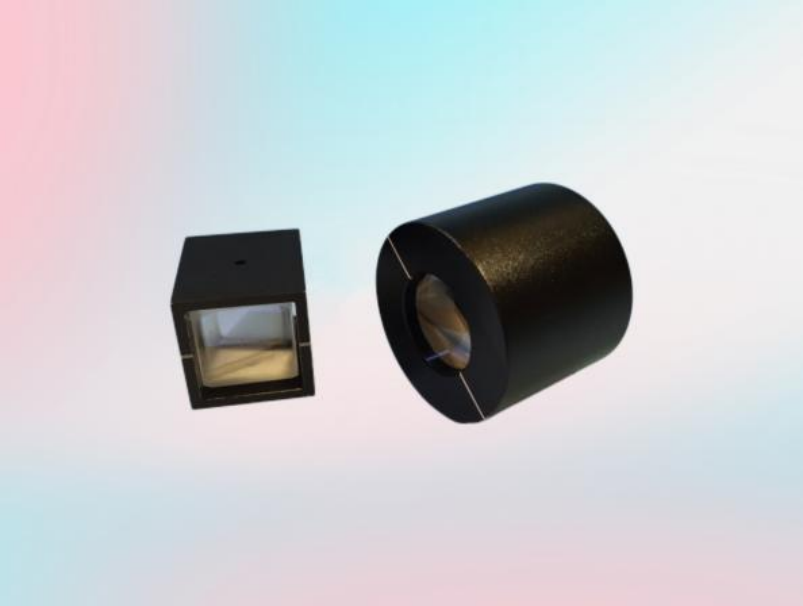
Crystal Polarizers: Enhancing Image Quality in Optoelectronic Applications
outline: Crystal Polarizers: Enhancing Image Quality in Optoelectronic Applications Table of Contents 1. Introduction to Crystal Polarizers 2. The Mechanics of Crystal Polarizers 3. Benefits of Using Crystal Polarizers 4. Applications of Crystal Polarizers in Optoelectronics 5. Different Types of Crystal Polarizers 6. How to Select the Right Crystal Polarizer 7. Installing Crystal Polarizers
2026-10-06

The Intriguing World of Polarized Optical Components: Enhancing Photonic Applications
outline: Polarized optical components play a crucial role in the field of optoelectronics, where the manipulation of light is essential for numerous applications. These components are specifically designed to filter or manipulate light waves based on their polarization states. Light can be described as a wave that oscillates in various directions, and when it is polarized, it oscillates predominantly in a
2026-10-03
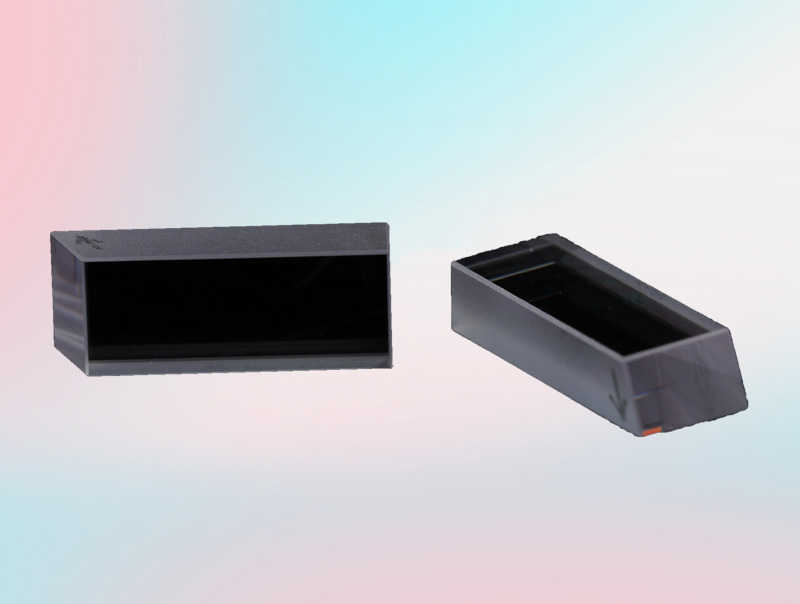
The Role of Birefringent Crystals in Shaping Modern Optical Technologies
outline: The Role of Birefringent Crystals in Shaping Modern Optical Technologies Table of Contents 1. Introduction to Birefringent Crystals 2. Understanding Birefringence: The Science Behind the Phenomenon 3. Key Properties of Birefringent Crystals 4. Types of Birefringent Crystals and Their Characteristics 5. Applications of Birefringent Crystals in Optical Technologies 6. Im
2026-09-30
