
Understanding Polarizing Optics: Key Concepts for Electronics Designers
Release Time:
2026-02-28
outline: Understanding Polarizing Optics: Key Concepts for Electronics Designers Table of Contents What is Polarization? Types of Polarizers How Do Polarizers Work? Applications of Polarizing Optics in Electronics Designing with Polarizers: Best Practices Challenges in Polarizing Optics Future Trends in Polarizing Optics FAQs about Polarizing Optics What is Polarization? The Basics of Pol
Understanding Polarizing Optics: Key Concepts for Electronics Designers
Table of Contents
- What is Polarization?
- Types of Polarizers
- How Do Polarizers Work?
- Applications of Polarizing Optics in Electronics
- Designing with Polarizers: Best Practices
- Challenges in Polarizing Optics
- Future Trends in Polarizing Optics
- FAQs about Polarizing Optics
What is Polarization?
The Basics of Polarization
Polarization refers to the orientation of light waves in a specific direction. Unlike regular light, which vibrates in multiple directions, polarized light oscillates in a single plane. Polarization occurs when light reflects off surfaces, passes through certain materials, or is filtered by polarizers. This phenomenon is crucial in various electronic applications, including displays, sensors, and communication devices.
Understanding Light Waves
To grasp the concept of polarization, it's essential to understand light as an electromagnetic wave. Light consists of oscillating electric and magnetic fields. When these oscillations are confined to a single plane, the light becomes polarized. This can be achieved through several methods, such as reflection, refraction, and absorption.
Types of Polarizers
Linear Polarizers
Linear polarizers allow light waves vibrating in a single direction to pass through while blocking others. These are commonly used in sunglasses, camera filters, and LCD screens. By controlling the orientation of the polarizer, designers can manipulate the intensity and direction of light entering their devices.
Circular Polarizers
Circular polarizers consist of a linear polarizer and a quarter-wave plate. They convert linearly polarized light into circularly polarized light, which can rotate in either clockwise or counterclockwise directions. This type of polarizer is particularly useful in 3D displays and virtual reality systems, where the orientation of light is crucial for creating depth perception.
Photonic Crystal Polarizers
Photonic crystal polarizers are advanced materials designed to selectively reflect or transmit certain wavelengths of light based on their polarization. These polarizers have gained attention in high-performance applications, such as optical communication and sensing technologies, due to their high efficiency and tunable properties.
How Do Polarizers Work?
The Science Behind Polarization
Polarizers work by exploiting the interaction of light with materials. When unpolarized light encounters a polarizer, only the light waves oscillating in the alignments of the material’s structure can pass through. The rest of the waves are absorbed or reflected.
Mathematical Representation of Polarization
The effectiveness of a polarizer can be described mathematically using Malus's Law. This law states that the intensity of polarized light passing through a polarizer is proportional to the cosine square of the angle between the light's initial polarization direction and the polarizer's axis. The formula is given by:
I = I₀ * cos²(θ)
Where:
- I is the transmitted intensity
- I₀ is the initial intensity
- θ is the angle between the incident light's polarization direction and the polarizer's axis
Applications of Polarizing Optics in Electronics
Display Technologies
Polarizing optics play a vital role in various display technologies. In Liquid Crystal Displays (LCDs), polarizers are essential for controlling light transmission and improving image quality. By manipulating the polarization of light, designers can enhance contrast and reduce glare, resulting in better visibility.
Optical Sensors
Polarizing optics are also utilized in optical sensors for detecting stress, strain, and other physical properties. These sensors often rely on polarized light to measure changes in material properties, making them invaluable in industries like aerospace and automotive engineering.
Cameras and Imaging Systems
In photography and imaging systems, polarizers help eliminate unwanted reflections and enhance the color saturation of images. By integrating circular polarizers, camera manufacturers can ensure optimal image quality and clarity in various shooting conditions.
Designing with Polarizers: Best Practices
Choosing the Right Polarizer
Selecting the appropriate polarizer for your electronic design is crucial. Consider factors such as the wavelength of light, transmission efficiency, and the desired polarization state. Linear polarizers are ideal for most applications, while circular polarizers are essential for systems that involve rotating light, such as 3D displays.
Optimal Polarizer Placement
The placement of polarizers within a device significantly impacts performance. Ensure that polarizers are positioned to maximize light transmission and minimize distortion. Analyzing the optical path and understanding the interaction between various components will lead to better design outcomes.
Challenges in Polarizing Optics
Material Limitations
While polarizing optics offer numerous benefits, material limitations can pose challenges. Factors such as temperature sensitivity, mechanical durability, and wavelength dependence can affect the performance of polarizers. Designers must choose materials that can withstand operational conditions while maintaining optical integrity.
Complexity of Integration
Integrating polarizers into electronic components can introduce complexity in design and manufacturing processes. Ensuring precise alignment and optimal performance requires careful consideration of component interactions, which may increase production costs and design time.
Future Trends in Polarizing Optics
Advancements in Material Science
Research in material science is leading to the development of new polarizing materials that offer enhanced performance characteristics. Innovations in nanotechnology and metamaterials are paving the way for polarizers with improved efficiency, reduced size, and greater flexibility.
Smart Polarizers
The future of polarizing optics also lies in the integration of smart technologies. Adaptive polarizers that can change their polarization state in response to environmental conditions or user inputs are on the horizon. Such advancements will enable more dynamic and efficient designs in various electronic applications.
FAQs about Polarizing Optics
What are the main types of polarizers used in electronics?
The main types include linear polarizers, circular polarizers, and photonic crystal polarizers. Each serves different functions and applications in electronic devices.
How do polarizers enhance display technology?
Polarizers enhance display technology by controlling light transmission, improving contrast, and reducing glare, which results in clearer and more vibrant images.
Can polarizers be used in cameras?
Yes, polarizers can be used in cameras to eliminate unwanted reflections and improve color saturation, thereby enhancing image quality.
What are the challenges faced when designing with polarizers?
Challenges include material limitations, such as temperature sensitivity and mechanical durability, as well as the complexity of integrating polarizers into electronic components.
What is the future of polarizing optics?
The future includes advancements in material science and the development of smart polarizers that can adapt to changing conditions, leading to more innovative electronic designs.
Conclusion
Understanding polarizing optics is essential for electronics designers aiming to enhance their product functionality and performance. By grasping the fundamental concepts and applications of polarizers, designers can leverage these optical technologies to create superior electronic devices. As the industry continues to advance, staying informed about the latest developments in polarizing optics will empower designers to push the boundaries of innovation, ultimately leading to groundbreaking solutions in various fields.
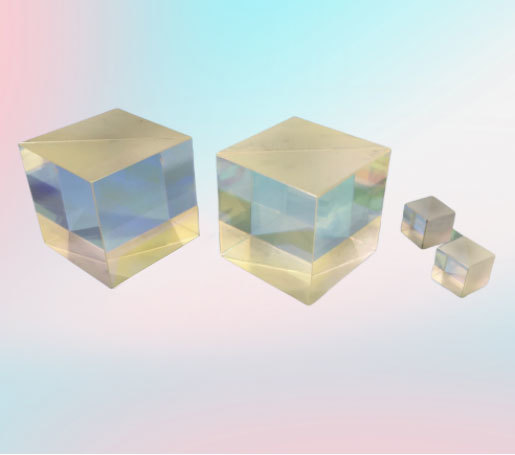
Understanding Polarizing Optics: Key Concepts for Electronics Designers
outline: Understanding Polarizing Optics: Key Concepts for Electronics Designers Table of Contents What is Polarization? Types of Polarizers How Do Polarizers Work? Applications of Polarizing Optics in Electronics Designing with Polarizers: Best Practices Challenges in Polarizing Optics Future Trends in Polarizing Optics FAQs about Polarizing Optics What is Polarization? The Basics of Pol
2026-02-28
Understanding Optical Prisms: Essential Components in Photonic Applications
outline: Optical prisms are fundamental components used in a variety of photonic applications, serving crucial roles in the manipulation and management of light. These transparent solids are typically made from glass or other optically clear materials and are designed with specific geometries to refract, reflect, or disperse light. Understanding the functionality and types of optical prisms can greatly enh
2026-02-26
From Basics to Advanced: Mastering the Use of Crystal Polarizers
outline: From Basics to Advanced: Mastering the Use of Crystal Polarizers Table of Contents Introduction to Crystal Polarizers Understanding Polarization in Light Types of Crystal Polarizers How Crystal Polarizers Work Applications of Crystal Polarizers Choosing the Right Crystal Polarizer for Your Needs Proper Installation and Handling Techniques Advanced Techniques in Usi
2026-02-24