
From Theory to Practice: Implementing Polarized Optical Components in Design
Release Time:
2026-03-22
outline: From Theory to Practice: Implementing Polarized Optical Components in Design Table of Contents Understanding Polarization: The Science Behind It The Importance of Polarized Optical Components in Modern Design Types of Polarized Optical Components: A Comprehensive Overview Applications of Polarized Optical Components in Various Industries Design Considerations When Using Polarized Optical Componen
From Theory to Practice: Implementing Polarized Optical Components in Design
Table of Contents
- Understanding Polarization: The Science Behind It
- The Importance of Polarized Optical Components in Modern Design
- Types of Polarized Optical Components: A Comprehensive Overview
- Applications of Polarized Optical Components in Various Industries
- Design Considerations When Using Polarized Optical Components
- Challenges in Implementing Polarized Optical Components
- Future Trends in Polarized Optical Component Design
- Conclusion
- FAQs: Your Questions Answered
Understanding Polarization: The Science Behind It
Polarization refers to the orientation of light waves as they travel through space. Light is an electromagnetic wave, and its oscillations can occur in various directions. **Polarized light** is light where these oscillations are confined to a single plane. This characteristic can be harnessed for numerous applications, making a thorough understanding of polarization fundamental to modern optical design.
The Physics of Light Polarization
When light interacts with materials, it can become polarized through processes such as reflection, scattering, and absorption. **Reflective polarization** occurs when light bounces off surfaces, such as water or glass. **Scattering** polarization happens when light interacts with air molecules or small particles, causing a shift in the light's vibrational direction. These phenomena form the basis for utilizing polarized optical components in design.
The Importance of Polarized Optical Components in Modern Design
Polarized optical components are integral to enhancing the performance and functionality of various devices. Their ability to filter out unwanted glare, improve contrast, and provide clearer images makes them essential in industries ranging from photography to telecommunications.
Enhancing Image Quality
In applications such as **cameras** and **projection systems**, polarized filters reduce reflected glare, enabling clearer and more vibrant images. This characteristic is particularly vital in outdoor photography, where sunlight can adversely affect image quality.
Improving Safety and Efficiency
In sectors like **automotive and aviation**, polarized optics enhance visibility and reduce eye strain. By minimizing reflective glare, these components contribute to safer operational environments, improving overall performance and efficiency.
Types of Polarized Optical Components: A Comprehensive Overview
Various types of polarized optical components are available, each designed for specific applications. Understanding these components is crucial for effective integration into design processes.
Polarizers
**Polarizers** are the most common polarized optical components. They allow light waves of a specific orientation to pass through while blocking others. There are two primary types of polarizers: linear and circular.
Linear Polarizers
Linear polarizers permit light waves in a single plane to pass. They are widely used in photography, LCD displays, and scientific instrumentation.
Circular Polarizers
Circular polarizers, on the other hand, are used to enhance image quality and reduce glare from reflective surfaces. Often employed in high-end photography, they enable more creative control over images.
Optical Filters
**Optical filters** can also be designed to polarize light. These filters selectively transmit light of certain wavelengths while blocking others, making them essential for applications in spectroscopy and imaging.
Beam Splitters
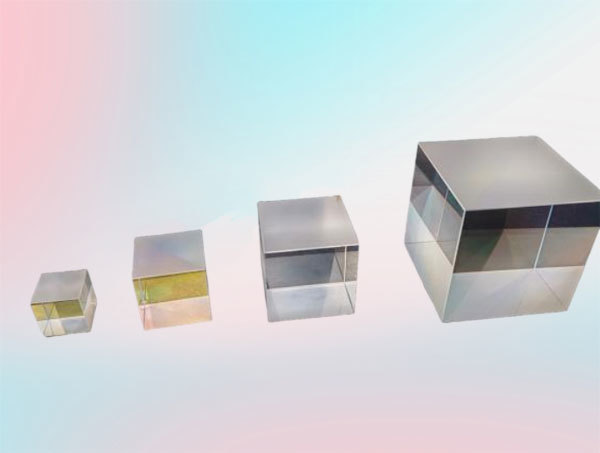
**Beam splitters** can divide light beams into separate paths, allowing for the manipulation of polarized light in optical systems. They are crucial in applications such as laser technology and optical sensing.
Applications of Polarized Optical Components in Various Industries
The versatility of polarized optical components allows their implementation across various industries, each benefiting uniquely from their characteristics.
Aerospace and Defense
In the aerospace sector, polarized optical components enhance surveillance systems and targeting systems, improving accuracy and effectiveness in critical operations.
Medical Imaging
Polarization techniques are utilized in **medical imaging**, particularly in techniques like optical coherence tomography (OCT). These applications improve image clarity and resolution, aiding in more accurate diagnoses.
Consumer Electronics
Smartphones, tablets, and televisions integrate polarized optics to improve display quality. **LCD screens** often use polarizers to enhance contrast and color accuracy, resulting in more vivid visuals.
Design Considerations When Using Polarized Optical Components
Integrating polarized optical components into design requires careful consideration of several factors to ensure optimal performance.
Material Selection
The choice of materials significantly impacts the effectiveness of polarized optical components. **High-quality optical glass** or specialized polymers can enhance performance, minimize distortion, and improve durability.
Angle of Incidence
The angle at which light interacts with polarized components is critical. Understanding how light behaves at different angles will guide the design process to maximize effectiveness.
Temperature and Environmental Factors
Temperature fluctuations and environmental conditions can affect the performance of polarized components. Designing for stability across varying conditions is essential for reliable operation.
Challenges in Implementing Polarized Optical Components
While the benefits of polarized optical components are substantial, challenges exist in their implementation.
Cost Considerations
High-quality polarized optical components can be expensive, impacting the overall project budget. Balancing cost with performance is crucial for successful integration.
Complexity of Design
Incorporating polarized optics into existing designs can introduce complexity. Designers must consider optical paths, alignment, and potential interference with other components.
Performance Limitations
Some applications may face performance limitations, such as reduced effectiveness in certain lighting conditions or angles. Careful testing and validation are necessary to address these issues.
Future Trends in Polarized Optical Component Design
As technology advances, so does the potential for polarized optical components. Emerging trends are shaping the future of design in significant ways.
Integration with Smart Technologies
The integration of polarized optics with smart technologies, such as sensors and augmented reality, is poised to enhance functionality and user experience across various applications.
Miniaturization
As devices become smaller and more compact, the demand for miniaturized polarized optical components is increasing. This trend will drive innovation in design and manufacturing processes.
Enhanced Customization
Future advancements may allow for greater customization of polarized optical components to meet specific application needs, enhancing versatility and effectiveness.
Conclusion
Implementing polarized optical components in design offers a multitude of benefits, from enhancing image quality to improving safety in various applications. By understanding the science behind polarization, types of components available, and the challenges involved, designers can effectively integrate these components into their projects. As technology evolves, staying ahead of future trends will ensure that polarized optics continue to play a pivotal role in innovative design.
FAQs: Your Questions Answered
1. What are polarized optical components?
Polarized optical components are devices that manipulate light waves to allow only certain orientations of light to pass through. They are used in various applications, including photography, telecommunications, and medical imaging.
2. How do linear and circular polarizers differ?
Linear polarizers allow light waves in a single plane to pass, while circular polarizers can manage light waves in a way that improves contrast and reduces glare, often used in high-end photography.
3. What industries benefit from polarized optical components?
Industries such as aerospace, medical imaging, consumer electronics, and automotive benefit from the enhanced performance and safety features provided by polarized optical components.
4. What are the main challenges in implementing polarized optics?
Challenges include cost considerations, complexities in design, and potential performance limitations under various environmental conditions.
5. What is the future of polarized optical components?
The future trends include greater integration with smart technologies, miniaturization for compact devices, and enhanced customization options to meet specific needs in design.
From Theory to Practice: Implementing Polarized Optical Components in Design
outline: From Theory to Practice: Implementing Polarized Optical Components in Design Table of Contents Understanding Polarization: The Science Behind It The Importance of Polarized Optical Components in Modern Design Types of Polarized Optical Components: A Comprehensive Overview Applications of Polarized Optical Components in Various Industries Design Considerations When Using Polarized Optical Componen
2026-03-22
Understanding Birefringent Crystals: Their Role in Optoelectronic Devices
outline: Birefringent crystals are materials that exhibit different refractive indices based on the polarization and propagation direction of light passing through them. This phenomenon, known as birefringence, arises from the crystal's anisotropic structure, where the arrangement of atoms is not uniform in all directions. Common examples of birefringent crystals include calcite, quartz, and certain types
2026-03-19
The Impact of Crystal Polarizers on Light Control in Optoelectronic Devices
outline: The Impact of Crystal Polarizers on Light Control in Optoelectronic Devices Introduction to Crystal Polarizers Crystal polarizers are essential components in the realm of optoelectronic devices. They manipulate light in profound ways, enabling precise control over various optical phenomena. This article will explore the significance of crystal polarizers, elucidate their working principles, and hi
2026-03-16