
Understanding Crystal Polarizers: Essential Components in Photonics
Release Time:
2026-03-25
outline: Crystal polarizers are vital optical components that manipulate light waves, crucial in various electronic applications, particularly in the field of photonics. These devices are designed to allow only certain orientations of light waves to pass through while blocking others, effectively filtering the light. This property of selective transmission is essential in many applications, including imagi
The function of crystal polarizers relies on the unique properties of certain crystalline materials. These materials exhibit anisotropic characteristics, meaning their optical properties vary depending on the direction of light passage. Commonly used materials for crystal polarizers include tourmaline, calcite, and certain synthetic polymers. The alignment of these materials allows for the selective absorption or transmission of light waves, creating polarized light that can enhance clarity and contrast in imaging systems.
One of the most significant applications of crystal polarizers is in liquid crystal displays (LCDs). LCD technology utilizes polarizers to control light in various electronic devices such as smartphones, televisions, and computer monitors. By employing crystal polarizers, these devices can achieve vibrant colors and high contrast ratios, resulting in better image quality. Additionally, crystal polarizers are utilized in optical filters, cameras, and even scientific instruments, where precise control over light is crucial.
Moreover, the advantages of using crystal polarizers extend beyond just image enhancement. They also play a pivotal role in reducing glare, which is particularly beneficial in outdoor applications and high-visibility environments. By filtering out scattered light, crystal polarizers improve visibility and reduce eye strain, making them invaluable in sunglasses and protective eyewear.
In recent years, the development of advanced crystal polarizers has led to innovations in their efficiency and adaptability. Research into new materials and structures continues to enhance their performance, opening up possibilities for new applications in areas such as augmented reality, virtual reality, and beyond. As technology evolves, crystal polarizers remain a cornerstone in the quest for improved optical performance and functionality in electronic devices.
In conclusion, crystal polarizers are indispensable components in the realm of photonics, where their ability to control light significantly impacts various technologies. Understanding their functionality and applications is crucial for anyone interested in the optical electronics sector. As we move forward, crystal polarizers will undoubtedly continue to play an essential role in shaping the future of light-based technologies.

Understanding Crystal Polarizers: Essential Components in Photonics
outline: Crystal polarizers are vital optical components that manipulate light waves, crucial in various electronic applications, particularly in the field of photonics. These devices are designed to allow only certain orientations of light waves to pass through while blocking others, effectively filtering the light. This property of selective transmission is essential in many applications, including imagi
2026-03-25

From Theory to Practice: Implementing Polarized Optical Components in Design
outline: From Theory to Practice: Implementing Polarized Optical Components in Design Table of Contents Understanding Polarization: The Science Behind It The Importance of Polarized Optical Components in Modern Design Types of Polarized Optical Components: A Comprehensive Overview Applications of Polarized Optical Components in Various Industries Design Considerations When Using Polarized Optical Componen
2026-03-22
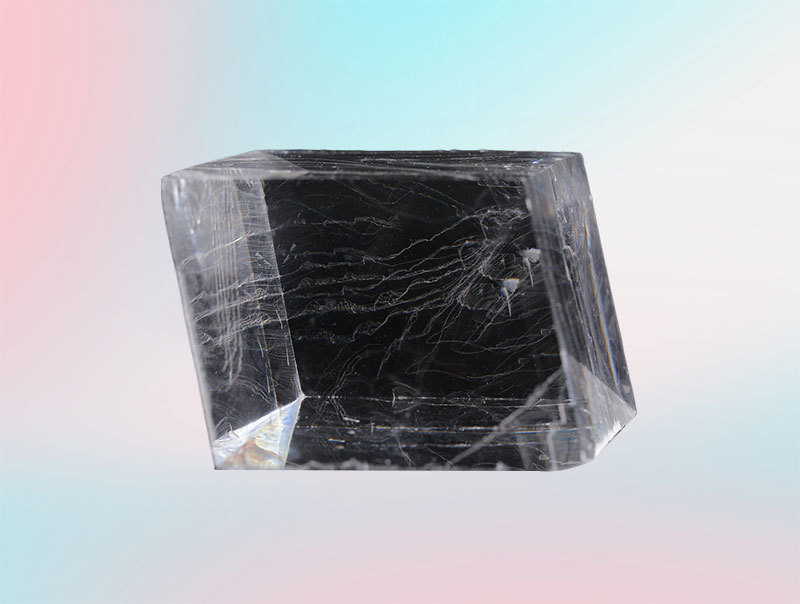
Understanding Birefringent Crystals: Their Role in Optoelectronic Devices
outline: Birefringent crystals are materials that exhibit different refractive indices based on the polarization and propagation direction of light passing through them. This phenomenon, known as birefringence, arises from the crystal's anisotropic structure, where the arrangement of atoms is not uniform in all directions. Common examples of birefringent crystals include calcite, quartz, and certain types
2026-03-19