
Essential Tips for Maintaining and Caring for Optical Prisms: A Comprehensive Guide
Release Time:
2026-03-28
outline: Essential Tips for Maintaining and Caring for Optical Prisms Optical prisms play a vital role in various applications, ranging from photography and scientific research to everyday uses in binoculars and telescopes. To maximize the performance and longevity of these essential optical components, proper maintenance and care are crucial. In this guide, we provide a detailed overview of effective stra
Essential Tips for Maintaining and Caring for Optical Prisms
Optical prisms play a vital role in various applications, ranging from photography and scientific research to everyday uses in binoculars and telescopes. To maximize the performance and longevity of these essential optical components, proper maintenance and care are crucial. In this guide, we provide a detailed overview of effective strategies for maintaining and caring for optical prisms.
Understanding Optical Prisms: The Basics
Optical prisms are transparent geometrical solids that manipulate light to achieve specific effects. They are commonly used to disperse light, reflect images, or change the direction of light rays. Knowing the types and functions of optical prisms is the first step toward understanding how to care for them.
Types of Optical Prisms
There are several types of optical prisms, each serving unique purposes:
1. **Triangular Prisms**: These are the most common and are used to refract light and create spectral images.
2. **Dichroic Prisms**: Designed to separate light into different wavelengths, these prisms are essential in color separation applications.
3. **Reflective Prisms**: Used in optical instruments, such as telescopes, to reflect light without changing its properties.
Each type requires specific care instructions to maintain optimal functionality.
Why Proper Maintenance is Essential
Maintaining optical prisms is crucial for several reasons:
1. **Performance**: Clean and well-maintained prisms provide better light transmission and image clarity.
2. **Durability**: Regular care extends the lifespan of prisms, reducing the need for costly replacements.
3. **Safety**: Damaged or dirty prisms can lead to inaccurate readings in scientific instruments, resulting in potential errors.
Effective Techniques for Cleaning Optical Prisms
Cleaning optical prisms requires precision and care to avoid scratches and damage. Here are some effective cleaning techniques:
1. Gather the Right Materials
Before starting the cleaning process, ensure you have the following materials:
- **Microfiber cloths**: These are gentle and won’t scratch the surface.
- **Optical lens cleaner**: Use a solution specifically designed for optical glass.
- **Compressed air**: Ideal for removing dust and debris without physical contact.
2. Remove Dust and Debris
Start by using compressed air to blow away any loose dust or particles. Hold the canister upright to prevent moisture from escaping. Avoid using your breath, as it can introduce moisture and oils.
3. Apply Cleaning Solution
Dampen a microfiber cloth with the optical lens cleaner. Avoid saturating the cloth—excess liquid can seep into the edges of the prism and damage the coating.
4. Wipe Gently
Using the damp cloth, gently wipe the surface of the prism in a circular motion. Start from the center and work your way outward. This technique minimizes the risk of scratches.
5. Dry the Prism
After cleaning, use a dry microfiber cloth to remove any remaining moisture. Ensure the prism is completely dry before storing it.
Storing Optical Prisms Properly
Proper storage of optical prisms is as important as cleaning. Here are best practices for storing them effectively:
1. Use Protective Cases
Invest in high-quality protective cases designed for optical equipment. These cases can shield prisms from dust, moisture, and physical damage.
2. Avoid Extreme Temperatures
Store prisms in a climate-controlled environment. Extreme temperatures can cause expansion and contraction, potentially damaging the prism’s coatings.
3. Keep Away from Direct Sunlight
Direct sunlight can degrade optical coatings over time. Choose a cool, dark storage location to extend the lifespan of your prisms.
Handling Optical Prisms with Care
Proper handling techniques can prevent damage to optical prisms. Consider these tips:
1. Wash Hands Before Handling
Always wash your hands before touching the prisms to avoid transferring oils and dirt.
2. Use Both Hands
Always use two hands when handling prisms. This approach minimizes the risk of dropping or mishandling them.
3. Avoid Touching the Glass Surface
Whenever possible, refrain from touching the glass surfaces. If you must, ensure your hands are clean and dry.
Common Issues and How to Troubleshoot Them
Despite the best care, issues may arise with optical prisms. Here are common problems and how to address them:
1. Cloudy or Hazy Appearance
If your prism appears cloudy, it may require professional cleaning or replacement. Avoid using harsh chemicals, as they can damage coatings.
2. Scratches and Damage
If scratches are present, consult an optical technician for repair options. In some cases, replacement may be the most practical solution.
3. Misalignment
If the prism is part of an optical system that seems misaligned, consult the manufacturer’s guidelines for realignment procedures.
Regular Maintenance Checks
In addition to cleaning and proper storage, regular maintenance checks are essential. Consider establishing a routine schedule to inspect your optical prisms:
1. Monthly Visual Inspections
Conduct monthly visual inspections for dirt, dust, and signs of wear. Early detection can prevent more significant issues.
2. Professional Servicing
Every year, consider sending your prisms to a professional for thorough cleaning and calibration. Regular servicing can enhance performance and ensure accuracy.
Frequently Asked Questions (FAQs)
1. How often should I clean my optical prisms?
Cleaning frequency depends on usage. For heavy use, clean them monthly; for occasional use, every few months is sufficient.
2. Can I use regular glass cleaner on optical prisms?
No, regular glass cleaners may contain chemicals that can damage optical coatings. Always use formulas specifically designed for optical glass.
3. What should I do if my prism is scratched?
Consult with an optical technician for repair options. Depending on the severity, they may recommend polishing or replacement.
4. Is it safe to store prisms in extreme temperatures?
No, extreme temperatures can damage optical coatings. Store prisms in a climate-controlled environment.
5. How can I prevent fingerprints on my prisms?
Avoid touching the glass surfaces and use gloves if necessary. Always handle prisms by the edges.
Conclusion
Caring for optical prisms is essential for maintaining their functionality and longevity. By following the outlined tips for cleaning, storing, handling, and regular maintenance checks, you can ensure your optical prisms perform at their best for years to come. Whether you are a hobbyist or a professional, these practices will help you appreciate the clarity and precision that optical prisms provide in various applications. With proper care, optical prisms will continue to enhance your visual experiences, allowing you to capture and see the world in stunning detail.
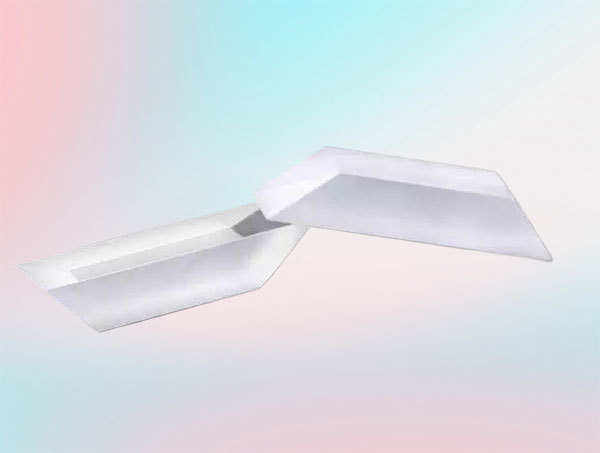
Essential Tips for Maintaining and Caring for Optical Prisms: A Comprehensive Guide
outline: Essential Tips for Maintaining and Caring for Optical Prisms Optical prisms play a vital role in various applications, ranging from photography and scientific research to everyday uses in binoculars and telescopes. To maximize the performance and longevity of these essential optical components, proper maintenance and care are crucial. In this guide, we provide a detailed overview of effective stra
2026-03-28

Understanding Crystal Polarizers: Essential Components in Photonics
outline: Crystal polarizers are vital optical components that manipulate light waves, crucial in various electronic applications, particularly in the field of photonics. These devices are designed to allow only certain orientations of light waves to pass through while blocking others, effectively filtering the light. This property of selective transmission is essential in many applications, including imagi
2026-03-25
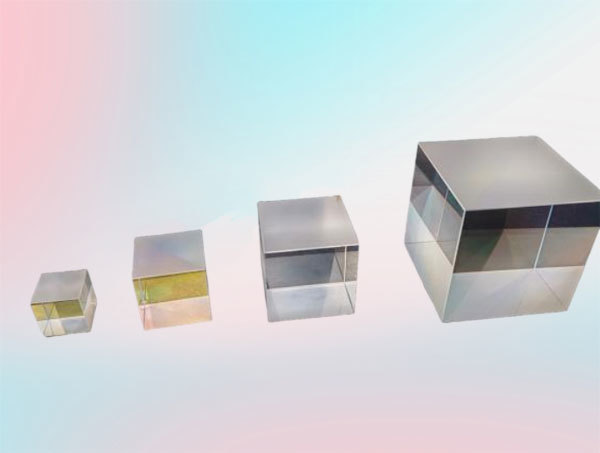
From Theory to Practice: Implementing Polarized Optical Components in Design
outline: From Theory to Practice: Implementing Polarized Optical Components in Design Table of Contents Understanding Polarization: The Science Behind It The Importance of Polarized Optical Components in Modern Design Types of Polarized Optical Components: A Comprehensive Overview Applications of Polarized Optical Components in Various Industries Design Considerations When Using Polarized Optical Componen
2026-03-22