
Comparing Polarized Optical Components with Traditional Options: A Deep Dive
Release Time:
2026-04-21
outline: Comparing Polarized Optical Components with Traditional Options: A Deep Dive As technology advances, the demand for more efficient and effective optical components continues to grow. In this exploration, we will focus on **polarized optical components** and how they stack up against **traditional optical options**. Understanding the nuances between these two categories is crucial for industries
Comparing Polarized Optical Components with Traditional Options: A Deep Dive
As technology advances, the demand for more efficient and effective optical components continues to grow. In this exploration, we will focus on **polarized optical components** and how they stack up against **traditional optical options**. Understanding the nuances between these two categories is crucial for industries relying on precise optical performance.
Table of Contents
- Understanding Polarization and Its Importance
- Traditional Optical Components Explained
- What Are Polarized Optical Components?
- The Benefits of Polarized Optical Components
- Applications of Polarized Optical Components
- Comparing Performance Metrics
- Future Trends in Optical Technology
- FAQs
- Conclusion
Understanding Polarization and Its Importance
Polarization refers to the orientation of light waves in a particular direction. Unlike unpolarized light, which vibrates in multiple planes, polarized light waves vibrate in a single plane. This property is essential in many applications, from photography to telecommunications.
By harnessing the power of polarization, industries can enhance the quality of images, improve signal clarity, and reduce glare. Understanding these characteristics allows engineers and designers to create more effective optical solutions.
Traditional Optical Components Explained
Traditional optical components, such as lenses, mirrors, and prisms, have been the backbone of optical systems for centuries. These components manipulate light based on basic principles of reflection and refraction. While they serve their purpose well, they often struggle with issues such as light scattering, distortion, and glare.
For many applications, traditional optics may suffice. However, industries seeking to optimize performance are increasingly turning to polarized options to overcome the limitations of conventional components.
What Are Polarized Optical Components?
Polarized optical components are specially designed to manipulate light waves by filtering them based on their polarization state. Common types include polarized filters, beam splitters, and optical isolators. These components can selectively transmit or block light of varying polarization, enhancing the control engineers have over optical systems.
For instance, polarized filters are widely used in photography to reduce glare and enhance color saturation. Similarly, optical isolators prevent unwanted feedback in laser systems, ensuring stable operation.
The Benefits of Polarized Optical Components
The advantages of using polarized optical components over their traditional counterparts are numerous:
- Improved Image Quality: Polarized components can significantly reduce glare and reflections, resulting in clearer images.
- Increased Efficiency: By filtering out unwanted light, these components enhance the efficiency of optical systems.
- Enhanced Signal Clarity: In telecommunications, polarized components minimize signal interference, leading to clearer communication.
- Versatility: Polarized optical components are applicable in various fields, including photography, medicine, and telecommunications.
Applications of Polarized Optical Components
Polarized optical components find their applications across various industries:
1. Photography
Photographers utilize polarized filters to manage reflections and enhance image colors. This is particularly beneficial when capturing landscapes or water scenes.
2. Telecommunications
In telecoms, polarized filters and isolators are essential in maintaining signal integrity, reducing noise and maximizing data transmission rates.
3. Medical Imaging
Polarized optical systems improve the quality of medical imaging techniques, such as Optical Coherence Tomography (OCT), providing clearer images for diagnosis.
4. Display Technologies
In LCD and OLED screens, polarized components enhance display quality by improving brightness and contrast while reducing glare.
Comparing Performance Metrics
When assessing polarized optical components versus traditional components, several performance metrics come into play:
1. Light Transmission
Polarized components often provide better light transmission rates by eliminating unwanted glare, while traditional components may lose light quality due to scattering.
2. Signal-to-Noise Ratio
In telecommunications, polarized components lead to higher signal-to-noise ratios, greatly enhancing communication clarity compared to traditional methods.
3. Cost-Effectiveness
While polarized components may have a higher initial cost, their ability to improve performance and efficiency often results in long-term savings.
Future Trends in Optical Technology
The future of optical technology is geared toward integrating advanced polarized components in various fields. Innovations in materials science and nano-technology are paving the way for even more efficient polarized systems. Developments in **adaptive optics** and **metamaterials** will further enhance their capabilities, making polarized optical components an indispensable part of future optical systems.
FAQs
1. What is the main advantage of using polarized optical components?
The primary advantage is their ability to reduce glare and enhance image clarity by selectively filtering light based on polarization.
2. Are polarized optical components more expensive than traditional ones?
Yes, they often come with a higher upfront cost, but their efficiency and performance can lead to cost savings in the long run.
3. In what industries are polarized optical components used?
They are used in photography, telecommunications, medical imaging, and display technologies among others.
4. Can polarized components be used in laser applications?
Absolutely! Polarized optical isolators are vital in laser applications to prevent feedback that could disrupt laser performance.
5. How do polarized filters work?
Polarized filters work by allowing only light waves oscillating in a specific direction to pass through, blocking other orientations.
Conclusion
In summary, **polarized optical components** represent a significant advancement over traditional optical options. Their ability to enhance image quality, improve efficiency, and reduce glare makes them invaluable across various industries. As technology continues to evolve, the integration of polarized components will play a crucial role in advancing optical systems. Understanding these differences and advantages is essential for engineers and designers looking to leverage the best optical technologies available today.
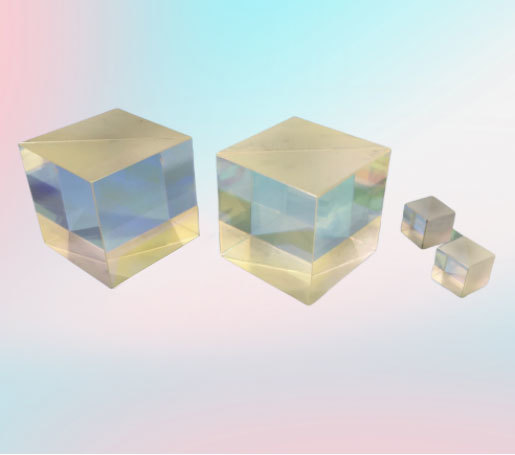
Comparing Polarized Optical Components with Traditional Options: A Deep Dive
outline: Comparing Polarized Optical Components with Traditional Options: A Deep Dive As technology advances, the demand for more efficient and effective optical components continues to grow. In this exploration, we will focus on **polarized optical components** and how they stack up against **traditional optical options**. Understanding the nuances between these two categories is crucial for industries
2026-04-21
Understanding Birefringent Crystals: The Key to Optical Applications in Electronics
outline: Birefringent crystals are materials that exhibit different refractive indices along different crystallographic axes, leading to the phenomenon known as birefringence. This characteristic allows these crystals to split incoming light into two distinct rays, each traveling at different speeds and in different directions. The difference in refractive indices can result in a variety of optical effects
2026-04-18
Top Trends in Polarizing Optics for Emerging Technologies
outline: Top Trends in Polarizing Optics for Emerging Technologies Polarizing optics is a pivotal component in a wide range of applications, from consumer electronics to advanced industrial systems. As we delve into the world of emerging technologies, understanding the latest trends in polarizing optics not only helps us stay ahead in the industry but also informs future innovations. This article explores
2026-04-15